Vox challenges the democracy Spain built after Franco
Spain built its democracy after Franco. Now Vox could enter government with proposals threatening rights Spaniards fought hard to secure.


SPAIN – On December 6, 1978, Spaniards voted in a referendum on a new constitution. It enshrined freedom, equality and political pluralism, as La Moncloa, the Spanish prime minister’s office, explains in its constitutional history. After Francisco Franco’s dictatorship, state power would be constrained by individual rights and democratic institutions.
The transition rested on political compromise and a popular desire for freedom. For those who had fought the dictatorship, the constitution marked a milestone. In 1986, Spain joined the European Community, according to the European Commission’s account of Spanish membership. The country entered a partnership built around democracy and shared institutions.

I see this as one of Europe’s important democratic transformations. Spain built a liberal democracy and established its place in European cooperation. In my assessment, the country’s international standing owes much to that transformation.
Now Vox, led by Santiago Abascal, could gain influence over how that democracy functions. A 40dB poll reported by El País on October 5, 2026, puts the party at 18.4 per cent. The conservative Partido Popular, or PP, stands at 31.6 per cent. Together, they reach 50 per cent. Their prospects of forming a government depend on the distribution of parliamentary seats and the agreements they reach.

My question is whether Spaniards are ready to give the far right the power to change the rights secured through their democratic transformation. Or will voters give a majority to parties prepared to defend the rule of law, equal dignity and the freedom to disagree?
Democratic participation and authoritarian proposals
Vox seeks power through elections and parliament. A study published in the International Journal of Constitutional Law in 2022 places the party within the modern radical right. The concern is how it would exercise power. In my assessment, Vox draws on racist and authoritarian currents when it portrays immigrants as a collective threat and seeks to exclude political opponents from democratic life.

This emerges clearly in the party’s own parliamentary initiative of February 3, 2026. Vox claims that the government is using immigration and citizenship to alter the electorate. It presents this as a planned replacement of the population. The claim of an orchestrated replacement is Vox’s political interpretation.
Such a narrative turns people into instruments of an alleged plot against the nation. It divides them into those portrayed as the country’s rightful population and those portrayed as a threat. In my view, this gives xenophobia a political justification.
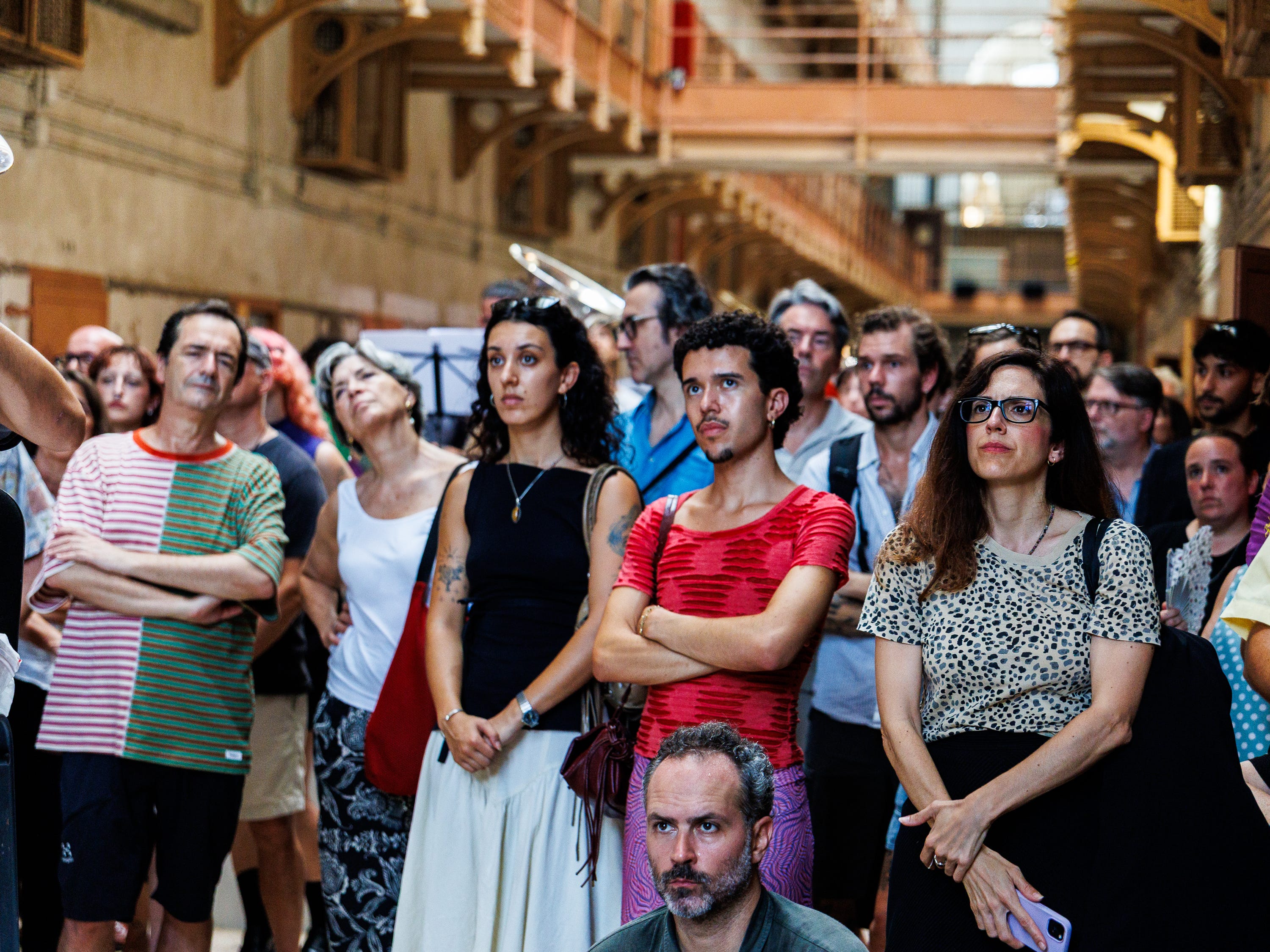
The housing problems underlying this debate are real. Figures published on September 7, 2026, by Spain’s statistics agency, INE, show that house prices rose by 12.2 per cent between the second quarter of 2025 and the same period in 2026. Voters have good reason to demand solutions. Politicians also have a responsibility to substantiate the explanations they offer.
Making legal residence conditional on integration
Page 43 of Vox’s national economic and housing programme, published in 2025, promises “Remigración / Deportaciones masivas” — remigration and mass deportations. Expulsion would also extend to lawful residents who “choose not to integrate”.
This is a far-reaching proposal. An assessment of integration could determine someone’s right to remain in the country. Such decisions require clear criteria and an opportunity for individuals to defend their position. Legal safeguards become particularly important when cultural identity could affect the outcome.

Vox also wants to change the rights of those who remain. In a proposal published by the party on March 19, 2026, it demands priority for Spanish nationals in healthcare, with an exception for life-threatening emergencies. Lawful immigrants’ access to different health services would depend on how many years they had contributed to the social security system.
This raises a fundamental question about equal treatment. A liberal democracy needs rules governing immigration and residence. It also needs safeguards for individuals when the state seeks to restrict their rights. Article 19 of the EU Charter of Fundamental Rights prohibits collective expulsions and protects people against removal to countries where they face torture or inhuman treatment.
Banning political opponents
In a parliamentary initiative published on November 8, 2023, Vox proposed banning parties whose statutes, programmes or statements advocate the secession of parts of Spain. Jorge Campos, a Vox member of parliament, repeated that demand on May 19, 2026, according to the party’s account of his parliamentary intervention.
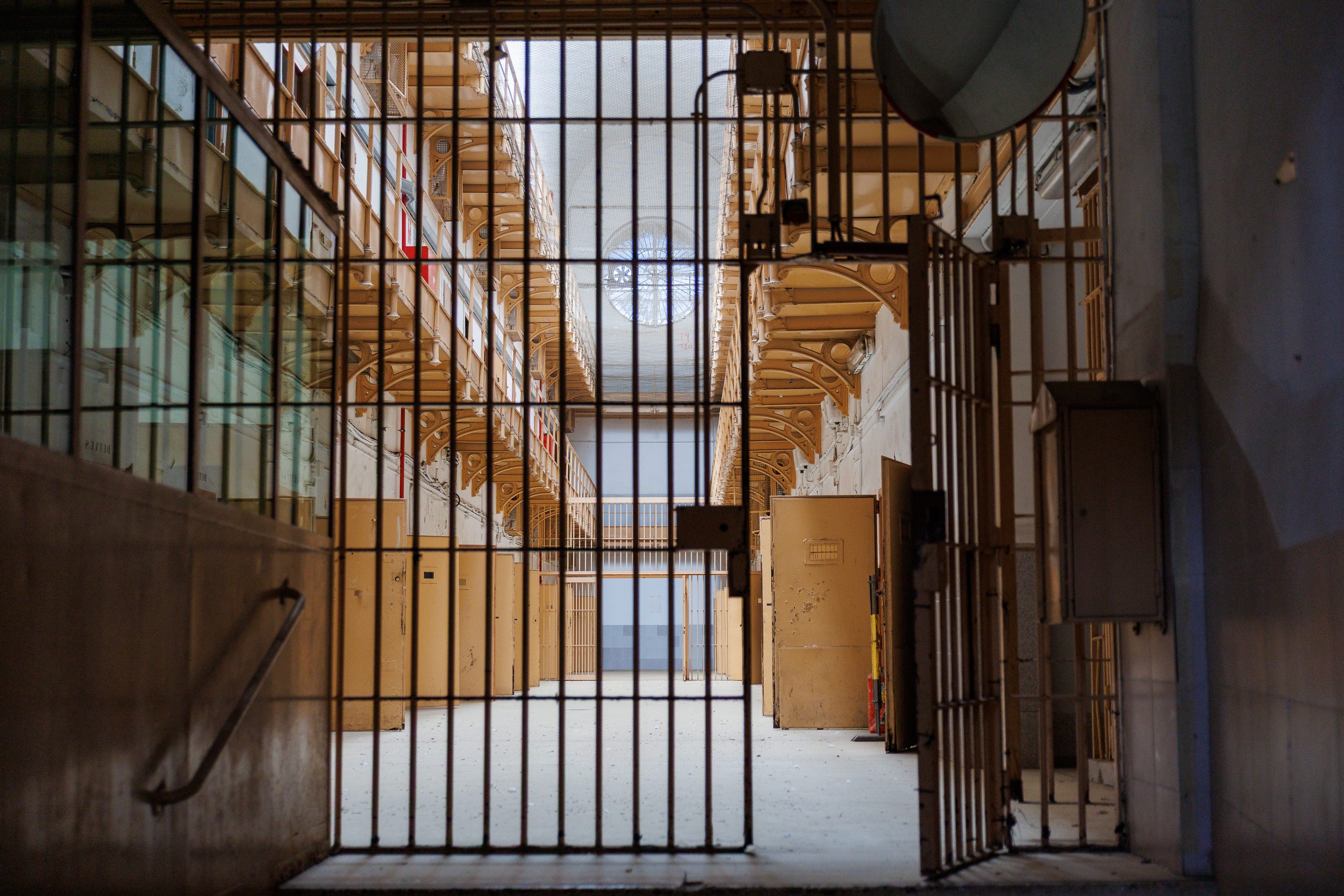
Such a ban would also cover peaceful political campaigning for independence. It would give the state the power to remove democratic competitors because of their political objectives. Here, the tension between Vox’s participation in parliament and its authoritarian proposals becomes particularly clear.
The same November 2023 proposal would also allow naturalised Spaniards to be stripped of their citizenship as punishment for acts threatening the country’s existence. It distinguishes between citizens according to how they acquired their nationality.
This hierarchy of belonging sits in sharp tension with democracy’s promise of equal dignity. It also leads into the dispute over which groups should receive specific legal protection.
Rights and historical memory
In its 2026 election programme for Andalusia, Vox proposes replacing gender legislation with a framework covering domestic violence. The women’s institute would become an institute for families and women. The party continues to promise support for victims of violence. It also seeks to replace the region’s specific LGBT legislation, which it describes as indoctrination. These are regional pledges.
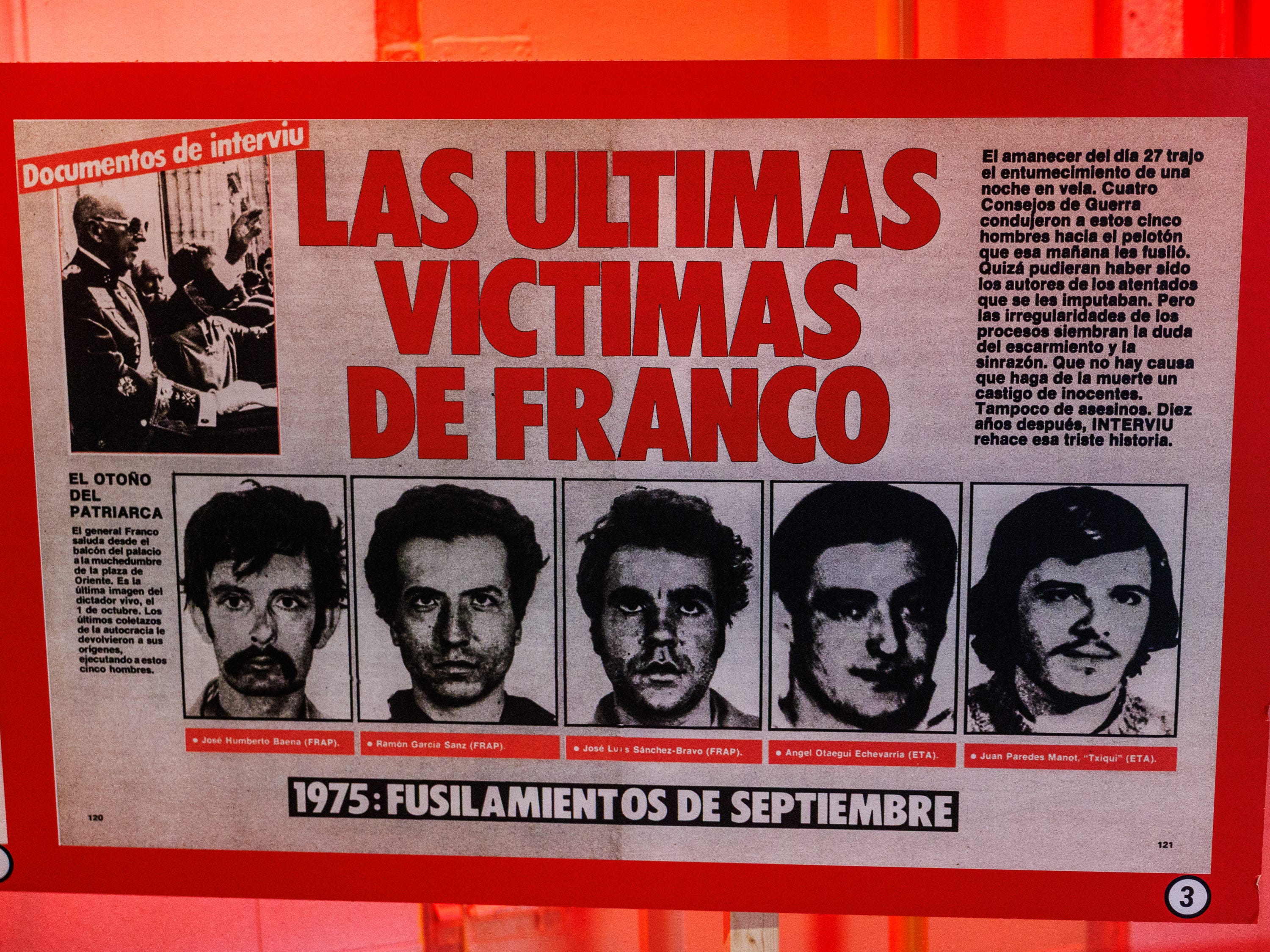
The same programme proposes replacing the law on historical and democratic memory and protecting historical objects affected by remembrance laws. Vox wants to safeguard the freedom to honour those who fought for different visions of Spain. That broad wording also leaves room for honouring supporters of the dictatorship.
For me, this connection with the past makes the political struggle particularly serious. Spain built its democracy by expanding freedom and protecting political pluralism. Vox seeks to change several of the arrangements designed to uphold those protections.
Weakening the EU’s democratic safeguards
During the 2024 European election campaign, Vox proposed repealing or amending Article 7 of the Treaty on European Union. The party set out the demand in an official policy statement published on June 3, 2024. It portrays the provision as interference by Brussels in member states’ political decisions.
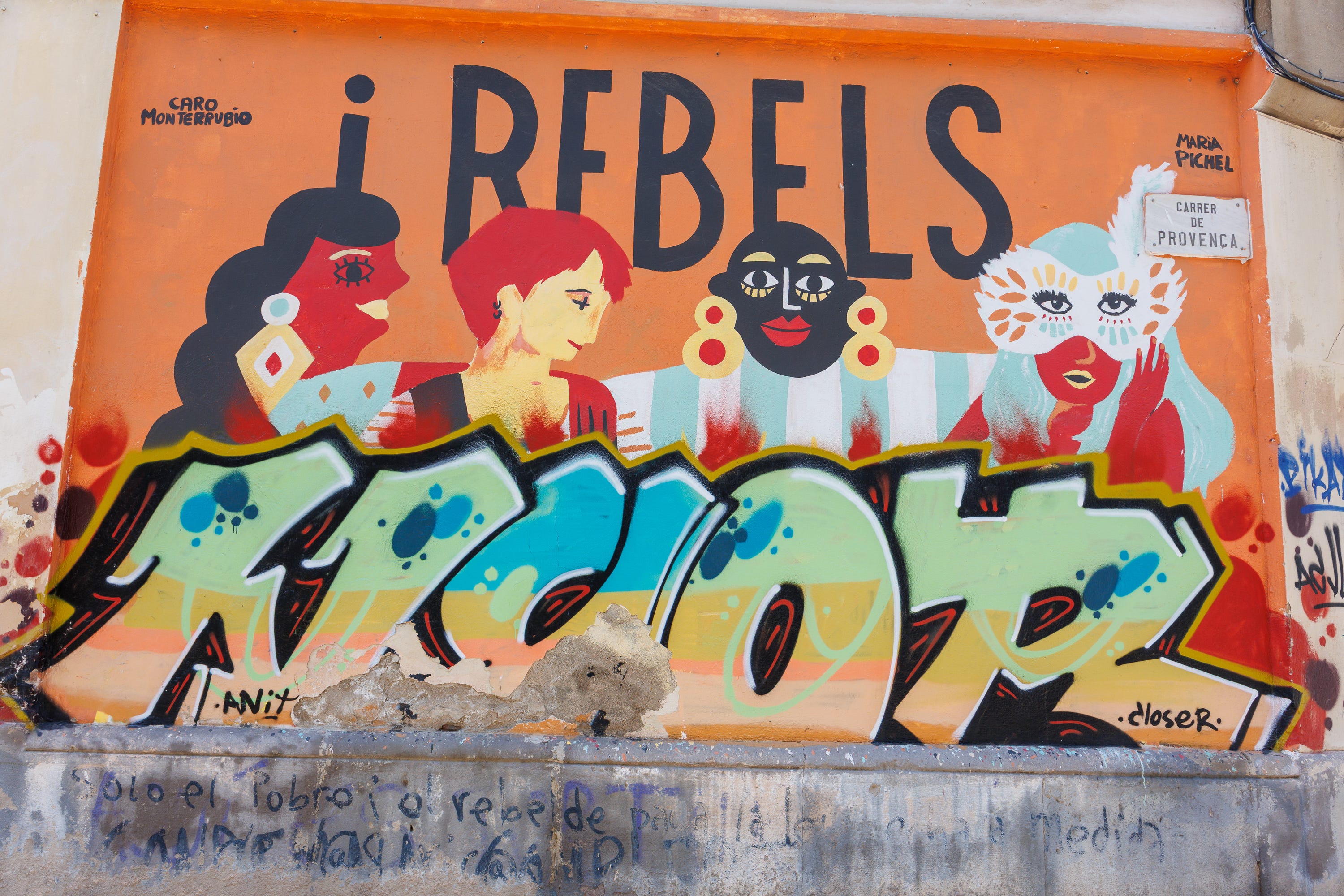
The Council of the EU, in its explanation of Article 7, describes the provision as a safeguard for democracy, the rule of law and human rights. Where violations are serious and persistent, the EU can suspend certain membership rights, including voting rights in the Council.
To me, this is a clear sign that Vox wants to take Spain in an anti-democratic direction. The party seeks to ban political opponents and weaken a European safeguard against abuses of state power. PP’s willingness to accept Vox’s demands therefore has implications for the protection of democracy itself.
PP must decide which demands to accept
On page 39 of its 2025 national economic and housing programme, Vox describes abolishing regional autonomy as its ultimate goal. Transfers to regional and local authorities would first be reduced to the minimum permitted by the constitution. The programme also calls for Spain to withdraw from the Paris Agreement and the EU’s Green Deal.
Abolishing regional autonomy would affect a constitutionally protected part of Spain’s democratic order. Under Article 168 of Spain’s Constitution, such a change requires a two-thirds majority in both parliamentary chambers, a general election, fresh approval by two-thirds majorities and a referendum. An ordinary governing majority would therefore represent only the first hurdle.
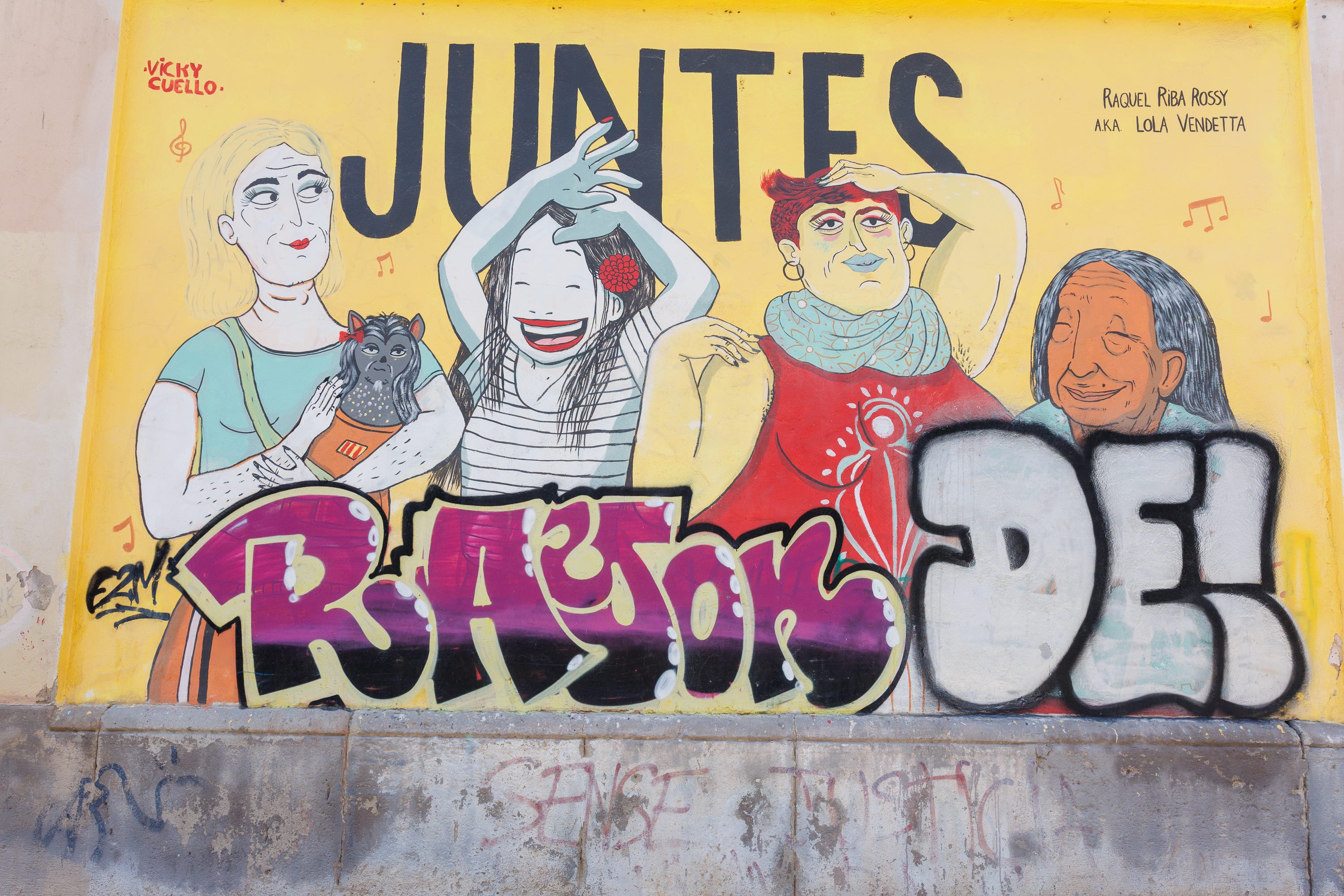
After the 2023 election, Pedro Sánchez secured the support of 179 of parliament’s 350 members to form a government. The result appears in the Congress of Deputies’ official record of November 16, 2023. His majority brought together socialists, the left and regional parties. That parliamentary alliance demonstrated how political pluralism could provide the basis for a government.
At the next election, voters will decide which parties get to negotiate for power. PP will then have to choose which of Vox’s demands it is prepared to accept. The price of taking office could be giving a party that seeks to ban political opponents influence over who gets to participate in democracy.
Discussion about this post