Trump and Musk Are on the Wrong Side of the War in Europe
Russian missiles strike Kyiv as Ukraine faces U.S. threats to cut intelligence sharing and new restrictions on military satellite communications.

Russian missiles struck Kyiv, Ukraine’s capital, overnight on October 14. Ukrainian President Volodymyr Zelenskyy said advance warnings from his country’s partners had failed to arrive for the second time that week. An apartment building caught fire, residents were evacuated, and one of the capital’s main power plants was hit. Earlier warnings could have given people more time to reach shelter.
Trump Protects Russian Oil Interests
The administration of U.S. President Donald Trump has threatened to cut intelligence sharing and weapons supplies unless Ukraine stops attacking Russian oil refineries, according to the Financial Times. Meanwhile, Trump has announced a deal to buy Russian diesel. He blames Ukrainian strikes for pushing up American fuel prices and is using Kyiv’s dependence on U.S. support to pressure Ukraine.
This policy puts American fuel prices ahead of Ukraine’s defense and Europe’s security. It helps Russian President Vladimir Putin shield an industry that finances his war while threatening to deprive the country he is attacking of vital support. Ukraine’s ability to strike its aggressor’s economy is being subordinated to the price Americans pay at the pump.
Musk’s Company Weakens Ukraine’s Defense
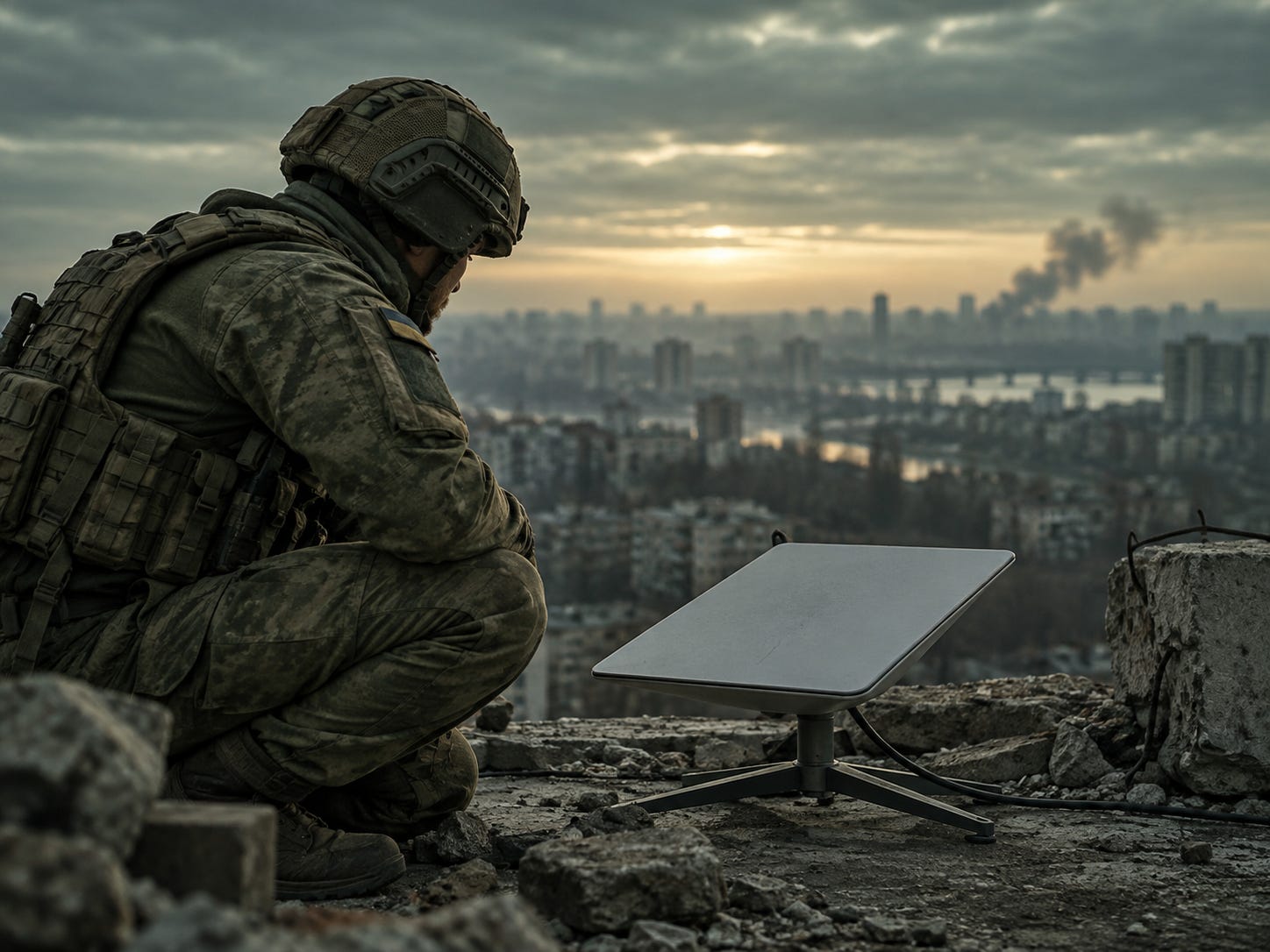
Serhiy Beskrestnov, an adviser to Ukrainian President Volodymyr Zelenskyy, said SpaceX, Elon Musk’s company, introduced an unannounced restriction on certain military Starlink services. Starlink provides internet connections through satellites. The limit concerns the speed of the drone or vehicle carrying the Starlink antenna. According to Beskrestnov, the service stops working when that equipment travels faster than roughly 100 miles per hour, or 160 kilometers per hour. Who authorized the change, and why, remain unclear.
Ukrainian troops use Starlink to communicate and control drones targeting Russian forces. Connection failures have made drones harder to control and forced Ukrainian units to cancel missions. By restricting that connection, Musk’s company weakens Ukraine’s ability to fight back and gives Russian forces an advantage on the battlefield.
Lifesaving Intelligence Becomes a Bargaining Chip
Trump and Ukrainian Foreign Minister Andrii Sybiha confirm that intelligence cooperation continues. Cooperation can continue while crucial information is withheld. With U.S. threats to cut intelligence sharing followed by Zelenskyy’s reports of missing missile warnings, the question is what information Kyiv actually receives. In my assessment, Washington is withholding lifesaving information to pressure Ukraine into sparing Russia’s oil industry. That pressure harms the country defending itself and benefits the aggressor.
The European countries should prioritize their own satellite communications, intelligence and warning systems. Ukrainian troops need reliable connections, and civilians need alerts while there is still time to reach shelter. European investment must provide backup connections when one service fails and greater control over the information our armed forces depend on.
Discussion about this post