Systematic to Map Denmark’s Emergencies
Systematic’s military-grade software will give emergency commanders one live view of crises, resources and response times when disasters strike together.

Denmark’s Emergency Management Agency (Beredskabsstyrelsen) has signed a contract with Danish software company Systematic to build a national system for coordinating emergency response resources. The agreement was announced on October 26, 2026, and a first version is expected in January 2027.
The system will be based on the company’s Rezilient platform and will form the core of Redningsberedskabets Nationale Situationsbillede, a shared national emergency situation picture. It is meant to speed up decisions when major incidents strain several emergency services at once.
One map of incidents and resources
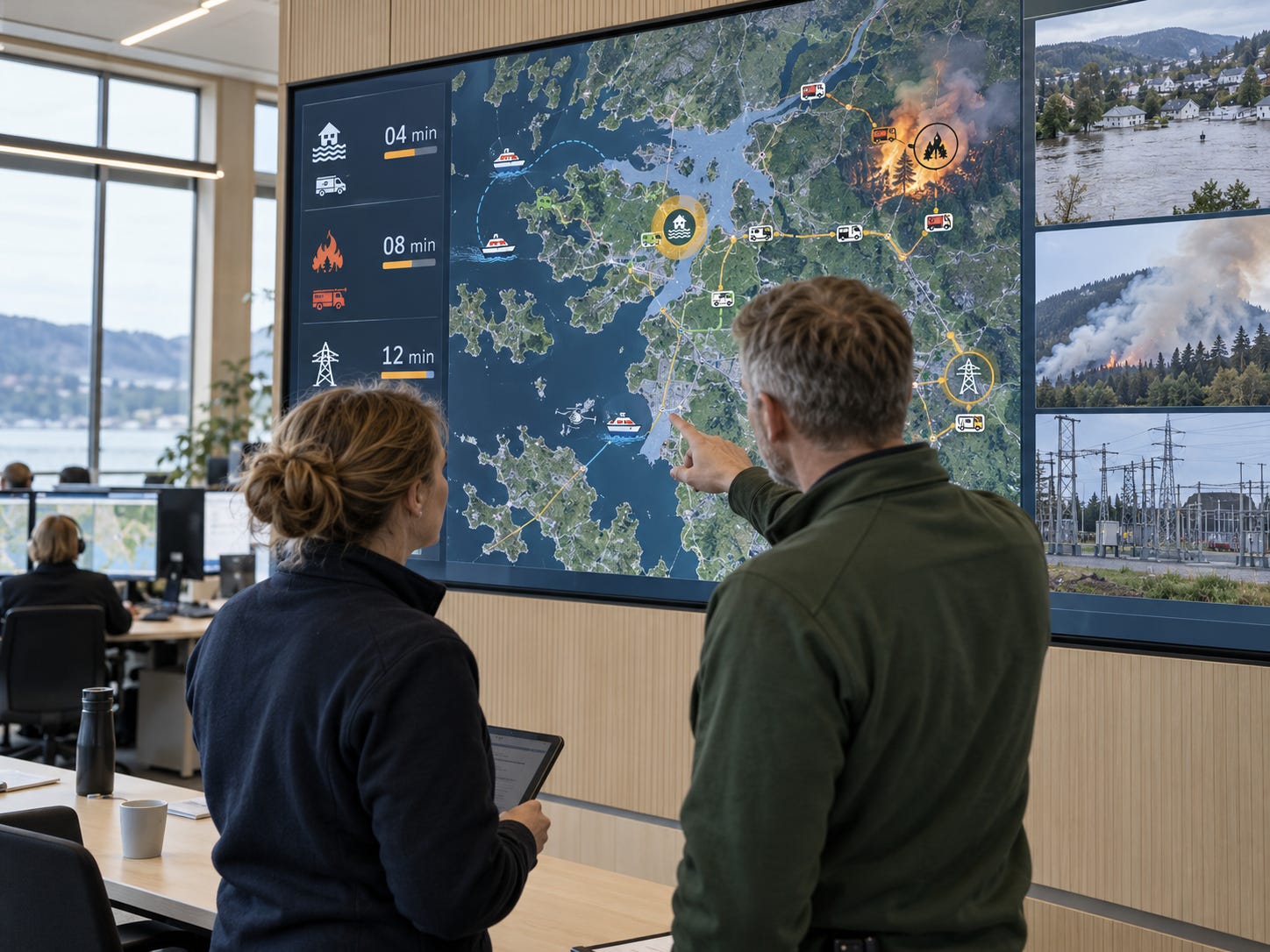
Today, commanders rely on information from separate organizations when they decide where to send personnel, vehicles and equipment. The new system will gather this on a continuously updated digital map showing where incidents are happening, which resources are already committed and which are still available. Commanders will also be able to estimate how long it takes to move extra resources into an affected area.
According to Systematic, the platform can integrate drone imagery, camera feeds and weather data. That could matter most during simultaneous floods, large fires or other incidents that require several services to work together.
Answering hybrid threats
Kenneth Pedersen, director of Beredskabsstyrelsen, tied the deal to Denmark’s tougher security situation. In Systematic’s announcement, he said the risk of hybrid incidents is growing and that national authorities need better tools to coordinate emergency capabilities.
He also underlined a limit: the system will collect and display operational information, but it will not change the existing division of responsibility between emergency organizations. The aim is better coordination, not a new central command authority.
Systematic says the agency will keep full ownership of its data and system configurations, which Beredskabsstyrelsen considers important for Denmark’s digital sovereignty.
From the battlefield to civil preparedness
Rezilient builds on SitaWare, Systematic’s military command-and-control software, which the company says is used by NATO and more than 50 countries. It has also been used in civilian crises such as forest fires, floods and major public health emergencies.
Nikolaj Bramsen, chief executive of Systematic, said emergency commanders face the same challenge as military officers: making fast decisions with incomplete information while conditions change. The company sees Rezilienteventually supporting cooperation between emergency authorities, public agencies and operators of critical infrastructure.
Discussion about this post