Sweden Hires Four Sea Drones to Watch Baltic Shipping
Sweden is buying continuous Baltic surveillance from a private operator, using four sea drones under a Nordic defense cooperation agreement.

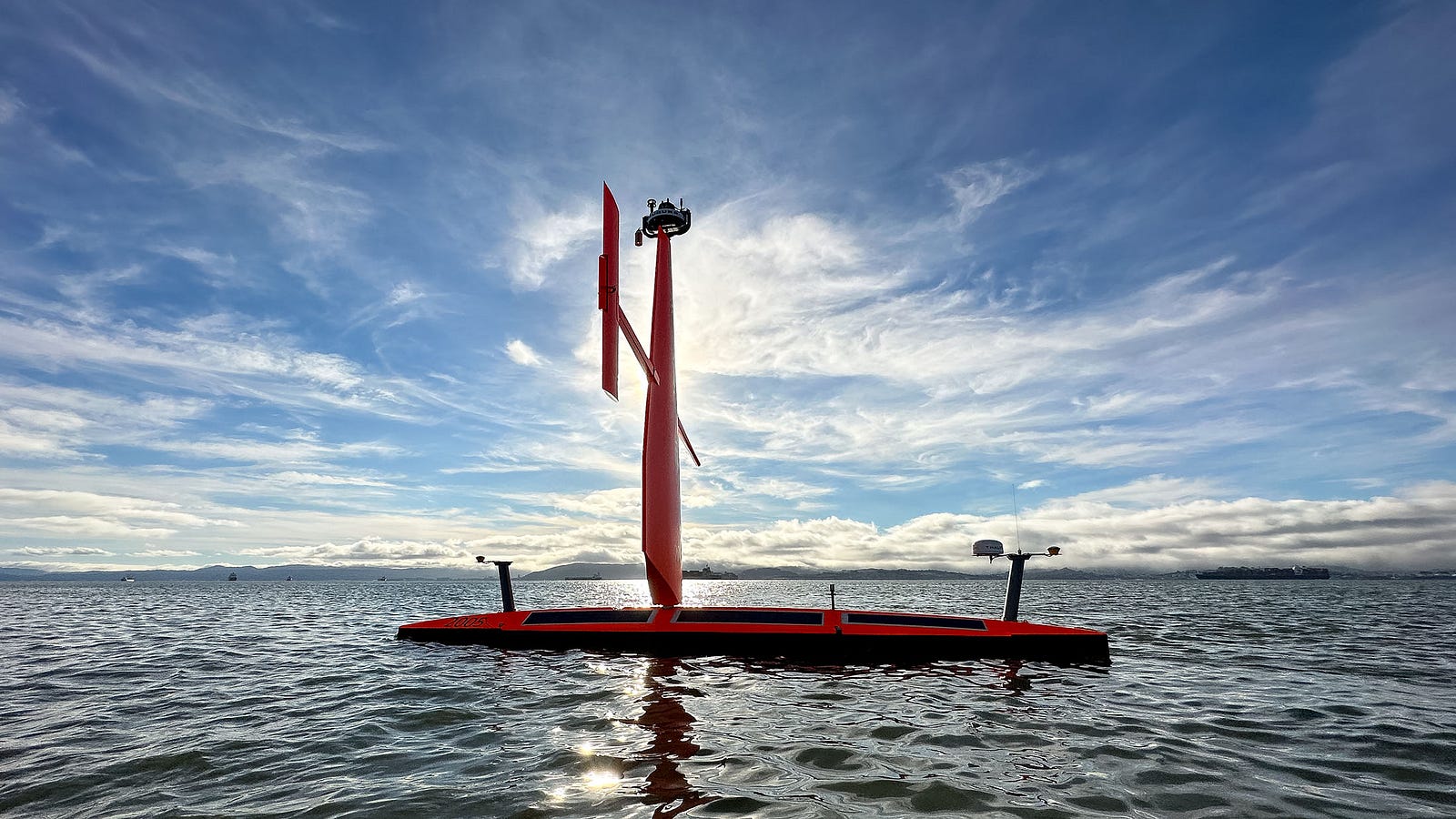
Sweden’s Defence Materiel Administration (FMV) announced details on October 22 of a one-year agreement with Saildrone, a US maritime technology company, to strengthen surveillance of shipping in the Baltic Sea.
Four Saildrone Voyager vessels have been supporting the Swedish Navy since October 2026. The agreement allows Sweden to add further vessels and creates a framework through which other Nordic countries can purchase similar services.
The division of responsibilities is straightforward: the Swedish Navy assigns the missions, Saildrone operates and monitors the vessels, and the navy receives the information they collect around the clock.
Checking what ships report
The ten-meter drones carry cameras, radar and other sensors. These allow the navy to compare observations of a ship with the identity and position it broadcasts through the Automatic Identification System (AIS).
That comparison matters because electronic shipping information needs verification. A radar observation can establish where a vessel is, while imagery can help identify it. Together, those observations give authorities a stronger basis for investigating discrepancies.
Such discrepancies require careful interpretation. Sweden’s maritime administration has issued a current warning about interference affecting navigation and surveillance systems across large parts of the Baltic Sea. Establishing whether an anomaly comes from interference, equipment failure or deliberate manipulation requires further evidence.
For the navy, the purpose is sustained awareness of activity at sea. Keeping track of ships near important infrastructure can help authorities recognize unusual behavior and decide where to direct further surveillance or an operational response.
Protecting the infrastructure beneath the shipping lanes
The service contributes to Task Force X Baltic, NATO’s initiative to accelerate the use of autonomous surveillance systems in the region.
That initiative supports Baltic Sentry, the alliance’s enhanced military presence established to strengthen protection of critical underwater infrastructure following cable damage in 2024 and 2025.
The Swedish drones add observations from the sea surface to that effort. Their contribution is a clearer picture of vessel movements around infrastructure on which communications, energy supplies and everyday economic activity depend.
The agreement was developed through Nordic Defence Cooperation (NORDEFCO), which brings together Denmark, Finland, Iceland, Norway and Sweden. Its purchasing framework gives neighboring countries a route to acquiring the same type of service according to their own needs.
Military missions, commercial operation
Sweden is paying for sustained information gathering, with the supplier providing the vessels and their operation.
That makes the contract central to assessing the purchase. Its provisions determine the required availability, responsibility for interruptions, access to collected information and continuity of service during crisis and war.
FMV’s announcement establishes the initial fleet, duration and operating model. A fuller assessment of the agreement requires its total price, data rights and security provisions—particularly how Sweden can maintain access to the service when pressure on Baltic infrastructure increases.
Discussion about this post