Sweden Funds Drones to Identify Saboteurs
Sweden has opened a competition for autonomous maritime drones designed to document suspicious activity and help investigators identify who damages the Baltic Sea’s underwater cables.

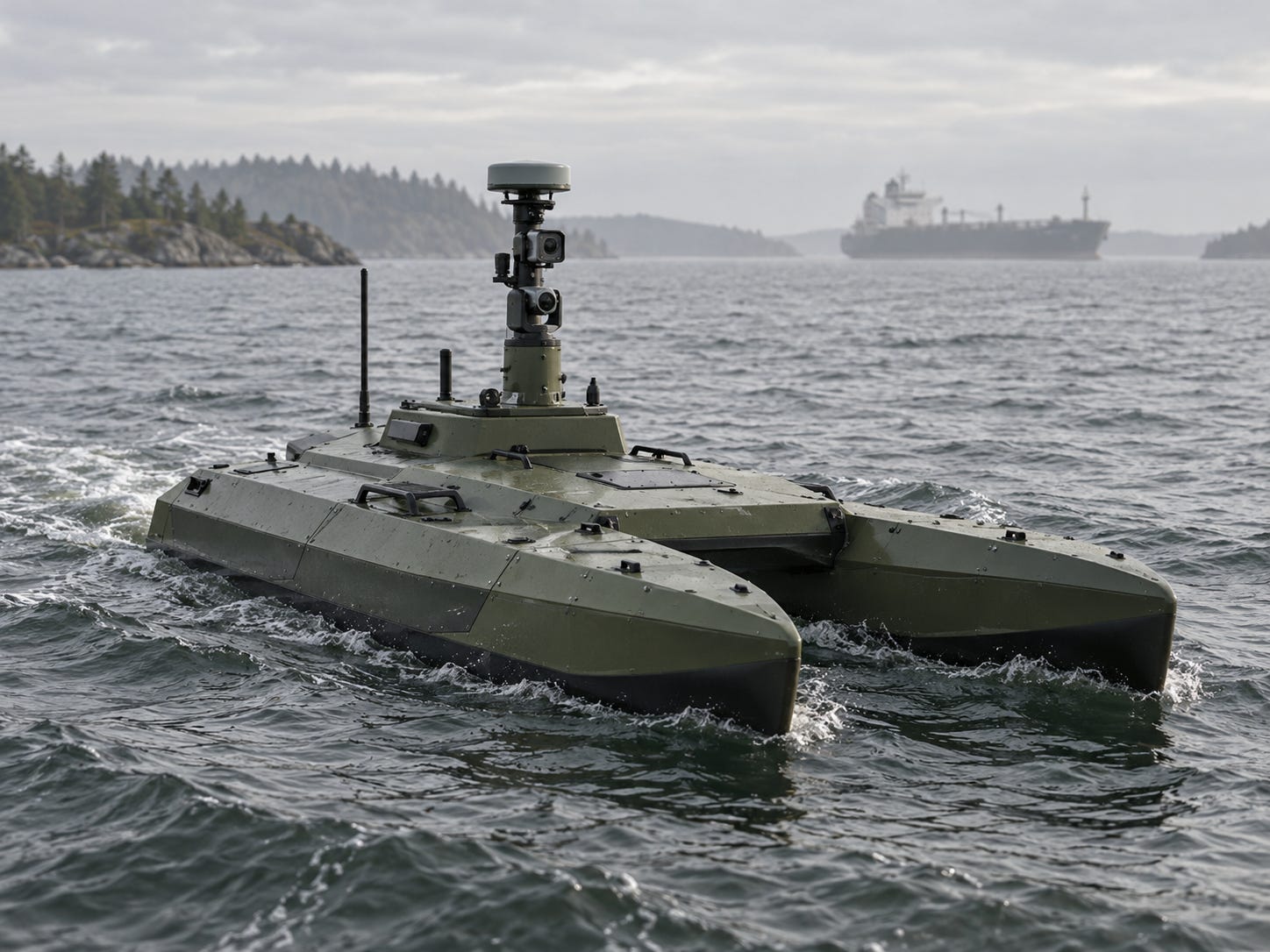
STOCKHOLM: Sweden’s innovation agency Vinnova opened a technology competition on 8 October to develop autonomous maritime surveillance systems that can detect anchor dragging, track suspicious activity and preserve evidence around underwater infrastructure.
Under the Baltic Marine Watchdog Challenge, each team can receive up to €520,000 across two development stages. Demonstrations are scheduled for 2027. The funding covers development and testing, with no date announced for routine deployment.
Recording what happens as it happens
The evidence requirements are central to the competition. Systems must record suspicious activity with timestamps and location data, then securely transmit or store that information for subsequent analysis.
The records should help authorities reconstruct events and, where the evidence supports it, establish responsibility. Vinnova says difficulties in attributing suspicious activity place pressure on authorities and companies responsible for protecting underwater infrastructure.
The agency identifies a gap in affordable, scalable autonomous civilian surveillance systems. Its competition seeks to combine detection, tracking and documentation in systems capable of operating independently.
Surveillance must support enforcement
NATO strengthened its military presence in the Baltic Sea when it launched Baltic Sentry in January 2025. The initiative includes frigates, maritime patrol aircraft and naval drones intended to protect critical underwater infrastructure.
At the launch, NATO Secretary General Mark Rutte stressed that national authorities remain responsible for law enforcement. The alliance’s role is to detect and deter threats, while national authorities can board vessels, impound ships and make arrests. Surveillance records can therefore become important when authorities follow up a suspected incident.
Tracking unknown targets
Vinnova requires systems that can operate in darkness, fog and dense shipping traffic, including when satellite navigation is disrupted. Human operators must retain the ability to override them.
Applications close on 2 December. In the first development stage, teams must demonstrate that their systems can follow a known surface target and document simulated suspicious activity.
The final demonstration, planned for November 2027, will be more demanding. Systems must detect and track unknown, unannounced targets above or below the surface, recording suspicious activity as it unfolds.
Discussion about this post