Russian Discontent in 2026
Russian discontent is growing in 2026 as frustration over the war, the economy and internet restrictions spreads. Criticism is now coming from influencers, Z-bloggers, young Russians and figures insid

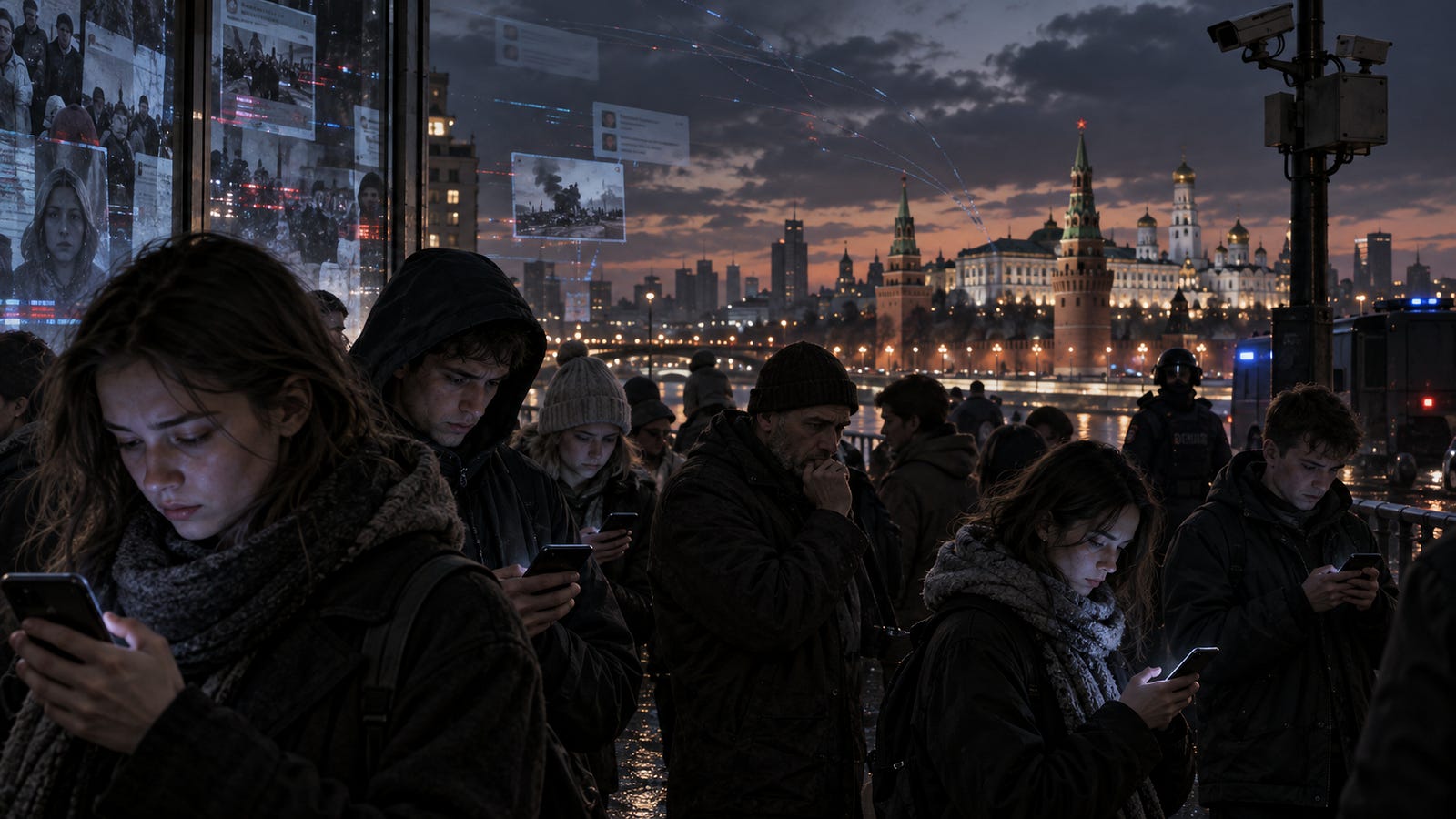
During 2026, the public mood in Russia has noticeably soured. What was previously a tacit acceptance of the war in exchange for stability has been replaced by irritation, disappointment and open criticism – from ordinary citizens, voices within the system and Russians in exile. Internet restrictions, economic problems and the absence of victories have broken the “social contract” Putin built. The criticism is coming not only from the traditional opposition, but also from unexpected quarters: beauty influencers, Z-bloggers, deputies and young people on TikTok.
The Shift in Mood
Putin’s approval rating has fallen to its lowest levels since the mobilisation in 2022. Official polls show figures of around 65–70 percent, while independent surveys indicate even stronger dissatisfaction with the direction of the country. Many Russians now feel that they agreed to “ignore the war” in exchange for being left alone – only to be hit by internet shutdowns, higher prices, taxes and increased control.
Victoria Bonya, a popular model and influencer living in Monaco, became a symbol of this shift when she addressed Putin directly in a viral video in the spring of 2026: “There is a lot you don’t know.” She listed internet problems, bureaucratic fear and everyday difficulties, and said that people should not be afraid of their own president. Similar frustration has emerged from previously loyal voices – Z-bloggers declaring that “the system has failed,” Communist deputies warning of a social explosion, and even parts of the business elite.
Telegram: The Serious Arena
Telegram remains the most important platform for political information and criticism, even after the restrictions introduced in 2026. Independent channels such as Meduza – LIVE, Nevzorov and Re provide analysis, leaks and documentation. Here, sharp sarcasm sits alongside sober reporting on declining trust, repression and the costs of the war. Opposition channels are closely connected to one another and function as a network for alternative information.
Pro-regime and Z-channels still have greater reach among many people, but criticism has increased there as well – often directed at military leadership, supplies or internet shutdowns, while Putin personally remains more shielded.
TikTok: Youth Memes and Symbolism
On TikTok, the criticism is more indirect, humorous and viral. Gen Z uses memes, dances and AI-generated clips. During the Duma election, support for the anti-war party Yabloko became a phenomenon: apple symbolism, songs and reels from major influencers such as Danja Milokhin spread rapidly. After the party was removed from the party list, the disappointment became visible through sarcasm and calls for a “plan B.”
TikTok reaches young people who rarely follow political Telegram channels, making dissatisfaction more cultural and emotional. The parties are trying to follow with their own youth accounts, but organic criticism is harder to control.
The Yabloko Election as a Case Study
Yabloko became the biggest political story of the summer precisely because it demonstrated both the possibilities and the limits of legal protest. The party was initially approved with the slogan “For Peace and Freedom,” experienced explosive growth in membership and followers, and was then quickly removed by the Supreme Court. Individual candidates remained on the ballot in districts and achieved respectable results (several above 10 percent in Moscow), and the party managed to enter the parliament of the Novgorod region.
Meduza documented this thoroughly: interviews with party leaders, figures on new members (8,000 applications in two weeks), Telegram growth and reports of irregularities. The coverage showed how a small party suddenly became a vehicle for a broader anti-war mood – and how quickly the Kremlin responded.
Meduza and Independent Journalism
Meduza stands as an example of how independent media in exile operate in 2026. Its reporting is fact-based, often drawing on internal sources, and connects individual events to the broader trend: a regime increasingly governed by fear rather than confidence. Its Telegram channel is central to rapid distribution, while its longer articles provide depth.
What Does It Mean?
Criticism of the regime and Putin is no longer confined to a small liberal core. It is coming from different parts of society – from influencers in Monaco to soldiers, from TikTok teenagers to bloggers inside the system. The platforms shape how it is expressed: Telegram provides analysis and organisation, while TikTok provides virality and symbolism.
The regime retains control through repression, electoral manipulation and information measures. But 2026 has shown that the old contract is under pressure. When even loyal voices begin complaining that “the president doesn’t know,” and young people dance for peace under apple symbols, it is a sign that something has shifted. Whether this leads to real change is uncertain. What is clear is that the silence is no longer as complete.
Stand with the Russian people
It is important that we stand with all the positive forces in Russia who are resisting an undemocratic and repressive regime, so that criticism is not directed at the Russian people themselves — people who simply want to live in peace and see an end to this senseless war, which has already devastated an entire generation of young Russians.
Discussion about this post