Russia News: Reserves Lake Waters for Military Use and Plans Northern Industrial Expansion
Russia has allocated lake waters to its military as northern regions announce industrial investments and residents face public service disruptions.

The New Backyard | Russia’s Nordic Border | October 25, 2026
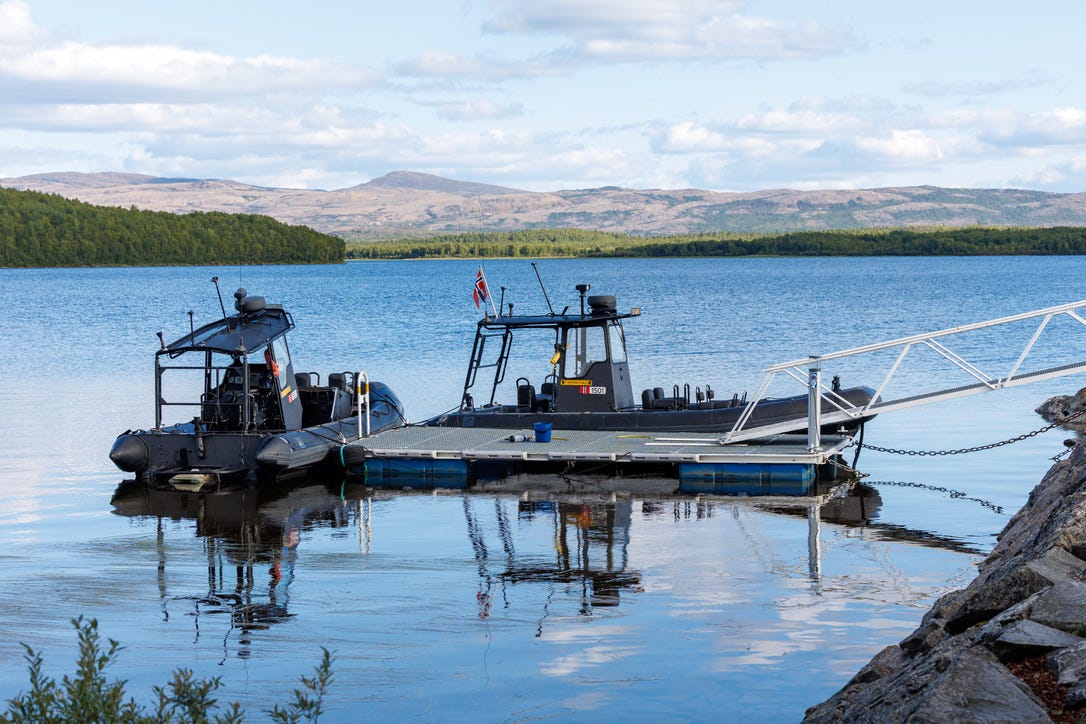
Russia’s government has granted the Defense Ministry exclusive use of a section of Lake Onega for 20 years. The decision was published on October 24.
Regional outlet Petrozavodsk Govorit reported that the designated waters would be reserved for defense and state security. Fishing, fish farming and recreation would be prohibited within the allocated area.
The conditions also impose environmental obligations on the military. These include collecting and disposing of wastewater and waste.
Lake Onega lies mainly in Karelia, a Russian republic bordering Finland. Parts of the lake extend into the Leningrad and Vologda regions.
Investment Targets Mineral Production
Farther north, the Murmansk region, which borders Norway and Finland, is pursuing increased mineral production.
Regional news agency Bi-Port reported on October 23 that approximately 1 billion Russian rubles would support modernization at the Lovozero mining complex during 2026.
Deputy governor Svetlana Panfilova presented the plans at an industrial forum in St. Petersburg. The wider modernization program could exceed 7 billion rubles.
The project aims to raise annual concentrate production from 6,300 to 11,020 metric tons. Equipment upgrades cover mining machinery, ventilation, pumping and processing facilities.
Lovozero became part of Rosatom, Russia’s state nuclear corporation, in 2023. Its concentrate feeds a wider production chain for rare and rare-earth metals.
In the Leningrad region, governor Alexander Drozdenko reported talks with federal officials on roads, utility networks and industrial exports. The discussions included freight wagons manufactured in Tikhvin.
Better Connections for a Remote Community
Telecommunications operator MTS says it has introduced fourth-generation mobile broadband in Rajakoski, near the Norwegian and Finnish borders.
SeverPost reported the announcement on October 23. The company says the service reaches more than 200 permanent residents and personnel working at the Paz hydropower cascade.
Researchers and visitors to the nearby Pasvik nature reserve are also among the intended users.
Regional authorities are planning additional support for medical workers in 2027. Health minister Dmitry Panychevannounced approximately 300 million rubles more than in 2026.
Existing measures include recruitment payments, accommodation and help with housing costs.
A separate proposal would reduce 2026 spending on forest protection and regeneration from 326.1 million to 297.4 million rubles. Funding for preventing and fighting landscape fires would fall from roughly 28.9 million to 19.7 million rubles.
Police Campus Plans Bring Residents Into Conflict
In St. Petersburg, police attended the Pulkovo-2 allotment settlement on October 24 ahead of planned demolition.
Local outlet Fontanka reported that clearance would begin on October 26. The site is intended for a university campus belonging to Russia’s Interior Ministry, which oversees the police.
Association chair Natalya Filonova said some families used buildings there as permanent homes. She alleged that access depended on signing police warnings about unauthorized gatherings.
The city’s property control committee disputed her account. Officials said the land belonged to the city and the association lacked recognized land-use rights.
The committee said it was identifying occupants needing assistance. Residents planned to challenge the clearance in court.
Water Failure Disrupts Homes and School
In Ropsha, in the Leningrad region, a pumping-station problem has interrupted water supplies since October 22.
An October 24 update from 47news said 123 residential buildings and several public facilities were affected.
Utility Lenoblvodokanal expected restoration from the evening of October 25, following sampling, laboratory analysis and reservoir cleaning.
The company said water deliveries had been arranged. Pupils at the local school began their autumn break a day early because of the disruption.
Discussion about this post