Russia Could Provoke NATO Into Action
Here I write about how Russian provocations could push NATO to act, what European leaders are saying, and why they fear both waiting too long and responding in ways that could lead to a conflict.

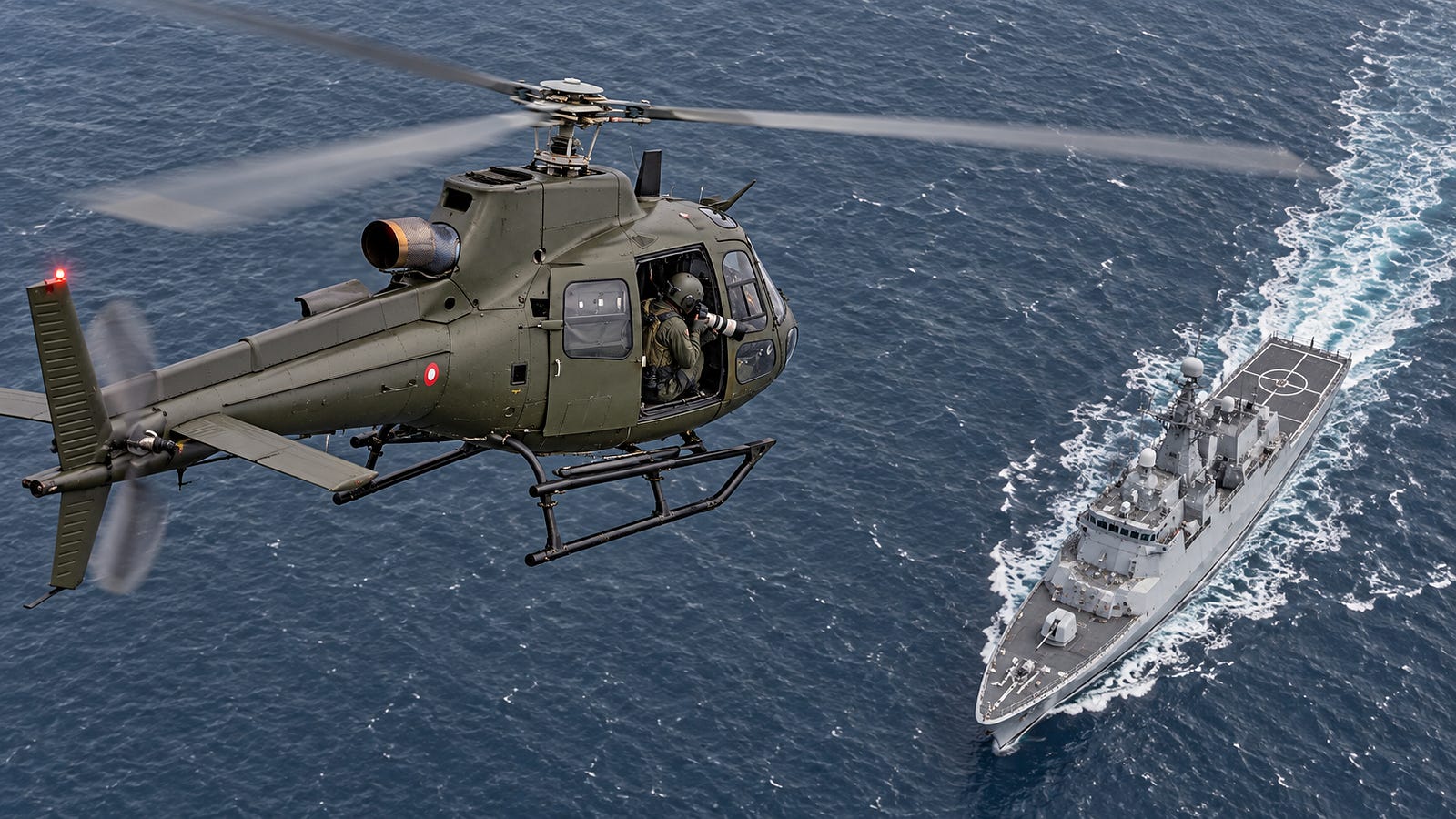
Russian airspace violations, drone incidents, and sabotage could push NATO to take stronger action. Admiral Giuseppe Cavo Dragone, who chairs NATO’s Military Committee, warned at a press conference in Copenhagen on Saturday, September 19, 2026, that Russia is testing the alliance’s resolve.
Speaking during a September 18–19 meeting of NATO defense chiefs, Cavo Dragone accused Russia of trying to undermine trust among member countries and divide the alliance. He said allied forces had already responded quickly and effectively to several incidents.
Several European leaders had issued warnings in the days before the meeting. Polish Prime Minister Donald Tusk fears attacks that Moscow would dismiss as accidents. Italian Prime Minister Giorgia Meloni believes Russia is trying to draw Europe into a wider confrontation.
Tusk Warns of Attacks Disguised as Accidents
Addressing parliament in Warsaw on September 17, Tusk cited intelligence assessments warning that Russia could launch drones and missiles against European countries supporting Ukraine.
Calling those attacks accidents could make NATO members hesitate to defend the country hit, he said. Tusk fears Moscow would use that hesitation to weaken confidence in the alliance’s promise of mutual defense.
That same day, Meloni met with Norwegian Prime Minister Jonas Gahr Støre in Oslo. At their joint press conference, she said Putin was seeking a confrontation with Europe to divert attention from the war in Ukraine.
She urged European leaders to consider who would benefit from an escalation before responding. In her view, reacting to Russia’s provocations could play into Moscow’s hands.
Russian Frigate Fired Flares Toward Danish Helicopter
On September 14, a Russian frigate fired two flares toward a Danish military helicopter off Gedser, according to Danish authorities. One passed close to the aircraft.
The helicopter was on a routine mission to photograph the ship in international waters. No one was injured.
Denmark summoned the Russian ambassador. Foreign Minister Lars Løkke Rasmussen accused Russia the following day of gradually pushing the limits of acceptable behavior. Prime Minister Mette Frederiksen called the incident reckless and said Russia was trying to intimidate and divide.
Russian Ambassador Vladimir Barbin rejected Denmark’s account and accused the helicopter pilots of acting provocatively.
Europe Seeks a Joint Response
European Commission President Ursula von der Leyen proposed a system on September 16 that would allow European countries to respond together to sabotage, cyberattacks, and other threats to their security.
Under the proposal, a member country could call the others together to agree on measures when an incident falls short of an armed attack. The aim would be to respond quickly and keep the situation from getting worse.
Two days later, French President Emmanuel Macron announced plans to strengthen protection for critical infrastructure and sensitive facilities, including defense industry sites. He cited a growing threat from Russian drones and cyberattacks.
No Automatic Military Response
Cavo Dragone did not announce any specific military retaliation in Copenhagen. He stressed that sabotage and other so-called hybrid attacks do not automatically trigger Article 5, NATO’s collective defense commitment.
He also emphasized the need to establish who is responsible for an attack and to keep the conflict from escalating as the alliance considers its response.
Putin Denies Aggressive Intentions
At a meeting in Moscow on September 18, Russian President Vladimir Putin said Russia had no aggressive intentions toward European countries.
He accused European leaders of using an alleged Russian threat to justify their policies.
Discussion about this post