Putin Call Triggers Nordic Dispute Over Ukraine Diplomacy
Denmark and Sweden questioned direct talks with Vladimir Putin, while Norway defended its initiative with Finland and Ukraine thanked both countries for their diplomatic efforts.

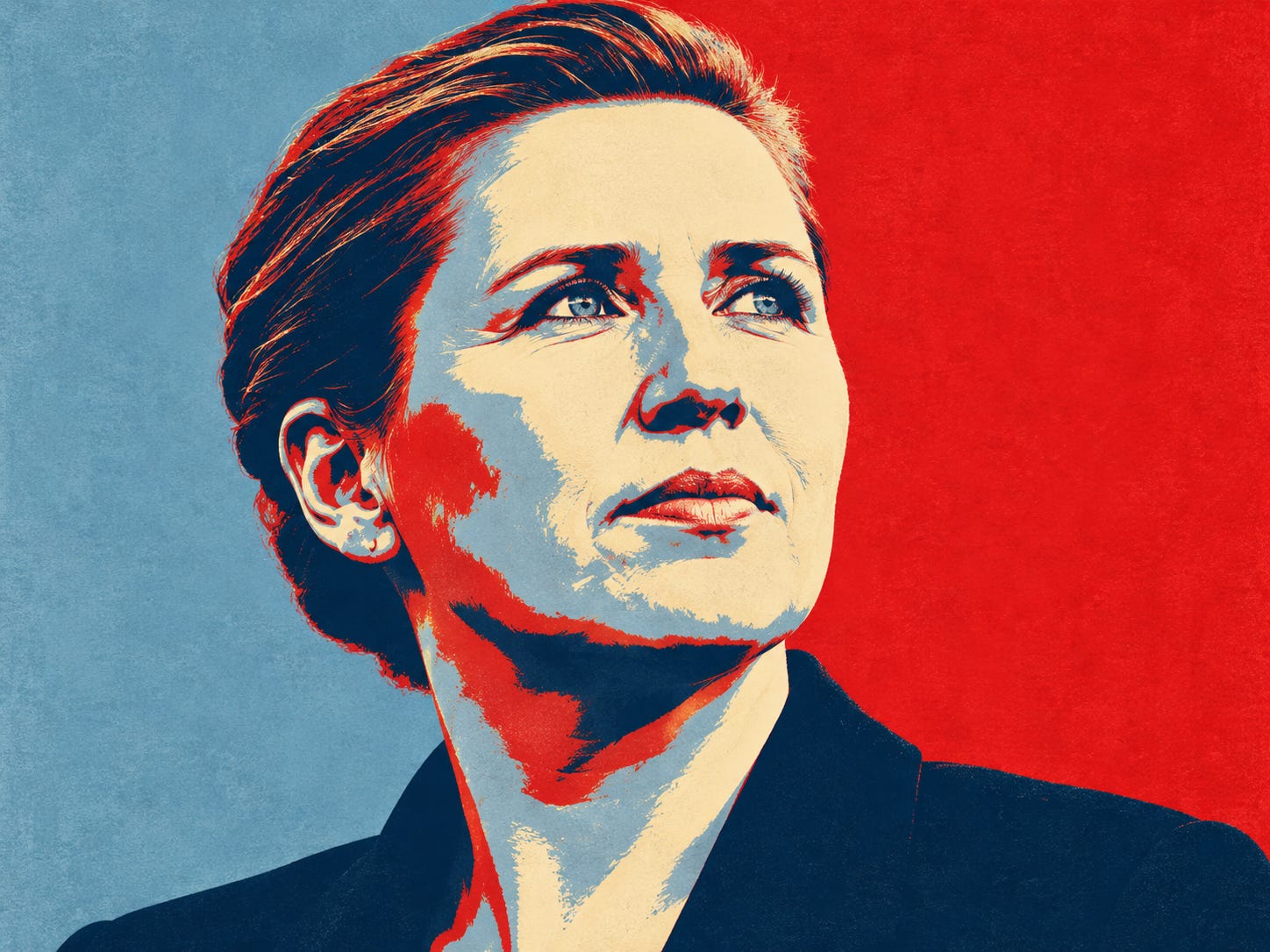
Danish Prime Minister Mette Frederiksen challenged Norway and Finland over European coordination on October 27, after their leaders called Russian President Vladimir Putin from Helsinki.
Speaking during the Nordic Council gathering, Frederiksen questioned what the initiative could achieve. She told Danish broadcaster TV 2 that it had not been coordinated with other partners.
“I think we should keep Europe together instead of going solo,” she said, according to Danish news agency Ritzau.
Norwegian Prime Minister Jonas Gahr Støre rejected her account. He said the call with Finnish President Alexander Stubb had followed extensive consultations. All partners and allies had been informed beforehand and received a detailed briefing afterwards, he told reporters.
The 90-minute conversation was part of preparations for planned negotiations in Abu Dhabi in November. Those talks would bring together representatives of Ukraine, Russia and the United States, Støre said.
Norway argues Europe needs a channel to Moscow
Støre defended the contact as a way for European countries to communicate directly with the Russian leadership. Leaving that channel exclusively to the American administration would be insufficient, he argued.
He said Norway and Finland were speaking for their own countries. He also challenged the premise that Europe already had a common diplomatic approach, arguing that the European Union had struggled to establish one during the war.
Swedish Prime Minister Ulf Kristersson focused on what such conversations could deliver. Previous German and French contacts with Putin had produced limited results, he told Swedish public broadcaster SVT.
Talks were useful if they led to peace, he said. Any settlement had to be on Ukraine’s terms. In his assessment, Russia’s actions on the battlefield showed an ambition to force Ukrainian submission.
Kristersson warned that separate diplomatic initiatives could divide Europe’s voice. He qualified that warning by saying he had yet to learn the substance of the Norwegian-Finnish conversation, Ritzau reported.
Ukraine welcomes the effort
Stubb and Støre said in their joint statement that Ukraine had been consulted before the call. They reaffirmed their support for the country and linked the diplomatic effort to their own security as neighbours of Russia.
“Ending the war requires direct discussions,” Stubb said.
Ukrainian President Volodymyr Zelenskyy spoke with both leaders afterwards and thanked them for their diplomatic work and detailed briefing, Ukrainian broadcaster UATV reported.
He said they had delivered a specific message to Putin: concrete steps towards de-escalation were needed concerning Ukraine’s energy sector and infrastructure.
Discussion about this post