Norway Won’t Bar Chinese Cars After Filmed Military Exercise
Home Guard soldiers caught the cars recording their surroundings, but the defense minister says every modern car carries such risks.

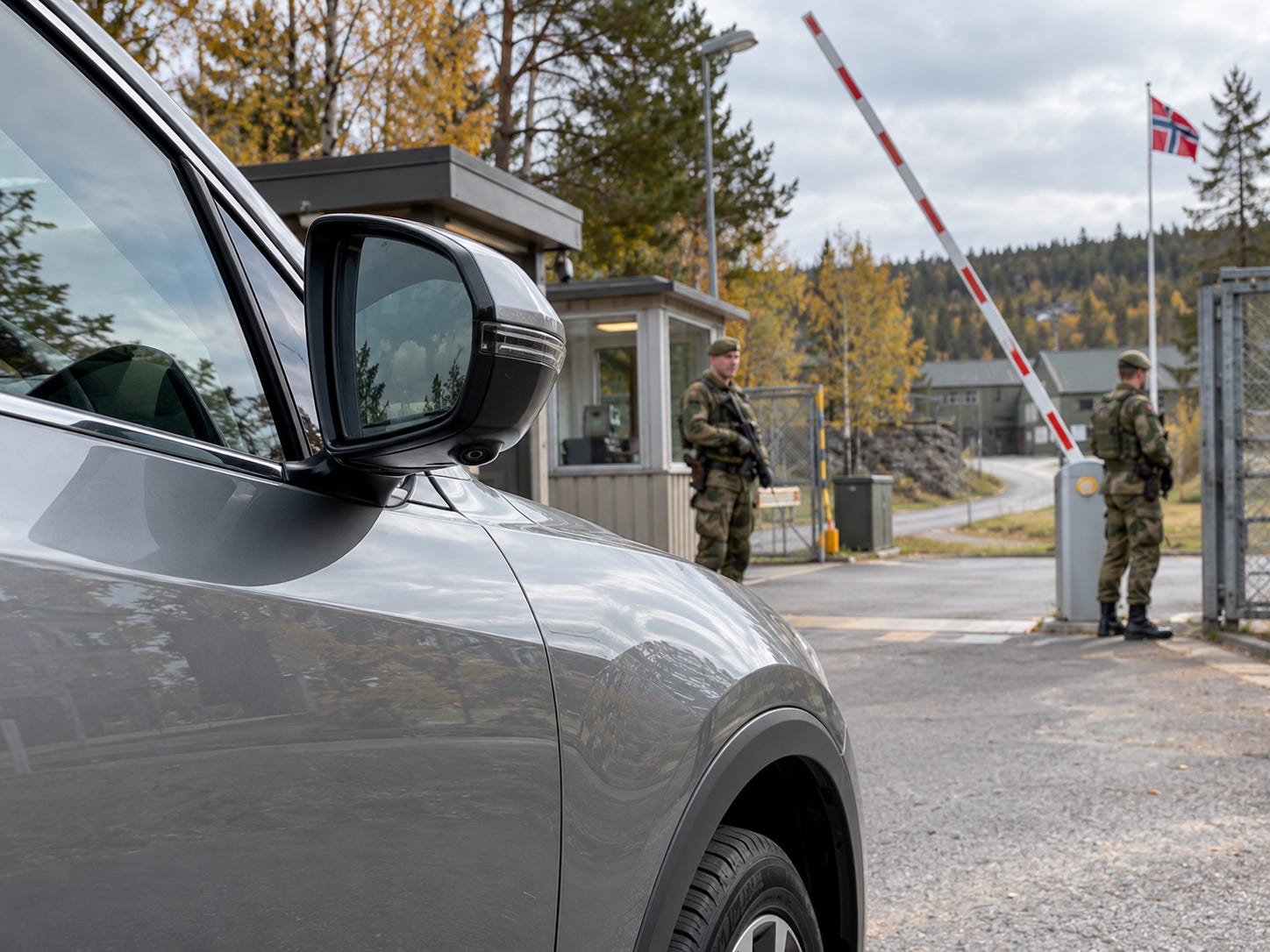
Defense Minister Tore O. Sandvik says the armed forces will not shut out Chinese-made cars, even though rental vehicles filmed a military exercise in September. In an October 16 response to parliament, he confirmed that the armed forces used the cars without a specific risk assessment.
The same day, France and Germany announced an industrial agreement that could pressure Norway into adopting EU tariffs on Chinese-made electric cars. According to the two governments’ proposal, the conditions could affect prices and availability in Norway, and possibly the rental fleets the armed forces depend on.
Soldiers raised the alarm
Members of the Home Guard, Norway’s military reserve force, noticed that the rental cars were recording their surroundings during Exercise Hovedstad. They reported it. Sandvik says the recordings were deleted and the rental company was contacted.
Before the exercise, the armed forces had prepared a general threat assessment covering digital threats and the need to limit digital exposure. According to the minister, they relied on existing safeguards when using the cars.
Sandvik argues that cameras and sensors in modern vehicles pose risks regardless of where they are made. The armed forces therefore favor restrictions based on local security assessments, he says. Some units already require private vehicles to stay outside their compounds.
European factories could shape the choice
The pressure from Paris and Berlin comes from industrial policy. Both governments want public procurement and subsidies to support European production through the proposed “Made in Europe” framework.
Their plan would let Norway take part on conditions that include alignment with relevant EU trade protection measures, among them extra duties on Chinese-made electric cars.
Norway currently charges zero tariffs on these vehicles and stands outside the EU’s common customs policy, so accepting the conditions would require a major policy decision. The Norwegian Electric Vehicle Association says tariffs could affect both prices and the range of models on offer. The framework is still under negotiation.
If Norway accepts, rental companies could change what they buy, and over time that would reshape the fleets offered to the armed forces. The defense minister could end up with fewer Chinese cars to choose from, not because of security concerns, but because European governments want to protect their own factories.
Discussion about this post