Norway Plans to Build a New Launch Pad on Andøya to Replace Satellites
The government proposes a additional launch pad at Andøya Spaceport. The expansion is intended to strengthen satellite preparedness, and the Norwegian Armed Forces

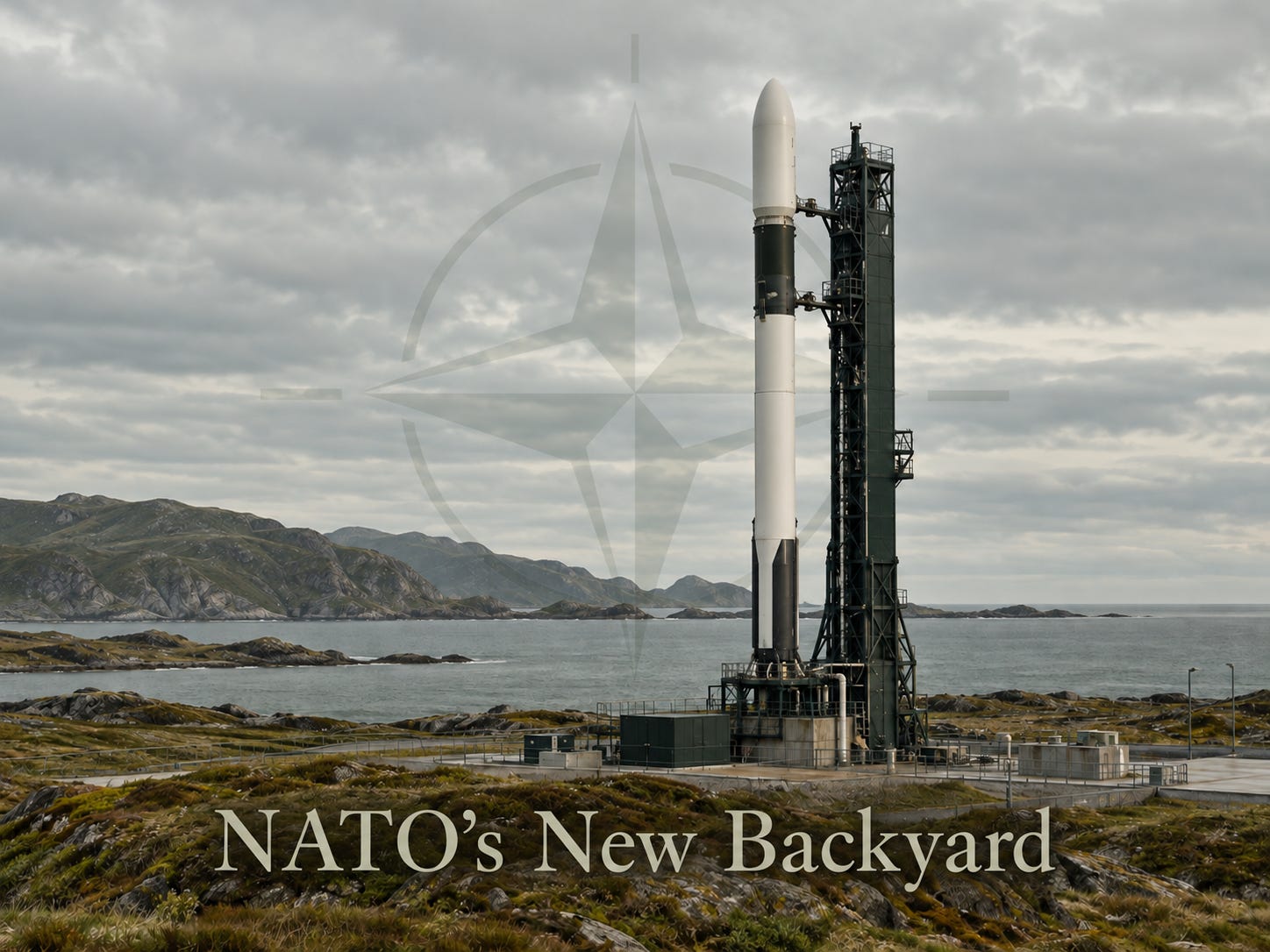
OSLO: The Norwegian government proposed on 7 October building a second launch pad at Andøya Spaceport in Nordland. The aim is to launch replacement satellites at short notice during crises and war, according to the Ministry of Trade, Industry and Fisheries and the Ministry of Defence.
Satellites provide communications, navigation and surveillance of large maritime areas. The ministries highlight their importance for the Armed Forces’ situational awareness in the High North. New satellites would replace lost capacity or meet emerging needs. The government discussed the need for rapid replacement as early as 16 February 2024.
Construction to Start in 2027
The proposed 323.3 million kroner allocation is for the 2027 budget. The funding would cover the launch pad, associated infrastructure and security measures. It would be built alongside the existing pad in Børvågen, with construction starting in 2027 and completion targeted for 2028.
The total expected cost is 646 million kroner over the two years. The budget lists this as the P50 cost baseline, the financial framework used to manage the project.
A 300,000-Kroner Discrepancy
Both ministries’ budget proposals contain a numerical error. The Ministry of Defence’s share is listed as 223.5 million kroner, and the trade ministry’s as 99.5 million. Together, these amount to 323.0 million, or 300,000 kroner below the stated total. The government’s regional budget overview instead lists 223.8 million from the defence ministry, producing the stated total of 323.3 million. The discrepancy remains unresolved in the budget material reviewed.
The State Builds, Andøya Space Operates
Forsvarsbygg, the Norwegian Defence Estates Agency, would carry out the construction. The state would build and manage the infrastructure, while Andøya Space would operate the spaceport, enter into agreements with the launch company and pay rent. The Norwegian Armed Forces would take over site security under the plans. The detailed management arrangements remain under consideration, according to the budget proposal.
Successful Launch
The investment builds on a successful launch. The Spectrum rocket, developed by Germany’s Isar Aerospace, reached orbit from Andøya on 5 September 2026 and deployed payloads in low Earth orbit, according to the European Space Agency (ESA). Four days later, the company said all customer payloads had been deployed and most satellites had established contact and begun operating.
Andøya Space describes the spaceport as particularly suited to smaller satellites in orbits over the polar regions. According to its manufacturer, Spectrum can carry up to 1,000 kilograms into low Earth orbit. Which services can be restored therefore depends on the satellites’ functions and the orbits they require.
The budget proposal specifies no response time for bringing a replacement satellite into operation. Rapid replacement requires, among other things, an available rocket, a suitable satellite and ground systems to control it and receive data. For authorities that need maritime surveillance images, the replacement becomes useful when those images actually arrive.
Discussion about this post