Norway Moves Closer to Europe’s Defence Supply System
Norway’s government has proposed legislation connecting the country to a European programme intended to strengthen defence production and improve access to military equipment.

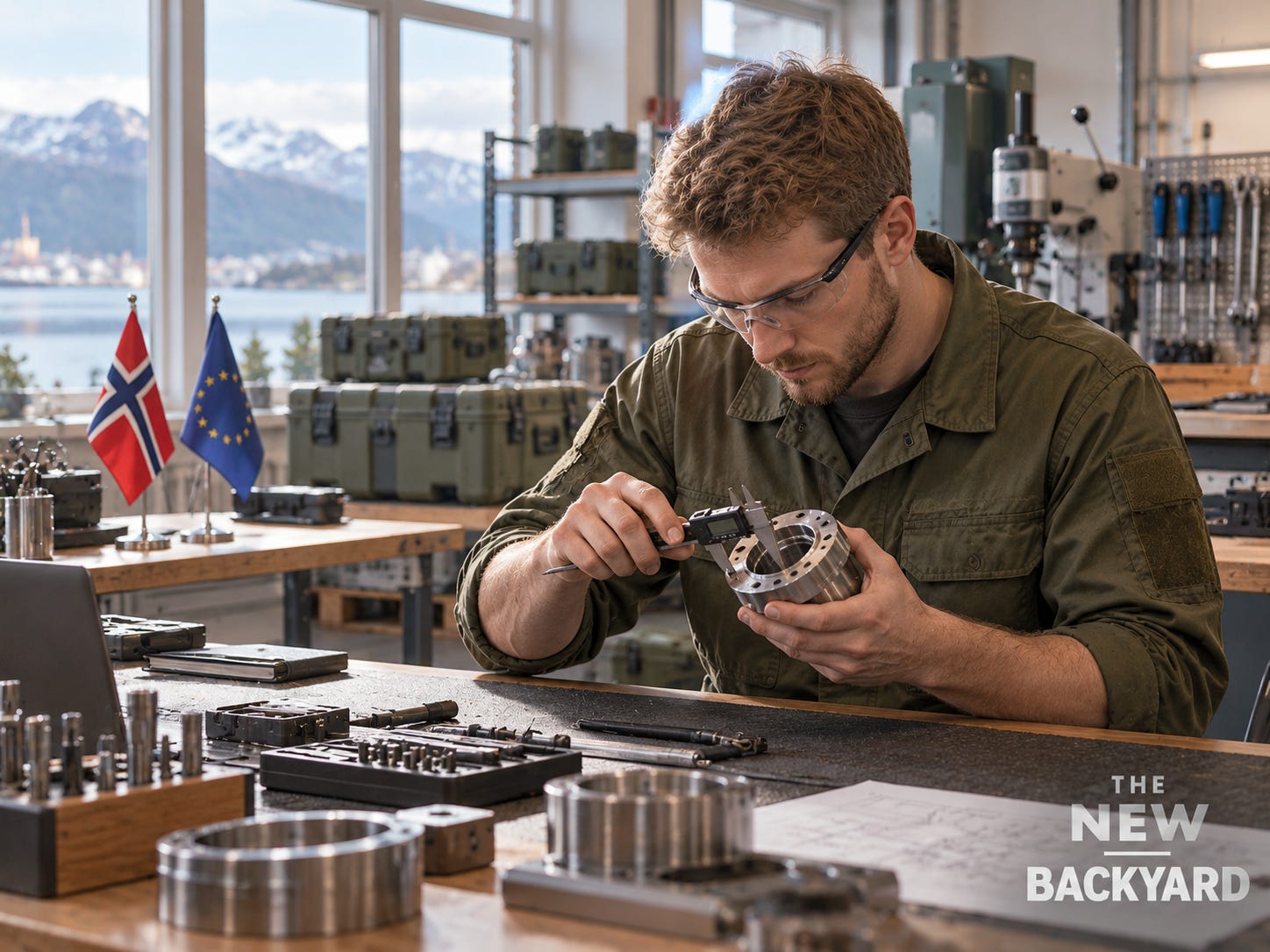
The Norwegian government approved a new defence supply bill on October 30, seeking parliamentary consent to implement the European Defence Industry Programme, EDIP, in national law.
The proposal would incorporate the EU regulation through the European Economic Area agreement, which provides the framework for much of Norway’s cooperation with the European Union.
The measure concerns both industrial cooperation and the timely availability of defence products. It places supply security alongside the financial instruments intended to support collaboration between European manufacturers.
For Norway, participation requires legislation and parliamentary approval. The Defence Ministry identifies budgetary consequences and a limited transfer of authority as reasons why the Storting, Norway’s parliament, must give its consent.
Production and dependable supplies
The ministry’s July consultation described two distinct elements of EDIP. One provides financial support for cooperative activities. The other establishes measures intended to strengthen security of supply for the defence industry.
According to that consultation, the programme component runs until 2028, while the supply-security provisions have an open-ended duration.
That distinction gives the proposal a longer horizon than a temporary industrial funding programme. Its supply provisions are intended to remain relevant after the initial programme period.
The consultation invited contributions from defence agencies, manufacturers, employers’ organisations and the Norwegian Confederation of Trade Unions. The proposed framework therefore reaches across public procurement, industrial production and the workforce supporting them.
The bill now moves into parliamentary consideration, where legislators will examine the domestic legislation and consent to incorporating the European regulation into the EEA framework.
Discussion about this post