Nordic defence chiefs: “We need to act”
Here I write about the meeting between the defence leaders of Norway, Sweden, Denmark, Finland and Iceland.

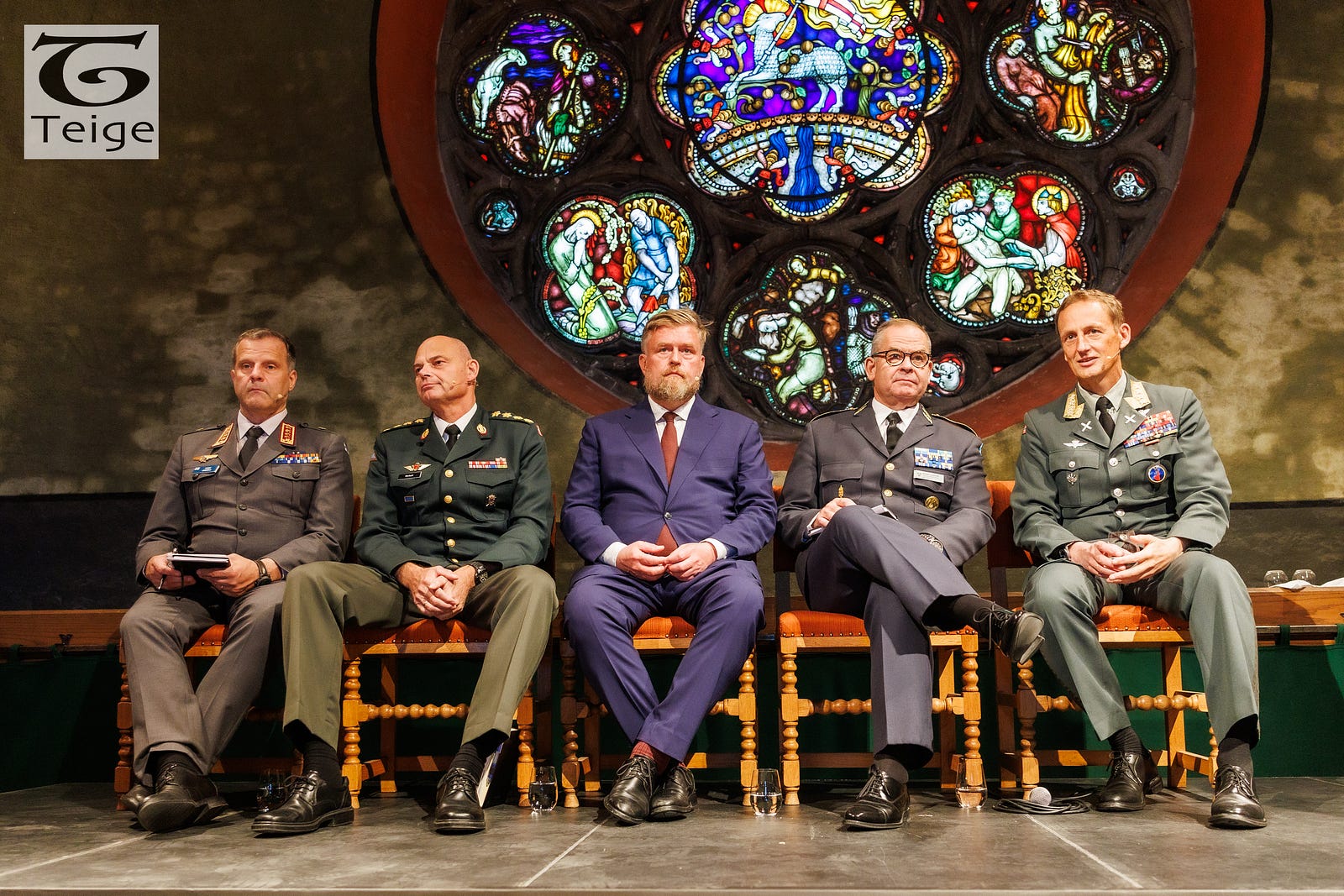
The five Nordic defence leaders arrived at Akershus Castle in Oslo after several intense days of meetings on Arctic security, NATO and Nordic military cooperation. What followed was not a discussion about whether the Nordic countries should work more closely together. It was about what still stands in the way.
Here I write about the meeting between the defence leaders of Norway, Sweden, Denmark, Finland and Iceland on 21 September, during the security-policy conference “Total Defence in the Nordic Countries – Do We Think Alike?” at Akershus Castle. The conference was part of Margretedagene 2026 and focused on how the Nordic countries organise resilience and total defence in peace, crisis and war.
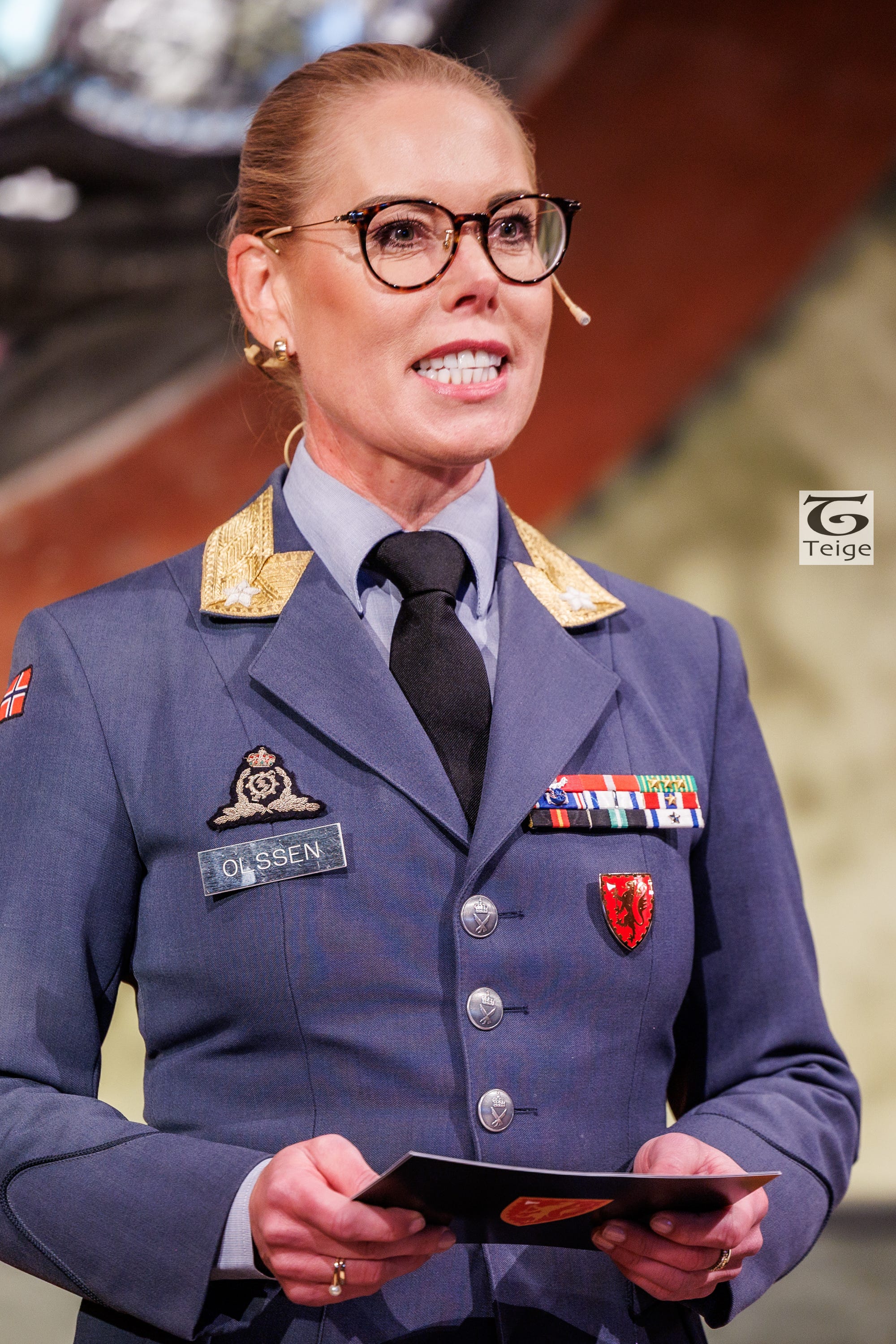
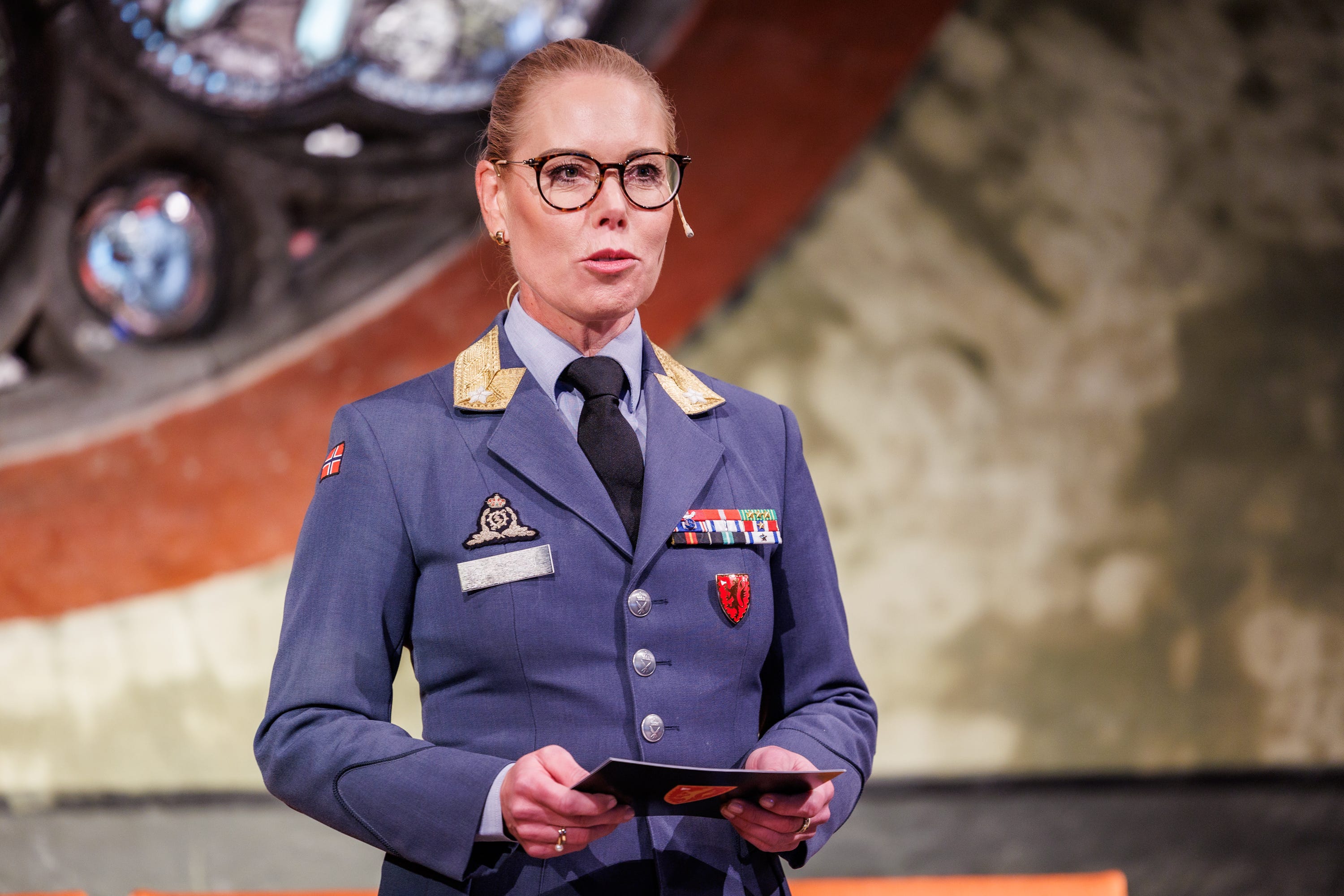
The panel brought together Eirik Kristoffersen of Norway, Michael Claesson of Sweden, Michael Wiggers Hyldgaard of Denmark, Janne Jaakkola of Finland and Director General Jónas G. Allansson of Iceland. It was led by Brigadier Gyda Ellefsplass Olssen, commandant of Akershus Fortress, who questioned them about national differences, civilian preparedness, Russia, NATO and the limits of Nordic integration.
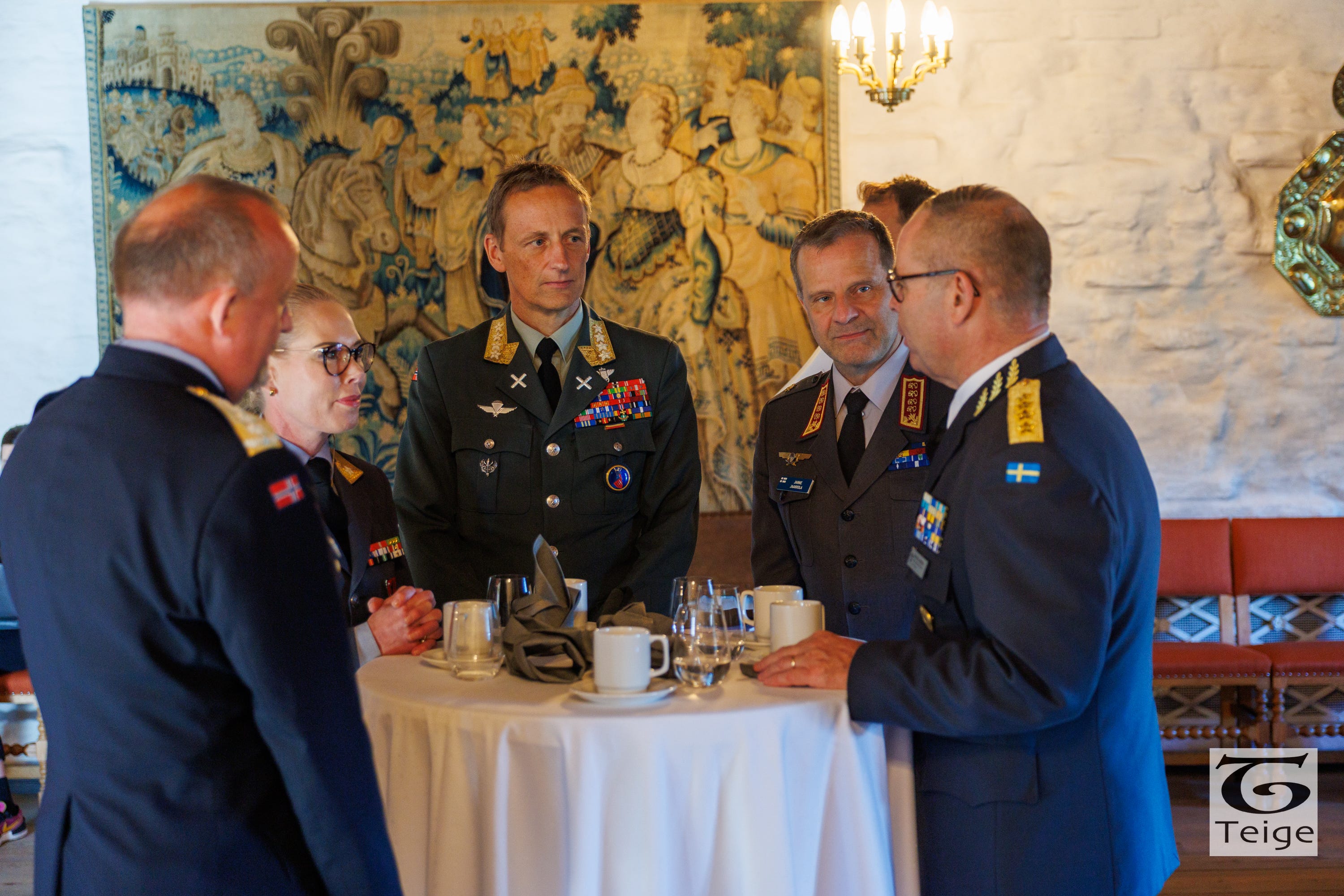
.They had already spent considerable time together before taking their seats in Olav V’s Hall.
On 18 September, several of them were in Copenhagen for a meeting of the Arctic Chiefs of Defence, discussing the Arctic, the North Atlantic, situational awareness and closer military coordination. The following day, all 32 NATOchiefs of defence met in Copenhagen for the alliance’s Military Committee Conference. Kristoffersen told the audience that the Nordic chiefs then continued to Oslo, where they met again with their civilian counterparts.
There was little need for introductions. They were already deep into the same discussion.
The EU question
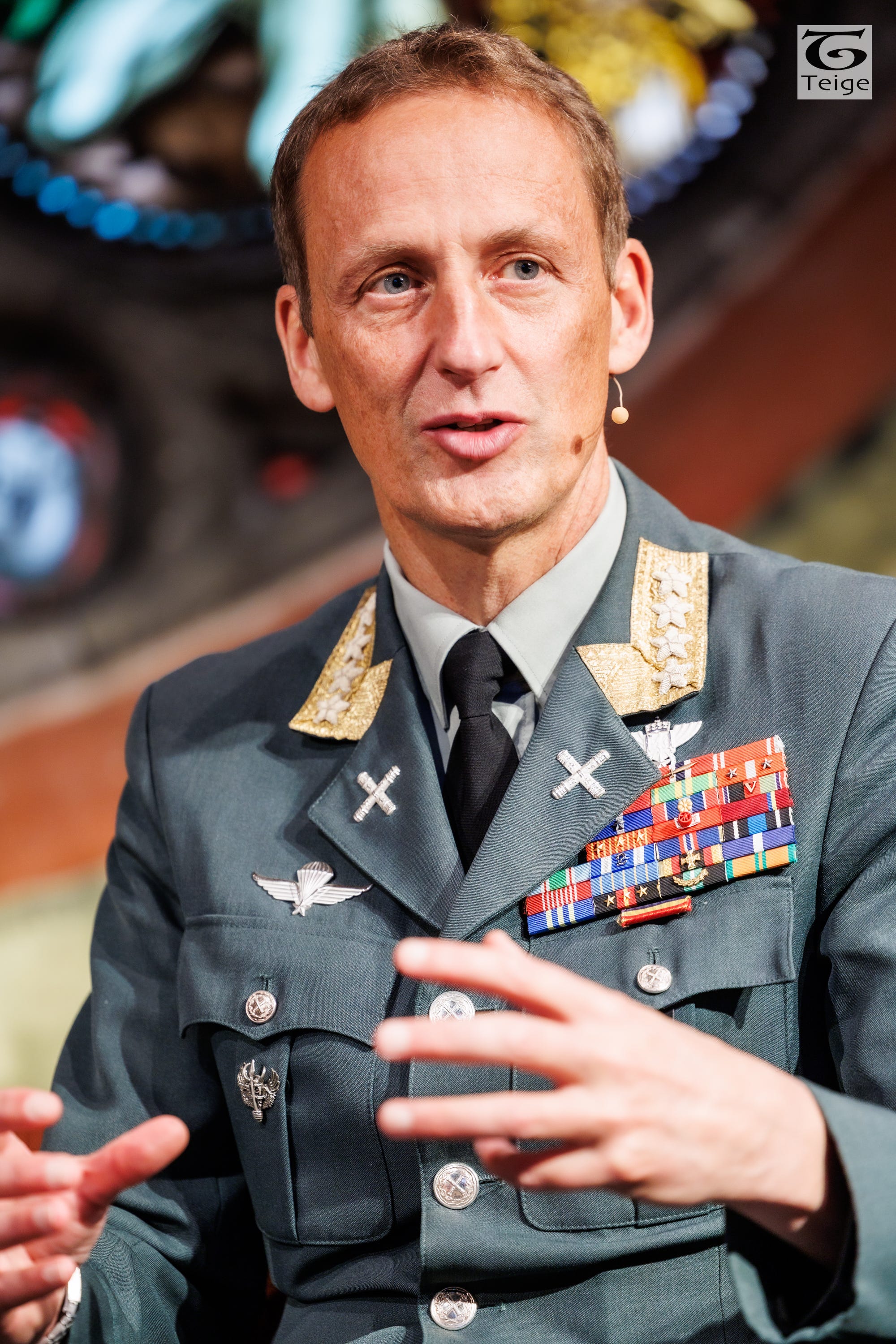
Before the panel began, during the reception at Akershus, I pulled Eirik Kristoffersen aside and asked him about something that is becoming increasingly relevant for Norway.
A growing part of the European discussion on security, preparedness and defence cooperation takes place within the European Union. Sweden, Denmark and Finland are members. Norway is not.
How does that feel from the Norwegian side when so much of the security discussion also takes place in a room where Norway does not have a seat?
Kristoffersen was pragmatic.
His answer was that the EU supports NATO, while NATO provides the common military framework for all five Nordic countries. From his perspective, the more difficult situation was when Finland and Sweden were outside NATO. Now that all the Nordic countries are members of the alliance, he regarded the region as being in a much better position for practical cooperation.
That answer fitted closely with what he and the other defence leaders said when the panel started.
Russia is too big for one Nordic country
Kristoffersen made the basic military calculation unusually plain.
“Russia is too big for Norway. Russia is too big for Sweden. Russia is too big for Denmark alone. I think also they are too big for Finland. Even though Finland has maintained a large force, but together we are strong enough.”
That did not mean building a separate Nordic alliance.
When Finland and Sweden applied to join NATO in 2022, the Nordic military leaders recommended much deeper integration across land, sea, air, cyber and space. They also wanted the countries brought into the same NATO operational framework.
Kristoffersen described the change as more fundamental than it may first appear.
The Nordic countries already cooperated closely before Finland and Sweden joined NATO. The difference now is that military planning, command structures and national forces can increasingly be connected inside the same alliance plans.
He pointed to the combined Nordic forces, including around 250 combat aircraft, land forces, navies and national total-defence systems.
“If you compare the Nordic strength with the Russian strength in the High North, we are actually in a very good place for deterrence.”
The military can cross the border. The system is slower
The obstacles are not always military.
Some are customs forms, airspace regulations and civilian rules.
Kristoffersen described a simple ambition: it should be almost as easy for a Norwegian battalion to use a firing range in Sweden as one in Norway. Sending a Norwegian officer to Karlsborg should not be fundamentally more difficult than sending one to Kirkenes.
That is not yet the case.
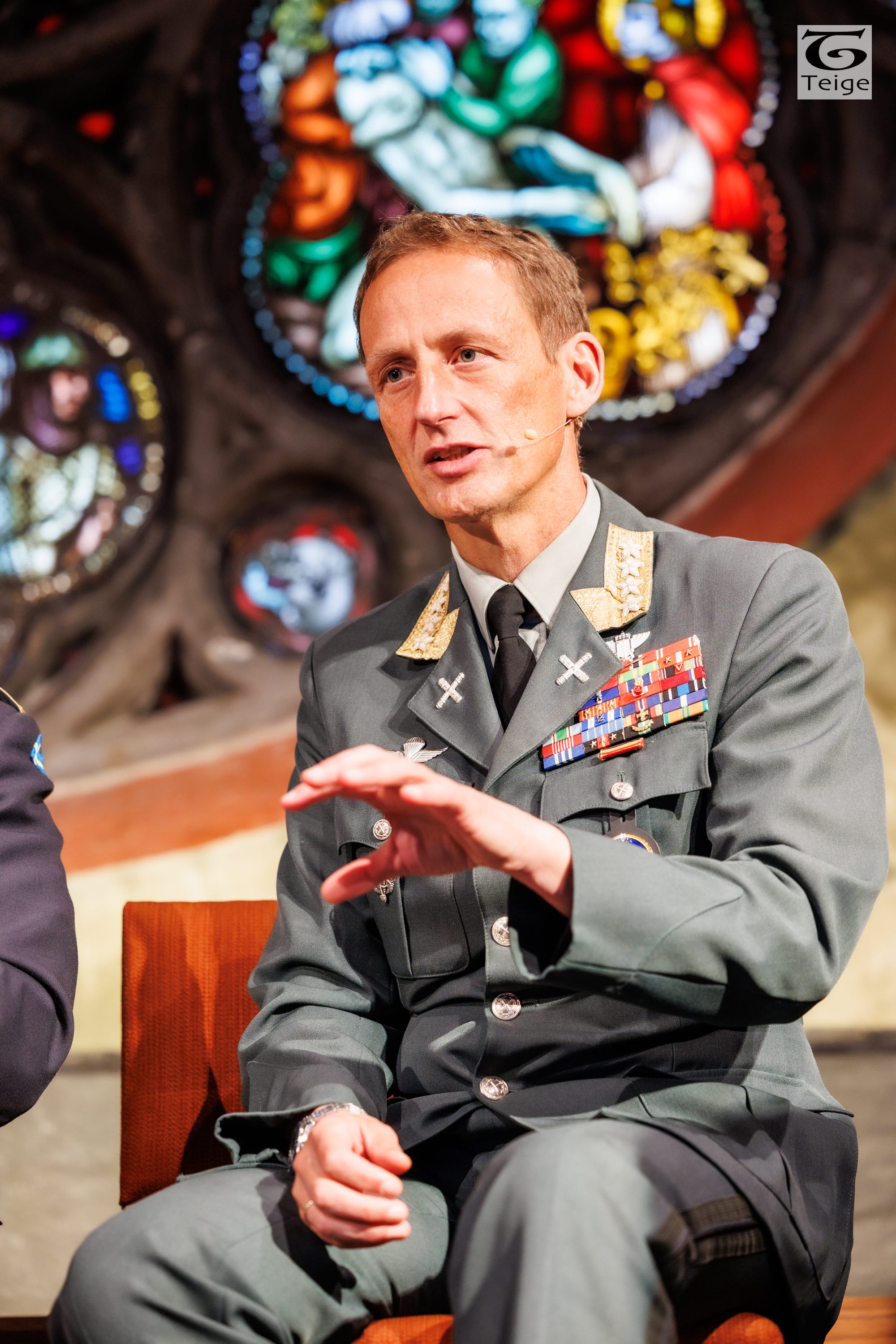
He pointed specifically to customs, biosecurity controls on equipment and peacetime airspace regulation as examples of restrictions that still complicate movement across Nordic borders.
The logic is straightforward. Systems that do not work efficiently in peacetime are unlikely to become easier when a crisis has already started.
Sweden’s warning: Nordic complacency
Swedish Supreme Commander Michael Claesson turned the discussion towards a weakness much closer to home.
“What I think is a threat to us all, except the Russians, is Nordic complacency.”
Sweden had an extensive total-defence system during the Cold War. Claesson said much of it was dismantled during the years of what he sarcastically called the expectation of an “eternal era of peace”. The rebuilding began in 2015, after Russia’s annexation of Crimea.
His concern now is that the Nordic countries may believe they have integrated more deeply than they actually have.
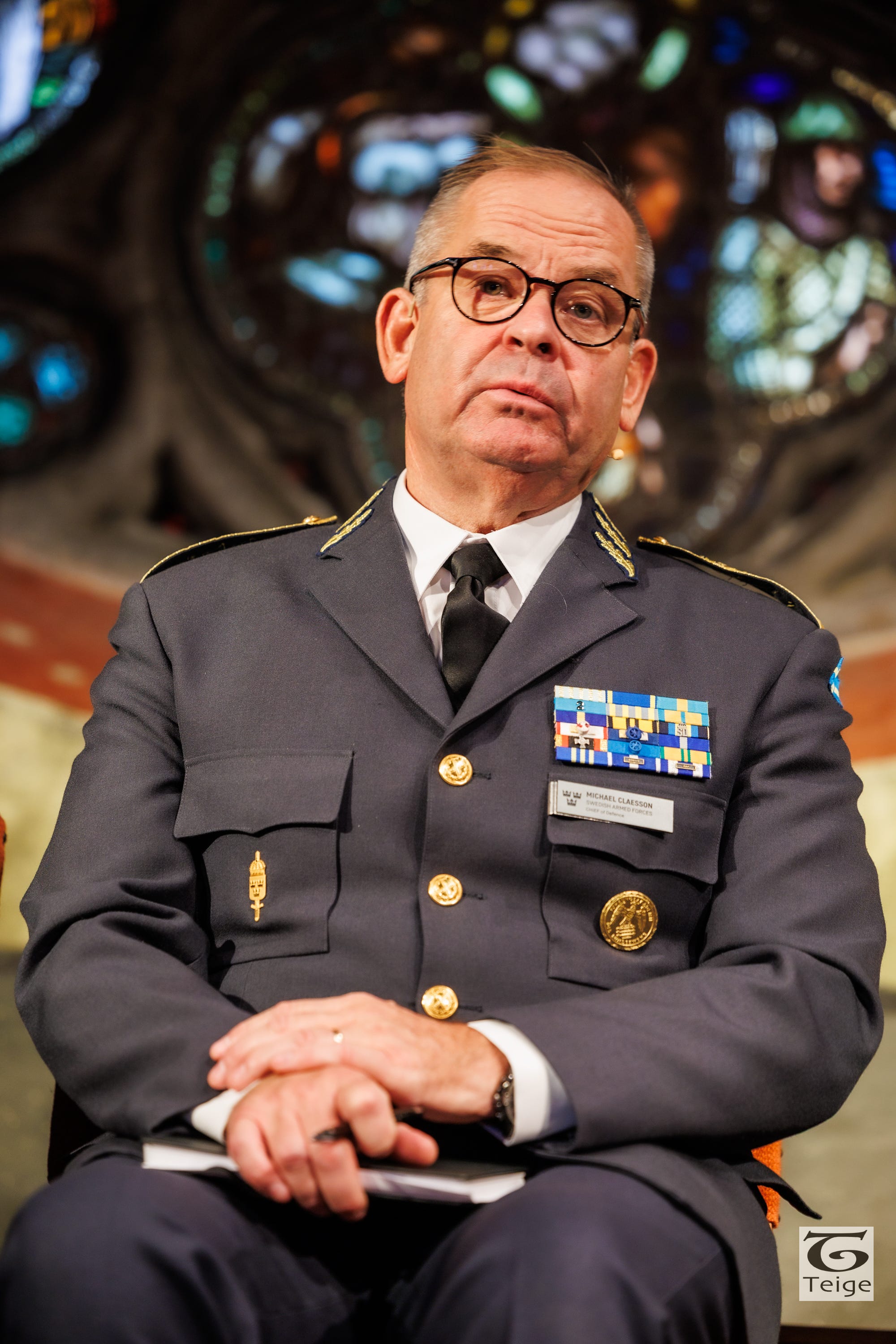
He pointed to the COVID pandemic. Under pressure, countries with a long tradition of cooperation suddenly adopted different national approaches.
In a military crisis, that is more than an administrative inconvenience. Different systems and a lack of trust can become something an opponent can exploit.
Claesson left no ambiguity about the threat shaping Swedish military planning.
“There is absolutely no question about what is the dimensioning threat in that regard. That is Russia.”
Finland: “The military is easy”
Finnish Chief of Defence Janne Jaakkola came at the same problem from a different direction.
Finland does not primarily use the term total defence. Its model is comprehensive security, built around cooperation between government, the armed forces, the private sector, organisations and individuals.
That also changes what membership in NATO means.
“The NATO membership is not about military. Actually, the military is easy.”
The harder task is bringing the rest of society into the new security structure.
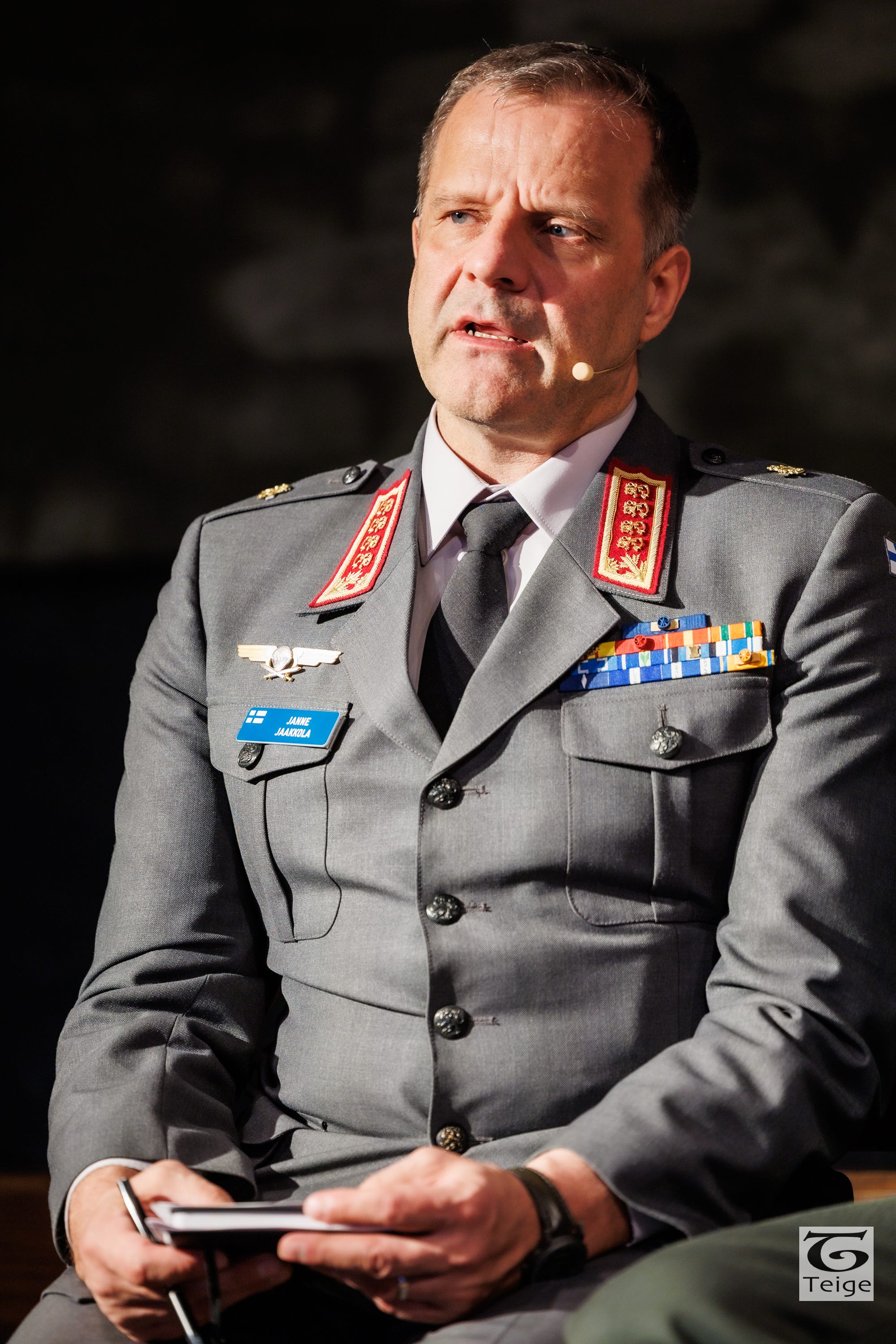
Jaakkola referred to incidents involving critical infrastructure in the Gulf of Finland. One of the most important lessons was very practical.
“You need to know whom to call.”
There may be only hours available when something happens. That is not the time to start discovering which authority in which country is responsible.
“In the end of the day, it’s about people and trust.”
Denmark takes the difficult route
Danish Chief of Defence Michael Wiggers Hyldgaard gave perhaps the clearest practical example of how to uncover weaknesses before they matter.
Denmark is deploying troops to Latvia. The easiest way to move them would be by aircraft.
Instead, Hyldgaard described how Denmark deliberately uses a more complicated combination of air, sea, road and rail, including movement through Sweden.
The purpose is to put pressure on the system and discover where it fails.
“Get rid of all the limitations that we have, identify them, and deal with them immediately. We cannot wait.”
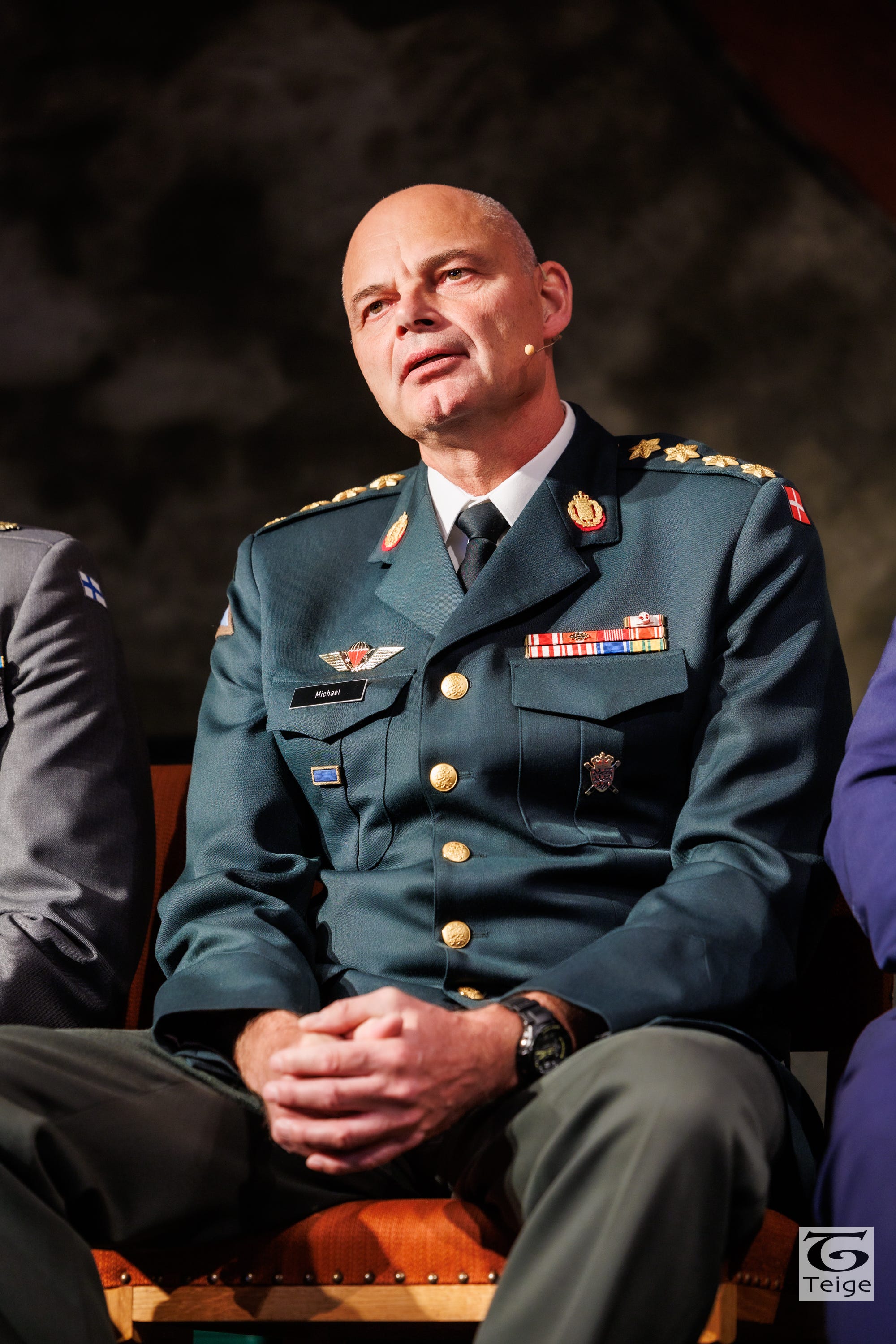
He was equally clear that closer Nordic integration is not about turning Scandinavia and Finland into a separate military bloc.
“This is not building a fortress Nordics.”
The purpose, he said, is to create more military effect within NATO.
Iceland starts with society
Iceland enters the discussion from a very different position.
The country has no standing military force.
Jónas G. Allansson instead pointed to Iceland’s experience of dealing with volcanic eruptions, avalanches, floods and large-scale evacuations.
Now that experience has to be adapted to deliberate human threats.
“What we need to do now, given the global situation and the security threats that we see, we need to focus more on how we deal with manmade threats, be it hybrid attacks or actually all-out war.”
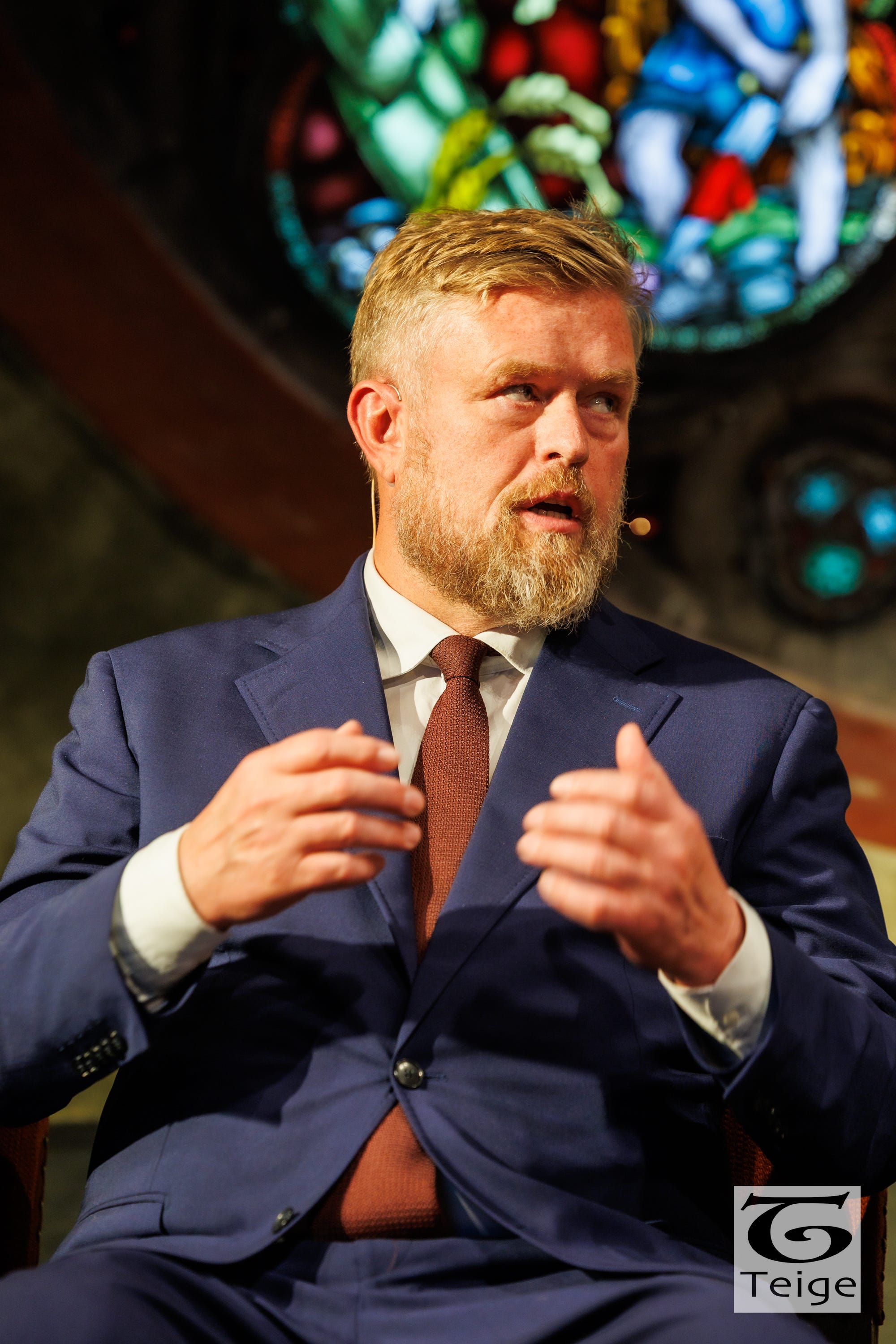
For Iceland, that means involving energy companies, municipalities, private companies, state institutions and individual citizens.
“It actually starts from individual homes up to the government.”
The Nordic countries are not the same
Nobody on the panel pretended that the five countries have identical systems.
Their laws differ. Their institutions differ. Iceland has no standing armed forces. Finland has maintained a broad comprehensive-security model. Sweden has had to rebuild parts of a total-defence structure that were dismantled after the Cold War.
Claesson used an image from a British colleague to describe the relationship between Norway and Sweden:
“You’re like Siamese twins. Your spines have grown together, but you’re looking in two different directions.”
The differences, in his view, do not have to disappear. They have to complement each other.
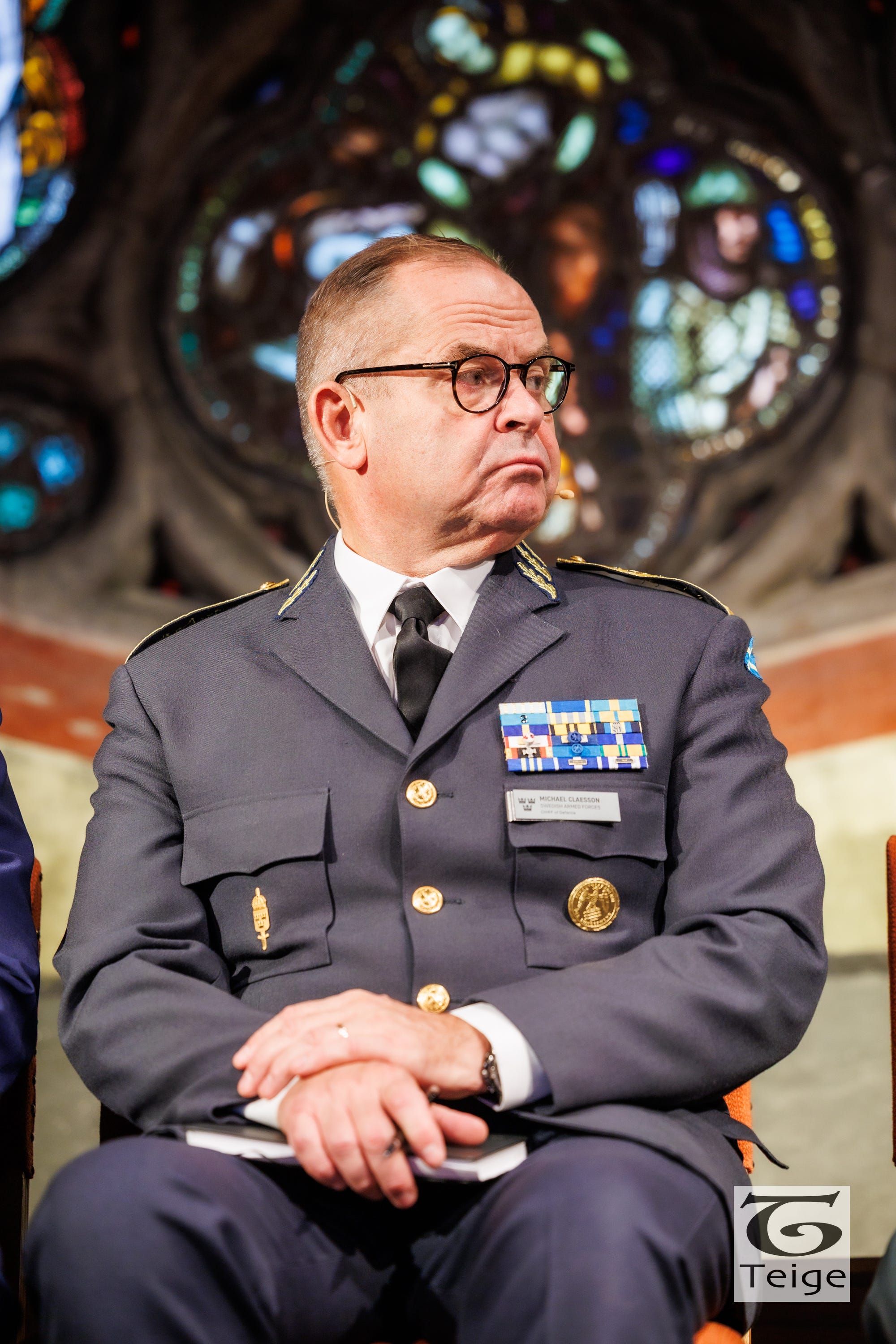
The same thought ran through much of the afternoon. Integration did not mean making five countries identical. It meant making five different systems work together when they had to.
“We need to act”
Towards the end, Gyda Ellefsplass Olssen asked each participant for one thing the audience should take away from the discussion
.
The answers became noticeably shorter.
Michael Wiggers Hyldgaard said the Nordic countries are “stronger together” and that they need to do this faster.
Janne Jaakkola said they might not get everything right from the beginning, but the important thing was to get it “less wrong than the adversaries.”
Michael Claesson returned to his own conclusion:
“We are not perfect, but we are strong.”
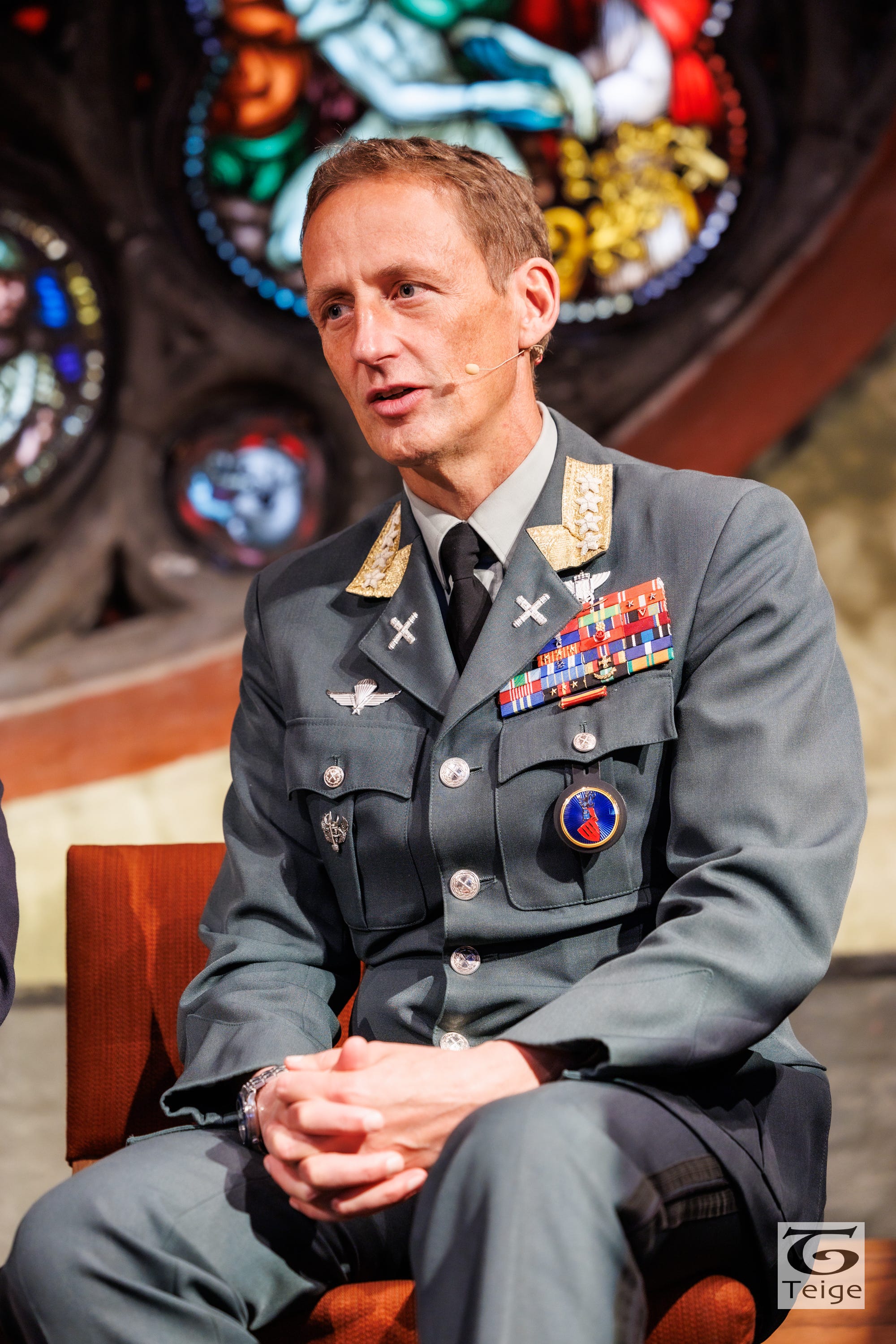
Then Eirik Kristoffersen summed up where he believed the Nordic countries now stand
.
“Everything is in place. So we don’t need so much more planning. We need to act.”
And then, almost impatiently:
“I think it’s time to act and make the things happen.”
Discussion about this post