Nordic and Baltic Leaders Demand More Pressure on Russia at Brussels Summit
At the Brussels summit, Nordic and Baltic leaders defended Ukraine’s right to fight, demanded sustained support and challenged moves easing pressure on Russia.

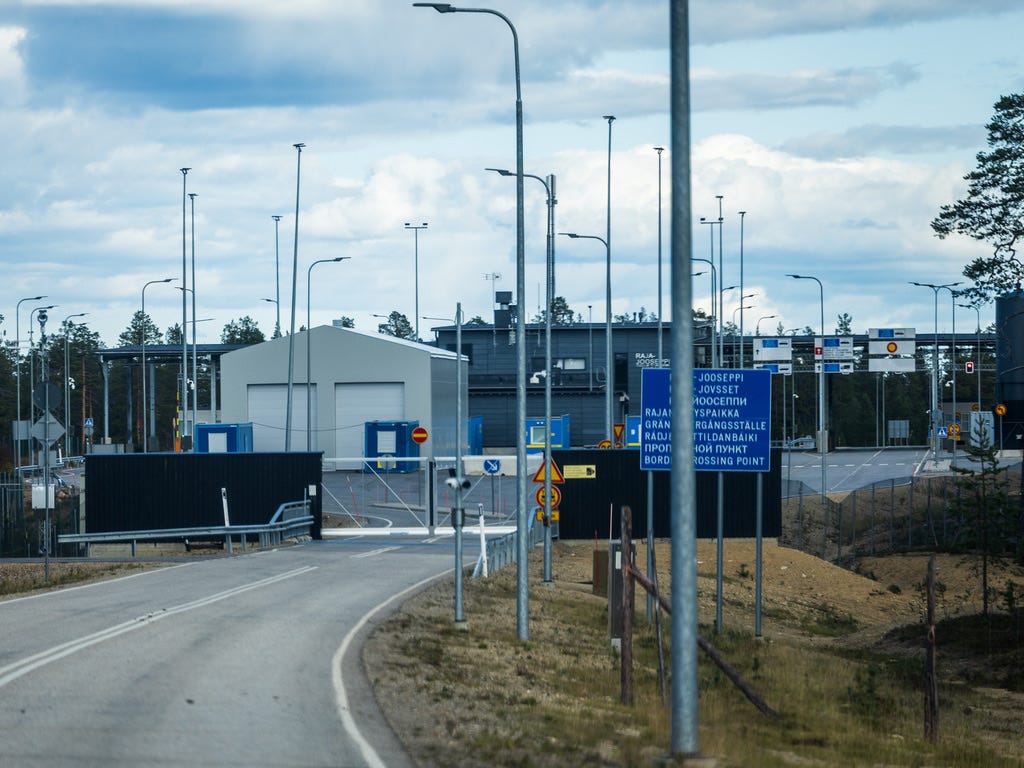
BRUSSELS — Danish Prime Minister Mette Frederiksen arrived at the European Union summit on Thursday, October 15, warning that Washington’s recent moves had weakened the Western alliance. Sweden defended Ukraine’s right to strike the Russian revenues sustaining the war, while Finland opposed releasing frozen Russian assets. The **Baltic countries—Estonia, Latvia and Lithuania—**pressed for tougher sanctions, stronger defenses and continued support for Ukraine through winter.
Frederiksen’s assessment followed U.S. President Donald Trump’s announced diesel agreement with Russia, alongside reports of disruptions affecting intelligence sharing and satellite services used by Ukrainian forces. “I believe that the Western alliance is in a worse place now than we were a couple of days ago,” she said. Her warning connected American policy directly to Europe’s ability to defend itself against Russia.
The two-day summit, chaired by European Council President António Costa, brings those security concerns into discussions about Ukraine’s financing, European defense readiness and Russian-linked hybrid attacks. For the northern and eastern member states, the immediate demands concern weapons, pressure on Moscow and protection of the infrastructure needed to sustain Ukraine’s resistance.
Sweden Defends Strikes on Russia’s War Income
Swedish Prime Minister Ulf Kristersson described the American diesel agreement as deeply worrying when he arrived in Brussels. Trump had announced an agreement involving the purchase of 300,000 tons of Russian diesel, raising concerns among European governments about additional income for Moscow while the war continues. Kristersson’s response focused on the relationship between energy exports and Russia’s capacity to keep fighting.
Asked about Ukrainian President Volodymyr Zelensky’s intention to resume attacks on Russian refineries, the Swedish leader defended Ukraine’s right to reduce those earnings. “They need to limit Russia’s revenues,” he said. That position places Ukrainian military operations and European economic pressure within the same effort to restrict the resources available for Russia’s war.
Lithuanian President Gitanas Nausėda addressed the same conflict through the proposed ceasefire on energy infrastructure. Speaking in Brussels on Thursday, he insisted that such an arrangement must impose obligations on both sides. A halt to Ukrainian strikes combined with continued Russian attacks on Ukraine’s energy system would have devastating consequences, he said.
Finland Wants Frozen Assets Used to Support Ukraine
Finnish Prime Minister Petteri Orpo firmly rejected proposals to release Russian assets frozen in Europe into an American-controlled arrangement connected to peace negotiations. Asked about the idea on Thursday, he described releasing the assets as “completely out of the question.” His alternative was continued European work on using the resources to support Ukraine.
Orpo connected the funds to the destruction Russia continues to inflict on Ukrainian territory. His remarks made continued pressure on Moscow central to Finland’s position: Russian assets held in Europe should contribute to sustaining Ukraine’s resistance. Agreement on the precise mechanism remains under discussion among European governments.
Finland also entered the summit emphasizing air defense and long-term financing. Speaking in the Finnish Parliament on Wednesday, Orpo highlighted the strain on Ukrainian defenses as Russia continued intensive attacks against civilian targets and energy infrastructure. The immediate concern is Ukraine’s capacity to protect people and essential services while securing assistance that extends beyond the next emergency.
Estonia Calls for Weapons, Sanctions and Faster EU Accession
Estonian Prime Minister Kristen Michal set out his summit demands before traveling to Brussels: more weapons and money for Ukraine before winter, tougher energy sanctions and an end to tourist visas for Russian citizens. His government’s approach combines immediate military assistance with measures intended to make continuing the war more costly for Moscow.
Estonia also wants faster progress in Ukraine’s EU accession negotiations. Michal argues that opening the remaining negotiating areas would strengthen confidence in Ukraine’s European future and encourage continued reforms. Lithuania likewise supports advancing the accession process alongside long-term defense financing, treating Ukraine’s integration into Europe as part of its future security.
The three Baltic governments are jointly seeking an EU-wide ban on imports and transit of Russian and Belarusian grain. Latvia presents the proposal as a means of restricting revenues supporting Russia’s war economy. Their demand extends economic pressure beyond energy and seeks a common European measure governing trade through EU territory.
Latvia Wants Faster Defense Preparations Along the Eastern Border
Latvian Prime Minister Andris Kulbergs is pressing for greater recognition of the responsibilities carried by countries bordering Russia and Belarus. Latvia’s summit position calls for additional support to those states, stronger protection of the external border and resources for strategic transport connections, including Rail Baltica. Its argument is that the pressures facing the eastern frontier concern the security of Europe as a whole.
Latvia also wants European defense capabilities strengthened faster than the existing 2030 timetable. Its priorities include projects reinforcing the eastern flank and assistance to protect Ukraine’s energy sector. On the border with Belarus, it seeks European solidarity and funding in response to the use of migration as a pressure tactic and to continuing provocations.
These demands connect military readiness with the infrastructure that allows societies to function during a crisis. Border protection, transport links and energy resilience feature alongside weapons and sanctions in the Baltic positions. Estonia similarly wants greater investment in eastern border countries and cross-border connections as part of strengthening European security.
The Security Threat Is Already Reaching Allied Waters
The summit is taking place as Romania investigates new incidents involving commercial ships in and around its territorial waters. According to NATO, four vessels were targeted Wednesday evening and overnight into Thursday, including two in Romanian territorial waters. Responsibility remains under investigation.
The incidents coincided with drone incursions into Romanian airspace that prompted Spanish F-18 and Romanian F-16aircraft to scramble. General Alexus Grynkewich, NATO’s supreme allied commander in Europe, is consulting allied military leaders, while Bulgaria plans to strengthen its counter-drone capabilities. Protecting civilian shipping and critical infrastructure is already an operational task along the alliance’s southeastern frontier.
Air Defenses and Electricity Before Winter
Zelensky arrived in Brussels on Thursday seeking stronger pressure on Russia and additional defense support. He is scheduled to meet Costa, European Commission President Ursula von der Leyen and the assembled EU leaders on Friday. The discussions will address how continued European assistance can meet Ukraine’s military and financial needs.
For Finland, strengthening air defenses is an immediate priority. Latvia is pressing for assistance to sustain Ukraine’s energy sector as Russia continues targeting critical infrastructure. European preparations for winter include repairs and stronger electricity connections across borders, alongside the missiles, radars and other equipment needed to protect the system supplying Ukrainian homes and public services.
Discussion about this post