Kallas accuses US of pushing Ukraine toward surrender
Europe’s chief diplomat accuses American negotiators of pressing Ukraine toward surrender as Oslo hosts talks and Brussels defends sanctions against Russia.

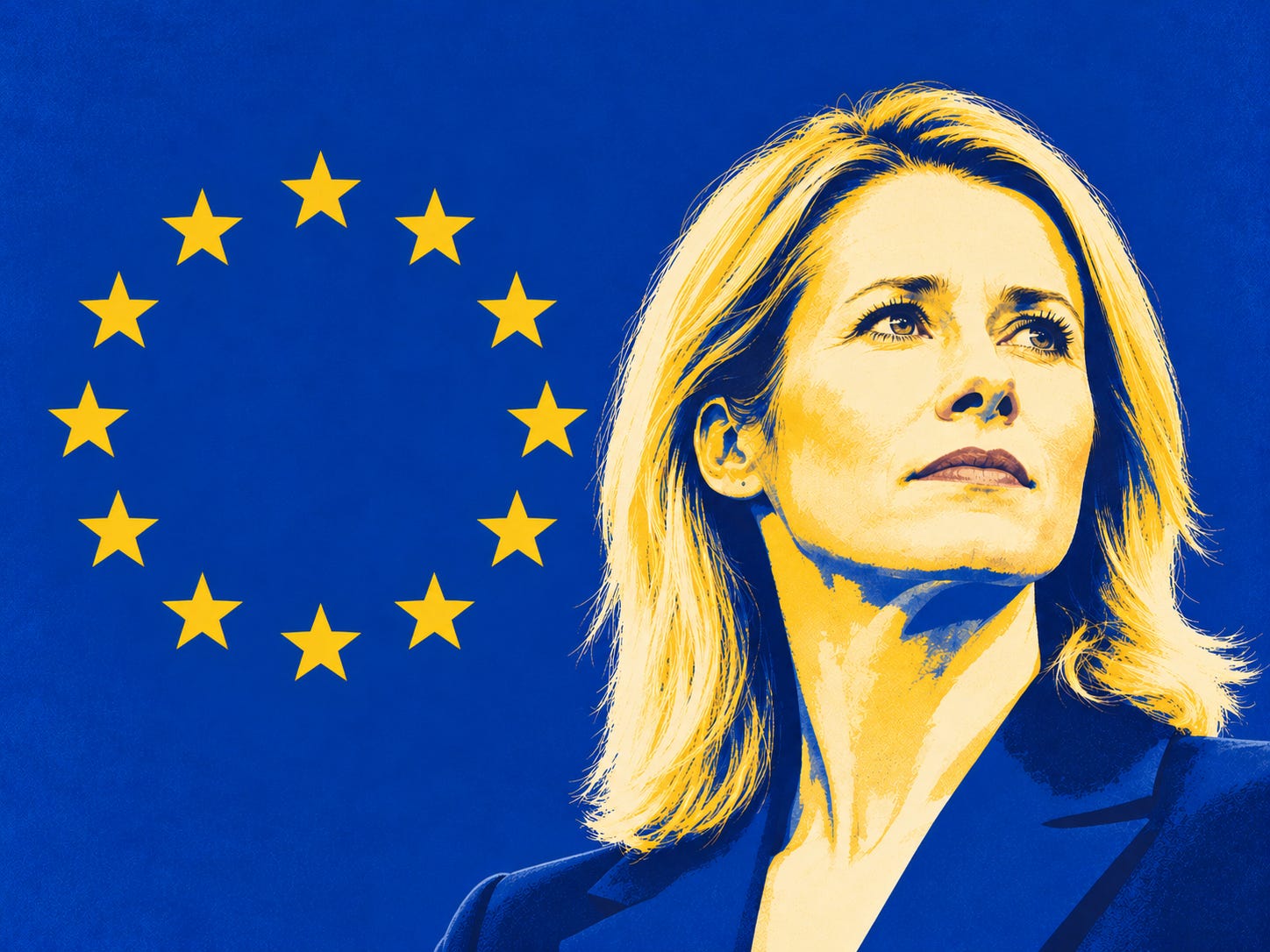
Kaja Kallas, the European Union’s foreign policy chief, accused American negotiators of trying to force Ukraine into surrender during a debate in the European Parliament in Strasbourg on October 20. Her intervention came as Ukrainian and American representatives gathered for talks in Oslo.
“American negotiators have been trying to push Ukraine into surrender,” Kallas said, describing a campaign lasting roughly a year and a half. She credited European support with helping Ukraine resist a settlement on Russian President Vladimir Putin’s terms.
Europe demands a place at the table
Kallas argued that Europe must participate directly in negotiations because Moscow seeks concessions that Washington alone can deliver only in part. Decisions about European sanctions belong to European governments.
She said she had presented EU foreign ministers with a negotiating proposal in February, setting out demands Europe should place before Russia. Her approach would put European conditions alongside Moscow’s demands and preserve sanctions as bargaining power.
For Kallas, a settlement must provide lasting protection against renewed Russian aggression. She linked Ukraine’s ability to negotiate acceptable terms to continued European military, financial and political support.
Washington’s sanctions decision draws criticism
In a separate parliamentary statement on October 20, Kallas criticized the Trump administration’s decision to waive central sanctions, restrictions and tariffs under the Graham Act, American legislation intended to increase pressure on Russia.
She said the decision weakened international efforts to bring the war to an end. Europe, she argued, should retain its economic pressure while continuing diplomatic engagement with Washington.
Kallas also distinguished between pursuing negotiations and securing Russian willingness to compromise. She said coordinated American and European pressure could move Moscow toward substantive talks, and pointed to Russian resistance to proposed ceasefire arrangements.
Von der Leyen backs continued pressure
Ursula von der Leyen, president of the European Commission, had set out a firm sanctions position on October 16, four days before Kallas’ intervention.
Speaking alongside Ukrainian President Volodymyr Zelenskyy in Brussels, she said Russia’s continued attacks required stronger pressure. She tied sanctions relief to Russia ending the war and confirmed work on another European sanctions package.
At the closing press conference after the European summit, von der Leyen said European support mattered more than ever as Russia tested Ukraine’s resilience and threatened its economy.
She said the EU and its member countries were providing 80 percent of Ukraine’s external assistance, and urged other partners to contribute more. Europe would continue discussions with Ukraine and the United States while strengthening Kyiv’s ability to secure a just and sustainable peace.
That commitment extends into the coming winter, with further defense assistance and budget support available, subject to agreed Ukrainian reforms.
Discussion about this post