Iceland Protection Reform
Iceland’s government is reviewing civil protection reforms aimed at clearer responsibilities, stronger prevention and better recovery when communities face emergencies.

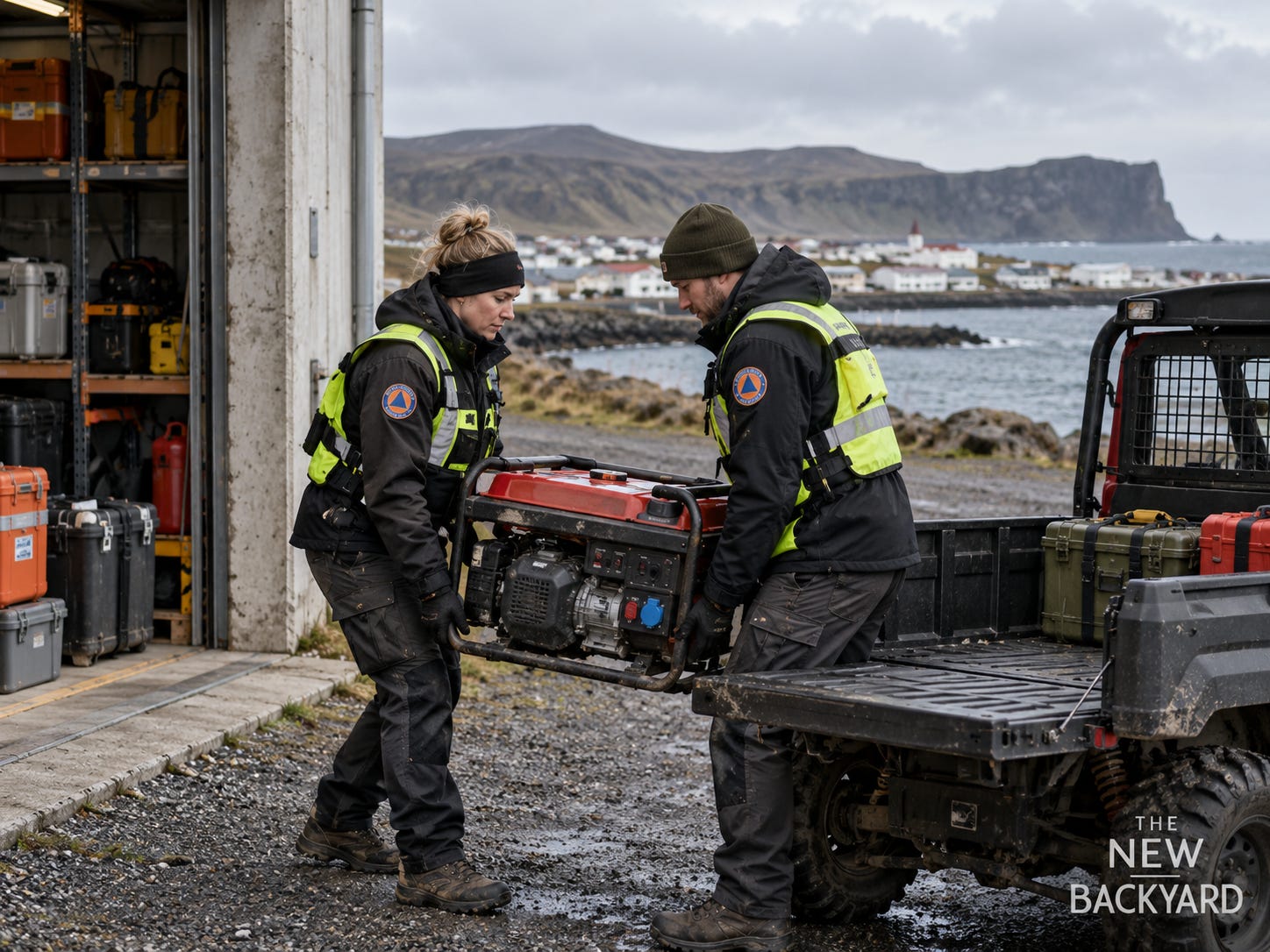
A new civil protection bill appeared on the agenda of Iceland’s cabinet on October 30. The Prime Minister’s Officepublished the agenda, placing the proposal among the justice minister’s business.
The government’s 2026–27 legislative programme describes a replacement for the civil protection law adopted in 2008. It would give preventive work greater weight as the country prepares for a wider range of emergencies.
The programme links the overhaul to a changing international environment and growing emphasis on society’s ability to withstand disruption.
Clearer duties throughout a crisis
The proposed legislation would clarify the obligations of municipalities and emergency responders. Their responsibilities would cover prevention, action during dangerous situations and the work required afterwards.
Recovery would receive greater weight within the overall organisation of civil protection. The stated aim is a society whose different sectors can respond to complex challenges in a coordinated way.
These changes are presented as proposed legislation in the government’s programme.
Protecting essential services
The cabinet agenda also listed publication of the preparedness booklet Verum viðbúin, meaning Let’s Be Prepared, and the European Union’s Critical Entities Resilience Directive.
The European framework covers services including energy, drinking water, healthcare and transport, addressing risks from natural hazards, sabotage and other disruptions.
Under that framework, governments identify essential providers through risk assessments. Operators then assess their own exposure and take technical, security and organisational measures to strengthen their ability to maintain services.
Discussion about this post