Iceland Links National Security to Everyday Policing
Iceland’s new policing strategy combines stronger capabilities against international crime and digital threats with accessible local policing and earlier support for vulnerable people.

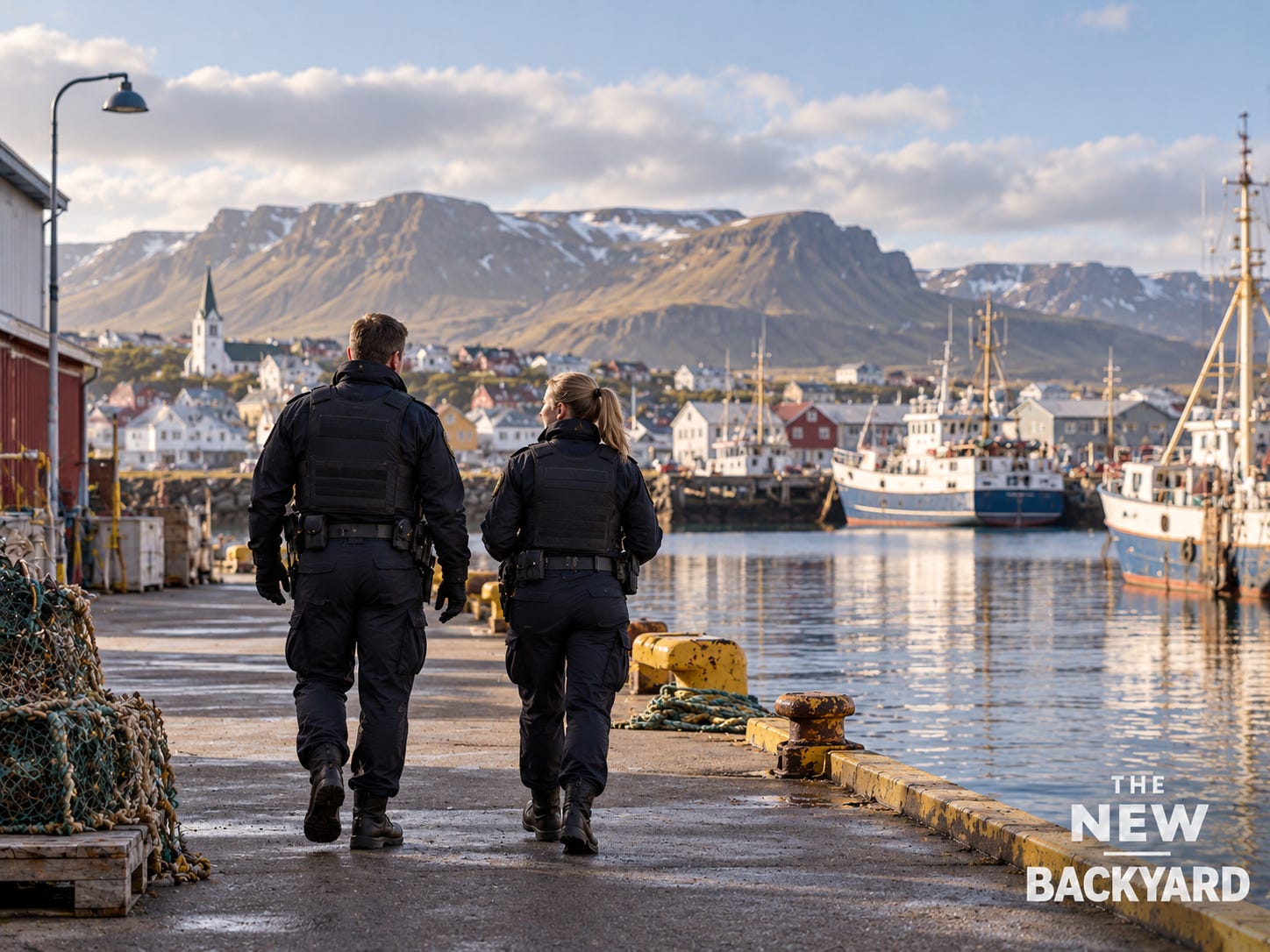
Icelandic Justice Minister Þorbjörg S. Gunnlaugsdóttir presented the country’s policing strategy for 2027–2031 in Reykjavík on October 28.
The plan calls for more police officers, stronger specialist knowledge and improved education and training. It identifies international organised crime, economic offences, cybercrime and growing border traffic as pressures requiring a coordinated response.
Border control, risk analysis and international cooperation feature alongside protection of critical infrastructure. Police preparedness and analytical capacity are also linked directly to national security and society’s ability to withstand disruption.
The ministry presents the document as a strategy with objectives and indicators through which progress can be assessed.
Trust begins with daily contact
The accompanying policy document connects public confidence with the service people receive when reporting threats, theft, violence and other offences affecting everyday life.
It calls for police to explain victims’ rights, available assistance and the progress of their cases. Accessibility and follow-up are treated as practical foundations for trust.
Community policing also has a preventive role. The strategy describes cooperation with schools, social services, child protection, health services, municipalities and voluntary organisations.
Particular attention goes to children and young people facing recruitment or influence from criminal groups, including through social media. Earlier intervention and coordinated support are intended to reduce that vulnerability.
The plan also prioritises protection for victims of trafficking, gender-based violence and abuse of children.
In her introduction to the strategy, the justice minister says staffing and funding should be directed towards the areas of greatest need and risk. The five-year framework places those resource decisions alongside measurable objectives for police service and public safety.
Discussion about this post