Europe’s Arctic Turn Puts Finland’s Western Rail Links in Focus
Finland sees Europe’s new Arctic strategy as a route to faster railway development, stronger military mobility and more secure supplies.

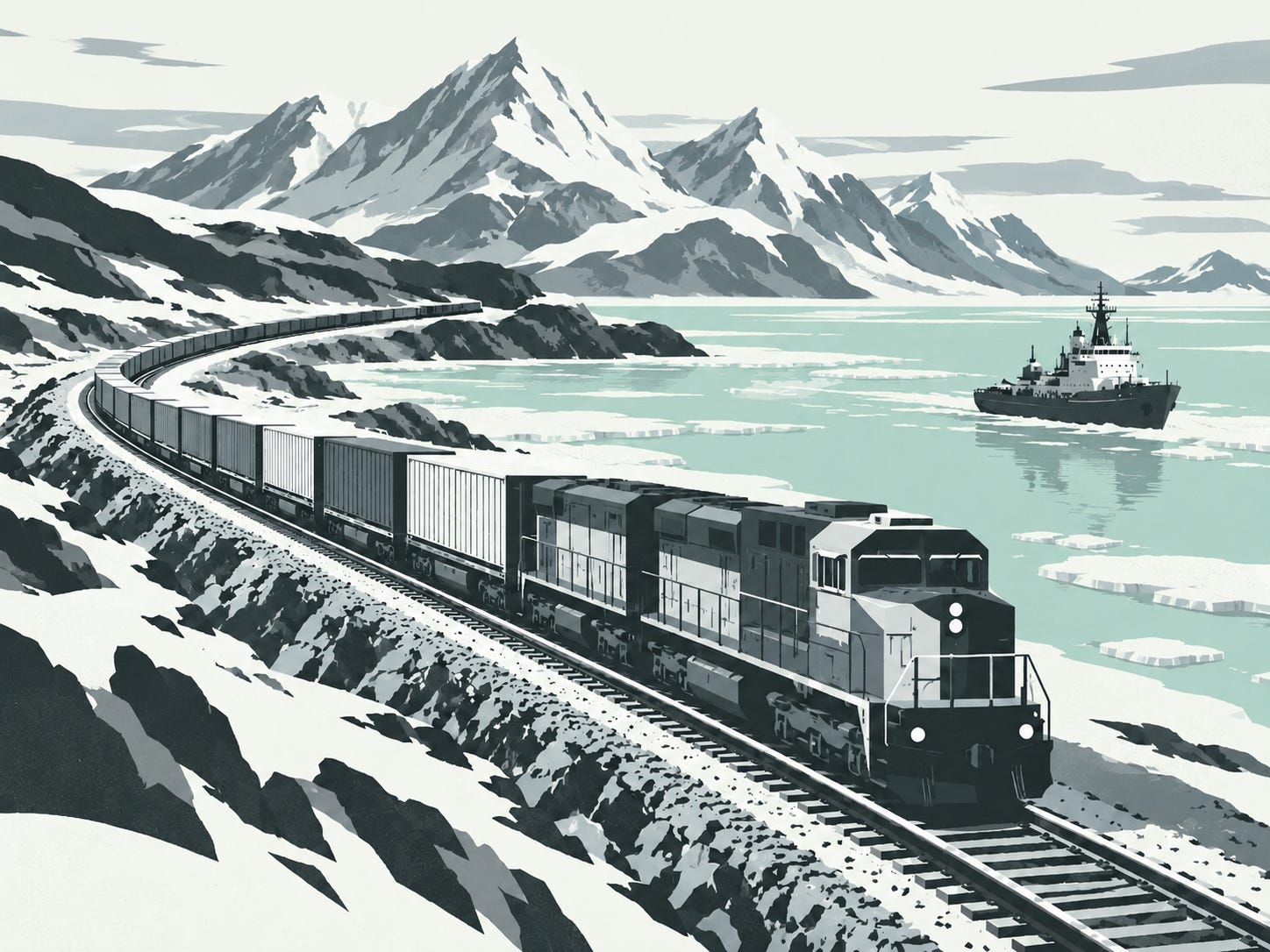
Finnish Prime Minister Petteri Orpo said on October 21 that the European Union’s new Arctic strategy would accelerate Rail Nordica, a project developing Finland’s westward railway connections using standard European track gauge.
His statement ties northern transport investment to Europe’s security and competitiveness. Finland’s priorities combine stronger railway links with greater icebreaker capacity and secure telecommunications, connecting civilian economic needs with the movement of military forces and essential supplies.
Railways become a security priority
Orpo identified the connection between Oulu in Finland and Luleå in Sweden as particularly important. The link forms part of the Trans-European Transport Network, the European Union’s framework for developing strategic transport connections.
Alongside Rail Nordica, Finland wants stronger east–west routes across the North. The government presents these connections as infrastructure serving trade, supply security and military mobility.
The strategic ambition now turns toward practical investment. Orpo called for projects that translate the European framework into growth and employment in Finland.
His announcement establishes the government’s priorities and expectations. Financing agreements, construction decisions and delivery schedules will determine how quickly those ambitions reach the railway network.
Icebreakers and communications enter the picture
Finland also wants greater European icebreaker capacity, supporting reliable access through northern waters.
The government places secure telecommunications alongside physical transport. Satellite technology could strengthen communications and situational awareness across the Arctic, creating opportunities for Finnish expertise.
Critical minerals feature in the same agenda. Finland advocates their sustainable development as part of strengthening European competitiveness and security of supply.
Together, these priorities describe an Arctic policy increasingly concerned with the infrastructure that keeps societies functioning and connects the North to the rest of Europe.
Security cooperation expands northward
The Finnish government says the strategy strengthens the European Union’s role in Arctic security, including capabilities suited to northern conditions and closer cooperation with the North Atlantic Treaty Organization, NATO.
Protecting critical infrastructure and sharing information between partners form part of that approach.
Orpo also emphasized that Arctic development should proceed with local inhabitants, respect for the environment and the rights of Indigenous peoples. Those commitments will accompany decisions over the location, financing and construction of the infrastructure Finland now wants Europe to prioritize.
Discussion about this post