Europe demands a place at the peace table
Europe holds sanctions Russia wants lifted. Its foreign policy chief wants that power used to secure Ukrainian sovereignty and lasting European security.

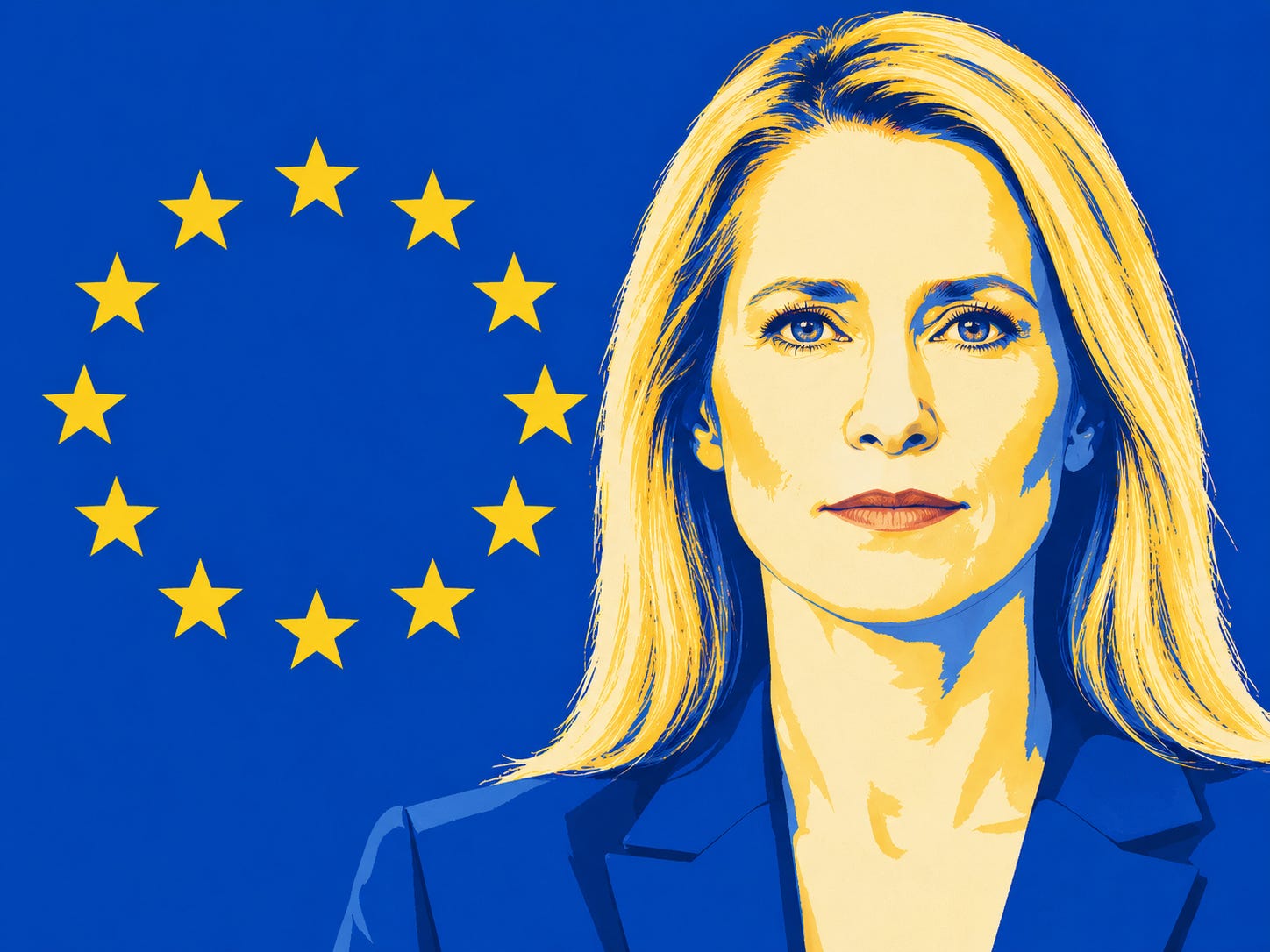
Kaja Kallas, the European Union’s foreign policy chief, called for a direct European role in peace negotiations during a debate in the European Parliament in Strasbourg on October 20. Her argument centers on who controls the concessions Moscow seeks: European governments hold the authority to lift European sanctions.
That gives Europe a concrete source of negotiating power. Any settlement involving relief from those restrictions requires decisions in European capitals and through European institutions.
Sanctions give Europe a say
For Russia, sanctions relief would help restore access to markets, finance and technology restricted during its war against Ukraine. For Europe, those restrictions provide bargaining power over the terms of a settlement.
Decisions to adopt, renew or lift European Union sanctions regimes require unanimity among member states in the Council of the European Union, where national governments are represented. Washington controls American measures. European governments control the bloc’s measures.
The practical implication is that negotiations between Washington and Moscow can deliver only part of the economic relief Russia seeks. Kallas wants Europe to translate that authority into influence over the negotiations themselves.
Europe has demands of its own
Kallas told lawmakers that she had already presented foreign ministers with an ambitious negotiating proposal in February. Its purpose was to put European demands alongside Russia’s demands and establish what Moscow should concede.
She outlined several elements publicly in May. A settlement should uphold Ukrainian sovereignty, independence and the country’s freedom to choose its alliances. Russia should cooperate with international investigations and pay for the destruction it has caused.
Her approach also addresses the military balance after a settlement. Any negotiated limits on Ukraine’s armed forces should be matched by restrictions on Russia’s military, she argued.
The wider European security agenda includes ending Russian sabotage, cyberattacks, election interference and airspace violations. Kallas has also raised the withdrawal of Russian troops from Georgia and Moldova, linking peace in Ukraine to security across the continent.
These were proposals for shaping Europe’s negotiating position. Turning them into an effective bargaining strategy depends on agreement among European governments.
Ukraine’s strength shapes the talks
Kallas links diplomacy directly to continued military, financial and political support for Ukraine. In her assessment, European backing has helped Kyiv withstand pressure to accept terms dictated by Vladimir Putin, Russia’s president.
That makes support for Ukraine part of the negotiating strategy itself. Ukraine’s ability to defend its territory and sustain its state helps determine the choices available to its negotiators.
The test for a settlement, in Kallas’s approach, is whether Ukraine can live securely afterward. European sanctions, Ukrainian defensive strength and enforceable Russian commitments would each help shape that future.
Discussion about this post