EU Summit Chair Costa Navigates Shifting Alliances Over Security, Spending and Energy
European Council President António Costa faces shifting alliances as governments dispute spending and energy policy while seeking stronger security and support for Ukraine.

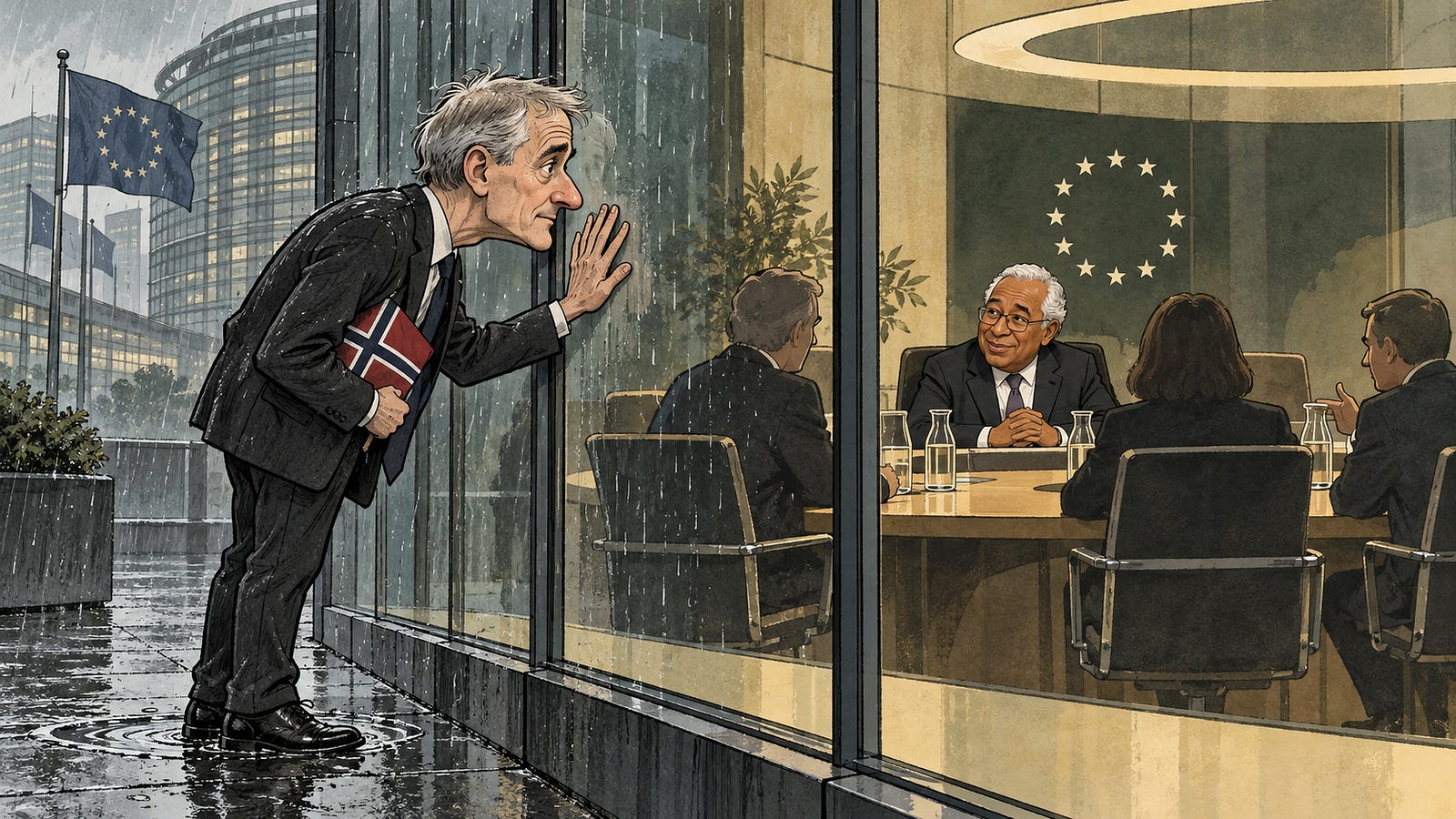
BRUSSELS — António Costa, president of the European Council and chair of the European Union’s summit, wants governments to move faster on decisions affecting Europe’s economy and security. As leaders from the EU’s 27 member states gathered on Thursday, October 15, he called for ambition to become concrete action. Their two-day meeting connects several urgent questions: financing Ukraine, strengthening European defenses, reducing energy costs and protecting industry.
The negotiations produce different alliances around each question. The Nordic governments favor a tighter European budget, while the Baltic countries have joined Spain, Italy and other governments seeking to protect its overall capacity. On energy policy, Spain stands closer to the Nordic countries. These overlapping interests shape Costa’s search for agreements that can secure support across the union.
Costa Wants Lower Bills and Faster Decisions
Costa has placed European competitiveness and energy prices prominently on the agenda. His approach combines temporary measures to ease immediate costs with a longer-term reduction in dependence on fossil fuels. The economic objective is closely connected to security: volatile energy prices strain households, weaken businesses and restrict governments’ capacity to finance other priorities.
The summit is also reviewing the “One Europe, One Market” agenda, intended to strengthen the single market and improve Europe’s competitiveness. Alongside that discussion, leaders must address Ukraine, defense readiness and Russian-linked hybrid attacks. Costa wants agreement on the 2028–2034 financial framework by the end of this year, allowing time to prepare the programs that will put those priorities into practice.
Denmark and Sweden Challenge Washington’s Direction
For Danish Prime Minister Mette Frederiksen, the immediate security problem includes deteriorating relations within the Western alliance. Arriving in Brussels on Thursday, she described a serious situation following U.S. President Donald Trump’s announced diesel agreement with Russia and reports of disruptions affecting intelligence sharing and satellite services used by Ukraine. “I believe that the Western alliance is in a worse place now than we were a couple of days ago,” she said.
Swedish Prime Minister Ulf Kristersson also criticized the diesel agreement and defended Ukraine’s right to strike Russian refineries. His reasoning was direct: Ukraine needs to reduce the revenues sustaining Russia’s war. The Swedish position places continued economic pressure on Moscow alongside military assistance to Kyiv.
Finnish Prime Minister Petteri Orpo rejected proposals to release Russian assets frozen in Europe into an American-controlled arrangement connected to peace negotiations. Speaking Thursday, he said governments should instead continue exploring ways to use those resources to support Ukraine. German Chancellor Friedrich Merz likewise insisted that decisions about the assets belong to Europe.
The Nordic Governments Want a Smaller, More Focused Budget
The Nordic governments’ support for Ukraine comes with demands for tighter European spending. Sweden, Denmark and Finland want the next budget focused more strongly on security and competitiveness. Kristersson says the current proposal would increase Sweden’s net contribution by almost 60 percent, a rise he considers unacceptable.
Finland’s objection concerns the distribution of the proposed cuts as well as the total. In its position before the summit, Orpo argued that the Irish compromise reduces funding disproportionately for defense, research and new technology. His government wants a smaller, modernized budget that strengthens those capabilities while preserving agricultural support and border security funding.
Germany, the Netherlands and Austria share the broader pressure for budget restraint. This gives the Nordic governments powerful partners in negotiations where all member states must ultimately approve the financial framework. Costa must reconcile their demands with governments seeking sufficient resources for both established programs and Europe’s expanding responsibilities.
Spain, Italy and the Baltic States Share Budget Demands
Spain, Italy, Estonia, Latvia and Lithuania belong to the Friends of Cohesion, a group of 17 countries coordinating their budget positions. Their cooperation concerns the scale of European funding, protection for agricultural and regional development programs, and a fairer distribution of contributions. Spain hosted a coordination meeting ahead of the summit, while the group adopted a joint declaration in Brussels on Thursday.
Italian Prime Minister Giorgia Meloni and Romanian President Nicușor Dan convened Thursday’s gathering. The declaration calls for sufficient funding to address emerging priorities while safeguarding established policies. It also seeks balanced sources of EU revenue and an end to special contribution rebates for individual countries.
Spanish Prime Minister Pedro Sánchez presented his demand for a more ambitious budget as a response to Europe’s new challenges. Arriving in Brussels, he called the proposal insufficient to meet needs in security and competitiveness, alongside agriculture and regional development. Spain’s argument therefore includes financing new European capabilities as well as protecting existing commitments.
France adds another dimension. Although it contributes more to the EU budget than it receives, French officials warn that concentrating on cuts could weaken investments intended to improve competitiveness. Finland’s defense of agricultural funding also demonstrates how individual priorities cross the broader negotiating groups.
The Baltic Countries Want the Eastern Border Recognized
Within the broader budget negotiations, Latvian Prime Minister Andris Kulbergs wants the next framework to reflect the burdens carried by countries bordering Russia and Belarus. Latvia seeks additional support for those states, arguing that their security responsibilities and economic pressures concern Europe as a whole. It also wants financing for strategic transport connections, including the Rail Baltica railway project.
Estonian Prime Minister Kristen Michal is pressing for more weapons and money for Ukraine before winter, tougher energy sanctions and an end to tourist visas for Russian citizens. Estonia also wants additional resources for eastern border countries and cross-border infrastructure. Its government connects those investments to economic growth and European security.
Lithuanian President Gitanas Nausėda has emphasized long-term defense financing for Ukraine and progress toward Ukrainian EU membership. Speaking in Brussels on Thursday, he also insisted that a ceasefire covering energy infrastructure must impose obligations on both sides. An arrangement allowing Russia to continue striking Ukrainian facilities while Ukraine halted its own attacks would have devastating consequences, he said.
The three Baltic countries jointly seek an EU-wide ban on imports and transit of Russian and Belarusian grain. Latvia presents this as a way to restrict revenues supporting Russia’s war economy. It also wants faster implementation of European defense plans and greater support for Ukraine’s energy system before winter.
On Energy, Spain Moves Closer to the Nordic Countries
Energy policy rearranges the alliances. Spain and Portugal, alongside the Nordic countries, emphasize electrification and the energy transition. Their approach combines immediate assistance with investment intended to reduce Europe’s dependence on imported fossil fuels and exposure to future supply shocks.
Sweden, Denmark and Finland defend the existing emissions trading system as part of that effort. Italy and the Czech Republic seek changes to, or suspension of, the system to reduce costs. Italy is also pursuing greater budget flexibility to respond to the energy squeeze. Spain’s cooperation with Italy over the EU budget therefore sits alongside a different alignment over energy and climate policy.
Estonia takes a distinct position on ETS2, the separate planned emissions trading system covering fuels used in road transport and buildings. Michal wants that system delayed further or abandoned because of the costs it would impose. The distinction matters: the existing industrial carbon market and the newer transport-and-heating scheme involve different policies, even as both enter the debate over affordability.
Ukraine Brings the Debate Back to Immediate Needs
Ukrainian President Volodymyr Zelensky arrived in Brussels on Thursday seeking stronger pressure on Russia and additional defense support. He is scheduled to meet Costa, European Commission President Ursula von der Leyenand the assembled national leaders on Friday. Those discussions will confront the practical needs behind the budget arguments: sustained financing, stronger air defenses and protection of essential infrastructure.
Ahead of the summit, Finland highlighted the strain on Ukraine’s air defenses as Russian attacks continued against civilian targets and energy facilities. Latvia is pressing for assistance to keep the Ukrainian energy system functioning. Repairs, electricity connections and protection against missiles and drones will determine how effectively that support reaches communities facing another winter at war.
Discussion about this post