DI: Danish Firms Unsure How to Help
Political director Morten Høyer of DI warns Denmark may waste equipment, workers and transport because businesses and authorities lack connections.

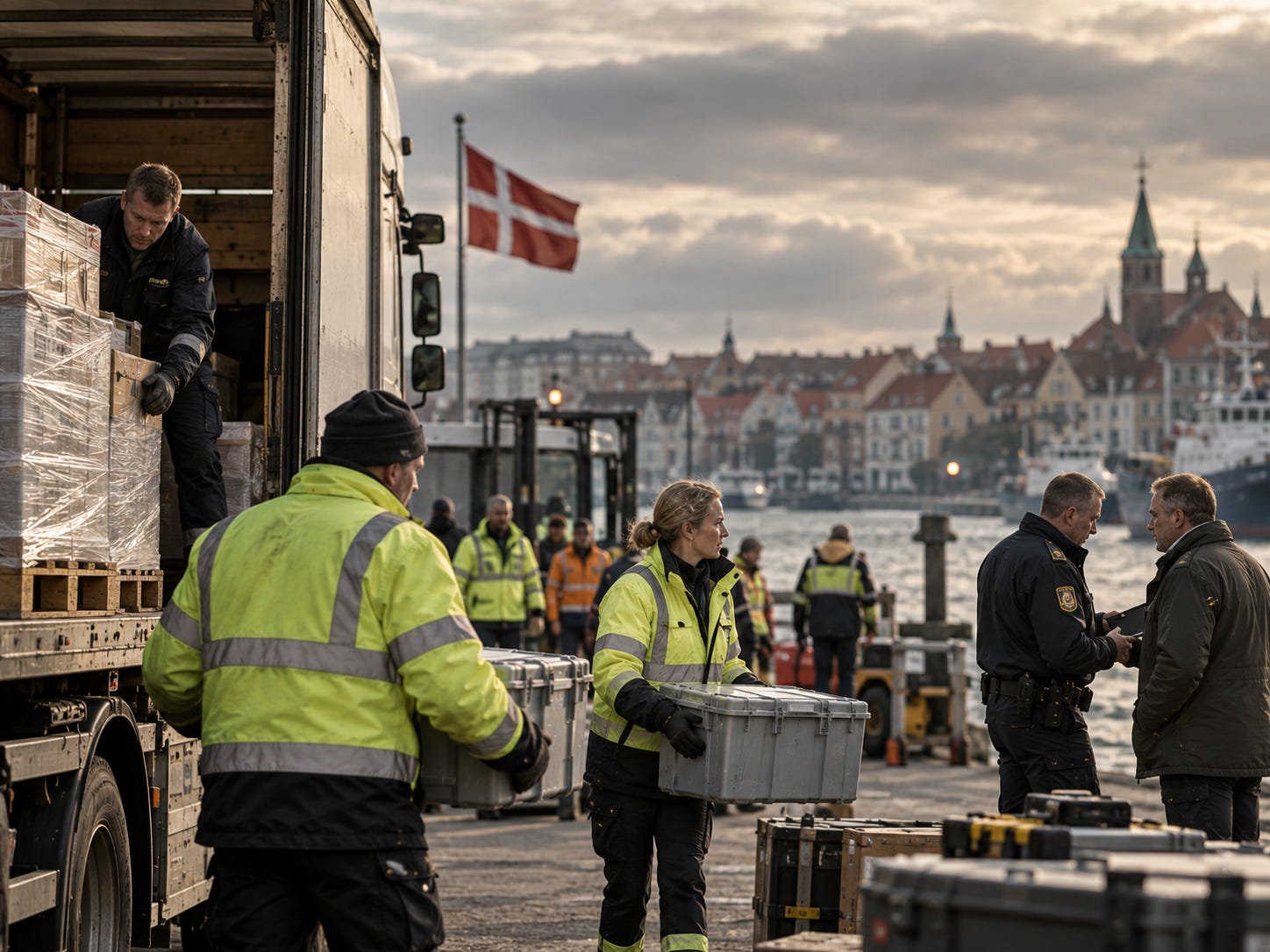
More than four in five Danish companies would help their communities in a serious emergency, according to a survey by Dansk Industri (DI), Denmark’s largest business and employers’ organization. Most, however, do not know how to take part.
DI released the findings on October 28, 2026. The survey covered 7,749 companies and was conducted between April and June. It asked about their willingness to contribute resources during local emergencies such as severe flooding, supply disruptions and sabotage.
DI reports that 81 percent were willing to join a collective emergency response, but 64 percent said they wanted to help without knowing how. Only 17 percent were both willing and knew how to contribute.
Resources Without Coordination
According to DI, the findings expose a practical weakness in Denmark’s civilian emergency preparedness. Companies may have equipment, skilled workers and logistics, but no way to make them available to the authorities.
Morten Høyer, DI’s political director, said Denmark risks wasting valuable resources because businesses and public authorities lack effective connections. He named employees, technical expertise, equipment and transport capacityas resources companies could offer when emergencies exceed the capacity of public services.
DI wants municipalities to involve local businesses more directly in emergency planning. Its proposals include joint contingency plans, coordinated exercises and agreements on how companies can assist when essential services fail.
Power, Water and Communications
Political director Høyer pointed to the immediate consequences of disruptions to electricity, digital communications, water and heating. He also named food, medicine and transportation as supply chains where interruptions can grow into serious problems over time.
DI advocates standby agreements that would let public authorities obtain commercial help quickly when such services are threatened. According to the organization, the agreements could set out responsibilities and available resources before a crisis occurs.
These are recommendations from the employers’ organization, not measures adopted by the Danish government. One existing option is the voluntary business emergency network Virksomhedsberedskabet, through which companies can contribute resources during major crises.
Bornholm Stands Out
The survey also shows clear regional differences. On Bornholm, the Danish island in the Baltic Sea, 34 percent of respondents said they were both willing and knew how to help. That is twice the national share.
The survey does not explain why Bornholm differs, or whether companies there would perform better in a real emergency.
Nationwide, 58 percent said they work to strengthen their own security and preparedness to a significant or moderate extent. Larger businesses generally reported more extensive preparedness work than smaller ones.
The survey measures stated willingness and self-assessed preparedness. It does not show how many personnel, vehicles or other resources could actually be mobilized.
DI is an employers’ organization that wants businesses to play a larger role in national preparedness, and its proposals would also create opportunities for commercial suppliers.
The organization released the findings ahead of its October 29 conference on societal security, where government and security officials are expected to take part.
Discussion about this post