Am Joining Fellow Journalists in Oslo This Weekend
This weekend in Oslo, I am exploring how colleagues, investigative reporting and artificial intelligence can help strengthen The New Backyard.

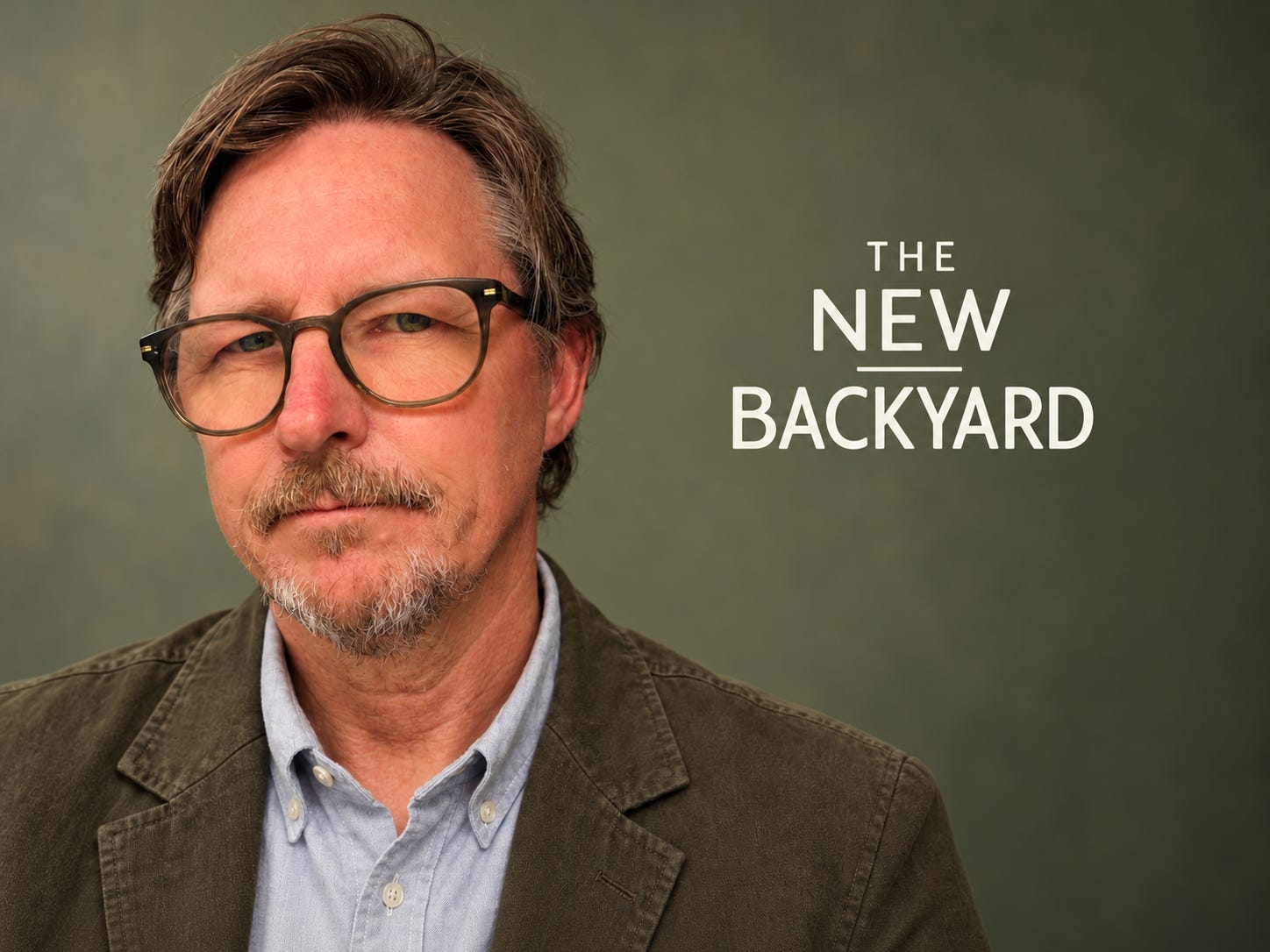
On October 23–24, I am taking part in the annual meeting of NJ Frilans, the freelance section of the Norwegian Union of Journalists, and the Frilans26 seminar in Norway’s capital. Friday’s gathering takes place at Grønland Boulebar, followed by Saturday’s program at Pressens Hus, Oslo’s press center.
For me, this is a chance to bring The New Backyard into a room full of colleagues, share what I am trying to build and learn from people working through similar questions. An independent publication needs people to exchange ideas with and challenge its methods.
Learning from the people doing the work
Friday’s program opens with a discussion of freelancers’ rights and social protection, moderated by Norwegian journalist Linn Stalsberg. War reporter Anders Hammer then discusses his work, before the annual meeting and evening dinner.
These questions belong together. Reporting takes time, and freelancers need conditions that allow them to do thorough work. That matters to a publication rooted in solidarity and concerned with how security decisions affect ordinary people.
On Saturday, Swedish investigative journalist My Vingren discusses conducting investigations as a freelancer. Aftenposten journalist Tonje Egedius addresses storytelling, while documentary filmmaker Deeyah Khan discusses her work and how she encourages sources to open up.
I want to consider how those methods could strengthen our coverage of Nordic and Baltic security. Following a defense contract means examining documents and asking who benefits. Reporting on preparedness also means listening to the people expected to keep hospitals, transport and communities functioning.
Kristina R. Johnsen’s session on live journalism offers another possibility: bringing reporting before an audience and creating space for conversation around the stories.
Putting artificial intelligence to the test
Saturday’s debate asks whether and how freelancers should use artificial intelligence, and how they can preserve their own voice. That question runs through my work with The New Backyard.
I am experimenting with AI models and digital agents to follow developments across countries, organize material and assist with language. The ambition is to understand more of the region and make the journalism accessible across language barriers.
Those experiments need scrutiny. AI can produce errors, and translation can change meaning. I want to compare experiences with colleagues and examine how we check sources, protect confidential information and keep responsibility for every published claim.
My test is practical: does a tool help me find stronger evidence, ask better questions or explain something more clearly? The value lies in the journalism readers receive.
Finding people to work with
The conversations between sessions matter too. I hope to meet colleagues with local knowledge, discuss possible reporting partnerships and establish contacts that could develop over time. For a publication covering several countries, a trusted colleague can help explain context and challenge an assumption.
Knut Olav Åmås, director of Norway’s free expression foundation Fritt Ord, will explain its application requirements following a reorganization. His session could help me assess whether a future reporting project would be suitable for an application.
I also want to hear how other freelancers make their work sustainable. Over lunch or at Friday’s dinner, I hope to exchange ideas about projects we might investigate together and learn what others have discovered through their own attempts.
Discussion about this post