A Weekend with Journalists Who Dig, Tell Stories and Challenge Power
Oslo brought new contacts, valuable reminders and powerful accounts of independent journalism—and the personal price of pursuing it.

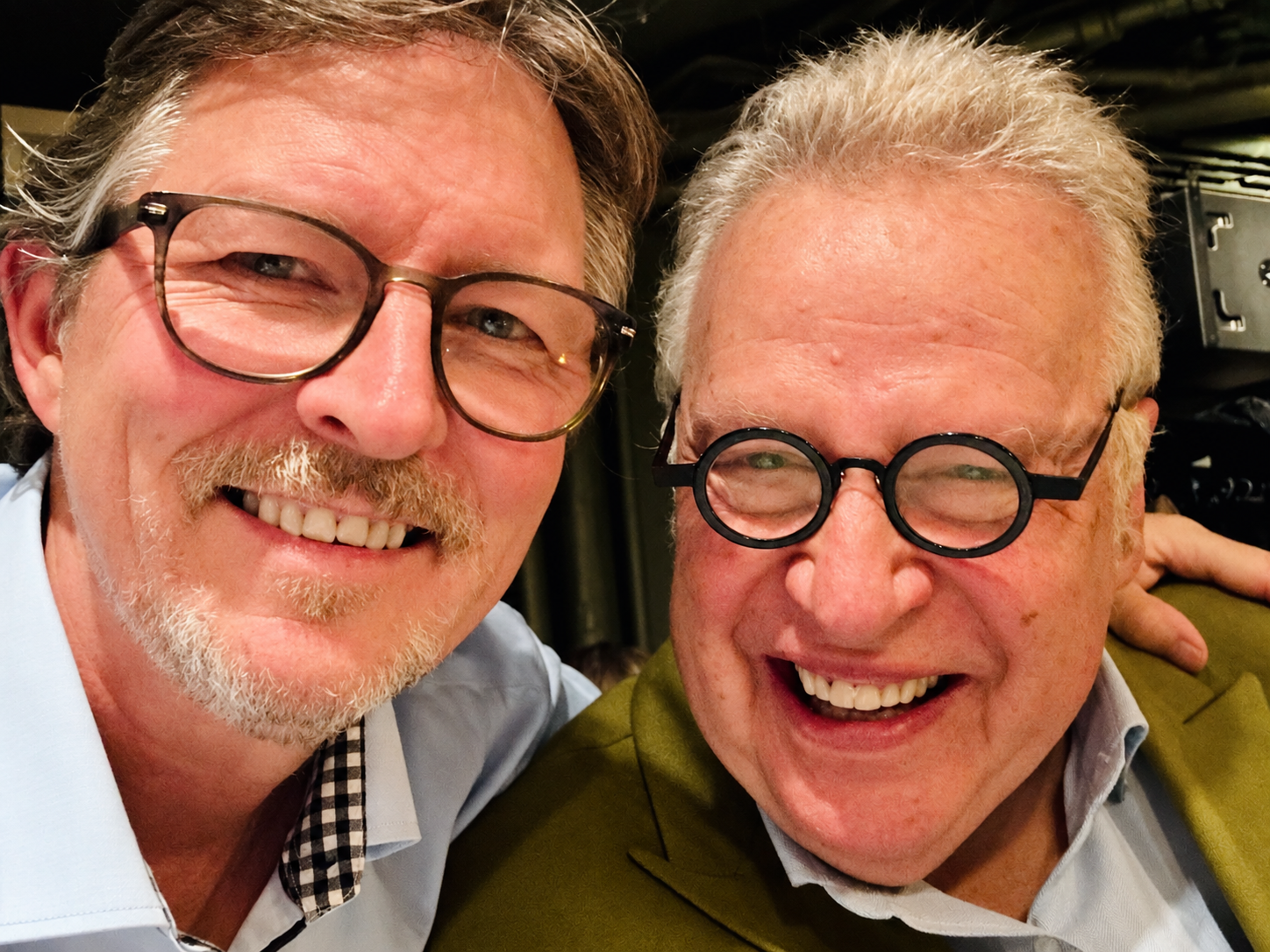
I travelled to Oslo on 23–24 October to learn, meet colleagues and build connections around The New Backyard. NJ Frilans, the freelance section of the Norwegian Union of Journalists, held its annual meeting at Grønland Boulebaron Friday. Saturday brought the Frilans26 conference at Pressens Hus.
Taking a closer look at our work
Tonje Egedius’ session was particularly useful. The Aftenposten journalist spoke about storytelling, a craft that needs attention throughout a working life.
We know what makes good writing. Then daily pressures take over: stories to investigate, articles to finish, another assignment waiting. Habits take hold, and the distance between what we know and what we practise grows.
A good professional reminder makes us stop and look again. How am I telling this story? What does the reader need to understand? Where have I made things unnecessarily complicated?
Learning also means recovering what we already know and putting it back to work.
AI reaches far beyond writing
The artificial intelligence debate offered me less. I heard little that was new and missed questions that might have moved the discussion forward.
It often felt like comparing apples and oranges. Views ranged from treating AI as the root of all evil to drawing on practical experience of using it. Different applications and concerns were bundled together.
I test the limits of what AI can do in journalism. In some areas, that experimentation has taken my experience and thinking further than the discussion on stage reached.
Much of the debate centred on writing. For me, some of the most interesting possibilities lie earlier in the process: examining large volumes of material, comparing information and finding connections worth investigating.
That is where My Vingren’s contribution struck a chord.
Her approach is close to my own. She digs, follows leads and enters environments whose members want their activities kept hidden. Her investigations into far-right and violent networks show what patient, thorough reporting can uncover.
In my own investigations, this is where AI impresses me: making extensive material manageable and helping me find leads. Those leads then need pursuing, and whatever they reveal needs documenting.
From the village to the front line
Anders Hammer reminded me why journalists must go where events unfold.
His reporting from war zones demonstrates the value of being there: seeking people out, asking questions and staying long enough to understand. The same principle applies to reporting from a village far from any battlefield.
The final session, with Deeyah Khan, affected me most.
She had to leave Norway as a teenager after harassment and threats. Abroad, she became one of the most formidable documentary filmmakers and journalists I know, getting people steeped in hatred, violence and extremism to open up.
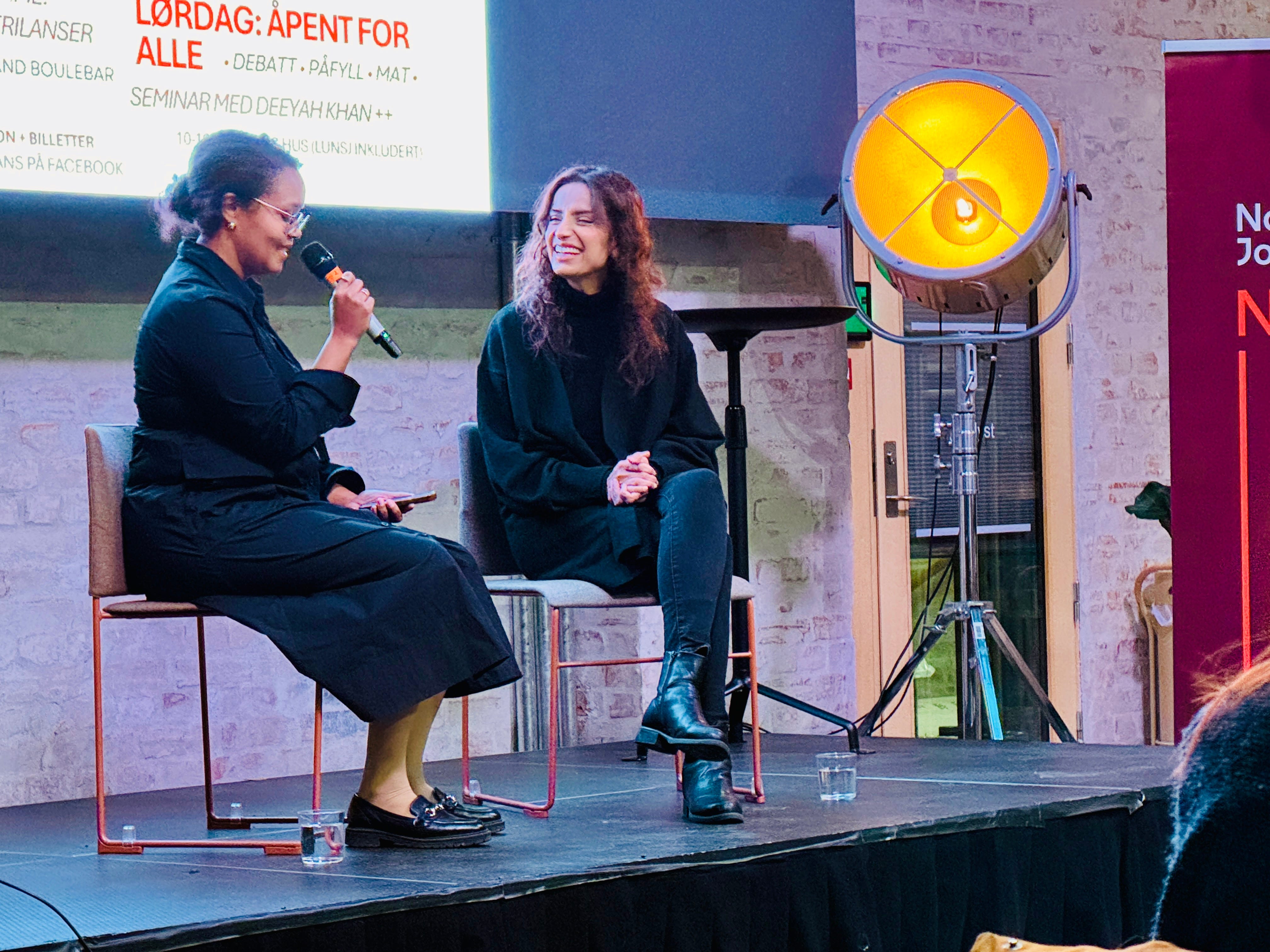
Then she had to leave the United States. She returned to Norway in 2025 and spoke about her work and the circumstances that had brought her home.
What a journey. Her experience brings home the personal cost of challenging people, getting close and telling stories others would rather keep unheard.
Freelancers still have bills to pay
Between sessions, I spoke with Norwegian and international colleagues, presented my work, exchanged experiences and made new contacts. These conversations were an important part of why I went.
We also discussed freelancers’ working conditions. I see them getting tougher while the need for independent journalists may be greater than it has been for years.
Democracy and peace are at stake. Inequality is growing. We need journalists who follow the money, scrutinise power and explain what decisions mean in ordinary people’s lives.
That takes time: days spent pursuing a lead, travelling to meet a source, asking again when answers fail to arrive. The people doing that work must also pay the rent and put food on the table.
Freelancer of the Year goes to Linn Stalsberg
At Friday’s award ceremony at Grønland Boulebar, I met Erling Borgen, one of my journalistic heroes. He was there as jury chair and award presenter.
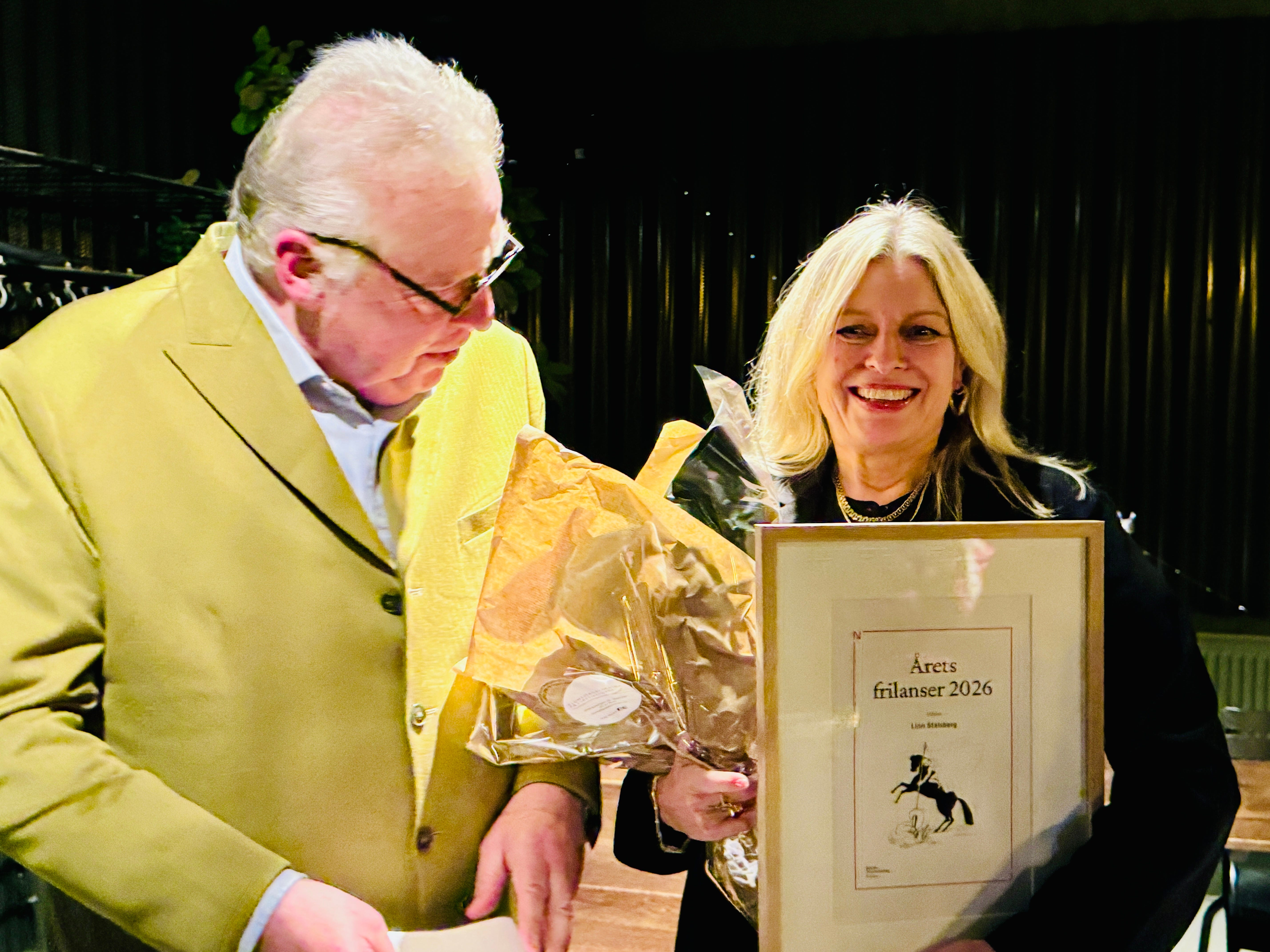
Borgen worked at NRK from 1979 to 1999, including as a correspondent in Latin America and Asia, before continuing as an independent documentary filmmaker. Human rights, power and abuses have remained central to his work. Meeting him was a personal highlight.
The 2026 Freelancer of the Year award went to journalist and author Linn Stalsberg for her reporting on war, rearmament and peace.
The jury recognised her thorough examination of difficult subjects and powerful economic and political interests, working alone without a newsroom behind her.
“She is courageous and thorough and represents critical journalism at its best,” the jury said.
Discussion about this post